
Millions of soccer fans express excitement or disappointment as World Cup matches occur across North America. Meanwhile, health officials remain vigilant for potential disease outbreaks. The primary concern is a heat wave, but large gatherings can facilitate the spread of infections. Experts are keenly observing wastewater, hospital visits, and social media for early outbreak warnings.
Measles, an extremely contagious disease, has drawn attention from the Pan American Health Organization (PAHO). There is significant concern due to the nearly six-week period of crowded stadiums, bars, and tourist spots in 16 cities. Officials remain vigilant not only for measles but also for infections such as norovirus and mosquito-borne dengue fever.
“This is truly a marathon,” stated Palak Raval-Nelson, Philadelphia’s health commissioner.
The gatherings occur at a challenging time for U.S. health agencies with limited budgets. The Centers for Disease Control and Prevention (CDC) struggles due to recent staffing reductions and ongoing issues like Ebola in Africa and a hantavirus outbreak on a cruise ship. Although the CDC has advised local health departments, its World Cup disease surveillance dashboard is still incomplete, according to the Department of Health and Human Services.
Rebecca Katz from Georgetown University heads a new hub designed to support health operations. At the Health Security Operations Center, a collaboration between Georgetown and MedStar Health, data analysis helps alert authorities and emergency rooms nationwide to potential threats. Daily reports about disease trends in host cities and team base camps are provided to numerous public health organizations and officials.
Dr. Shane Kappler of MedStar advised caution, saying, “It’s important that we don’t become alarmist. We’re trying to be the insurance policy.”
Focus on Measles
Measles is a significant threat at the World Cup. The CDC reports over 2,000 U.S. measles cases this year, nearly matching last year’s total. Measles spreads before symptoms appear, complicating control efforts. Historically, U.S. measles cases mostly resulted from international travel, but increased outbreaks now risk international spread post-games.
Measles is also rising in Canada and Mexico, with over 11,000 cases in Mexico alone. PAHO urges fans to ensure vaccination, warning that a single case could infect 18 unvaccinated individuals.
Concerns Beyond Ebola
Many question the Ebola threat during the World Cup. Dr. Craig Spencer from Brown University, an Ebola survivor, clarifies that the risk is minimal. Instead, he worries about less frightening yet potentially dangerous infections. Ebola transmission requires contact with symptomatic individuals, unlike airborne viruses like measles.
Jennifer Nuzzo, director of Brown’s Pandemic Center, highlights that Ebola is most contagious when symptoms are severe, unlike COVID that spreads from asymptomatic individuals.
Monitoring Disease Patterns
Major sporting events have historically seen germ spread. The 2010 Vancouver Olympics had a measles outbreak, while the Olympics in Milan this year and South Korea in 2018 dealt with norovirus.
Sophisticated wastewater testing can detect genetic material from infections days before symptoms appear. Current surveillance reports have identified rotavirus, hepatitis A, and norovirus in U.S. areas, suggesting increased vigilance as crowds gather.
In Dallas, expanded wastewater testing includes airports to monitor a variety of potential pathogens. Health officials also enhance mosquito testing beyond routine West Nile virus, searching for dengue and chikungunya.
Philadelphia’s Raval-Nelson emphasizes the extensive preparation, including emergency drills and communication with nationwide counterparts. “We have the frameworks in place to carry out what we need to,” she stated.
The Associated Press Health and Science Department receives support from the Howard Hughes Medical Institute’s Department of Science Education and the Robert Wood Johnson Foundation. The AP is solely responsible for all content.
 Lawsuit Filed Over Preeclampsia Death in Texas Amid Abortion Ban Controversy
  Illinois American Water Faces Opposition Over Proposed Rate Increase
  Porsha Williams Opens Up About Emergency Surgery and Health Challenges
  Discussing Weight-Loss Medication with Children: A Parent’s Approach
  Conjoined Twins Separated in Complex Surgery
 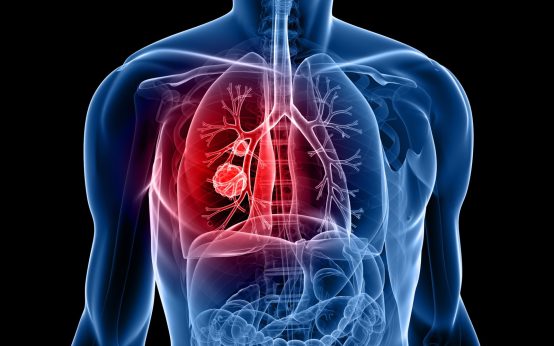 Genetic Mutation Linked to Elevated Lung Cancer Risk