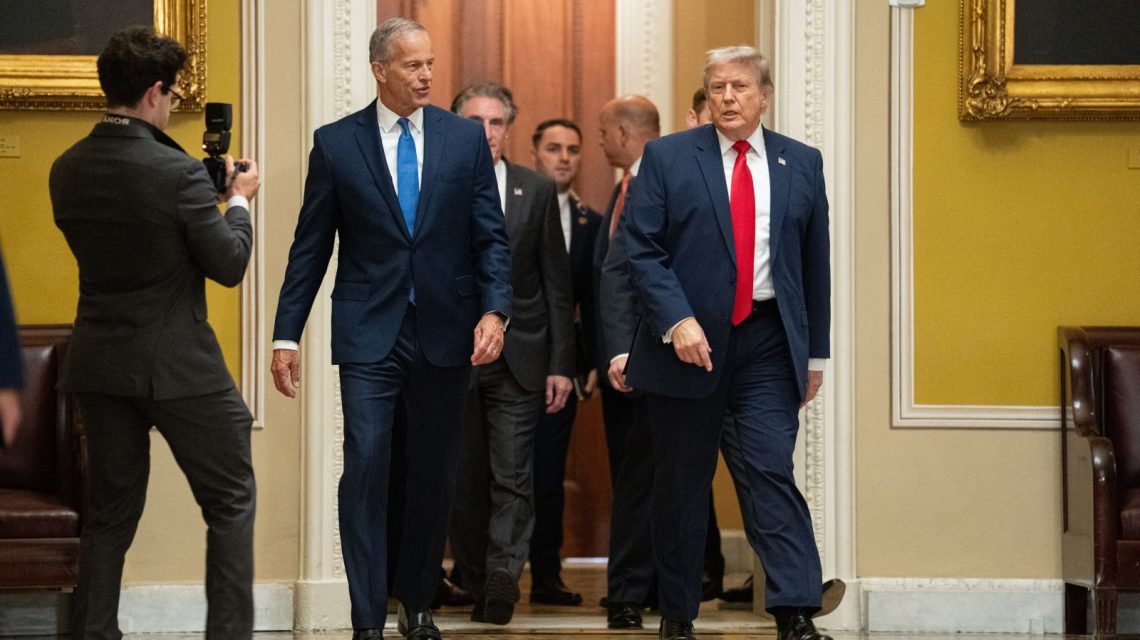
Senator Tommy Tuberville expressed a positive outlook on the SAVE America Act following a contentious lunch involving Republican senators and President Donald Trump. Held at the U.S. Capitol, the meeting saw Trump criticize Republicans for a recent vote aimed at blocking the war in Iran. Louisiana Senator Bill Cassidy, one of those who voted against the president, defended his stance.
The lunch coincided with Trump’s refusal to sign a bipartisan housing bill unless Congress passed the SAVE Act, which introduces citizenship requirements for voter registration. Tuberville, an Alabama Republican, told Newsweek that he felt more confident about the bill’s prospects after the meeting. Trump, post-lunch, acknowledged the event went well despite having issues with “a few people.” Senator John Hoeven of North Dakota stated the meeting centered heavily on Iran and the importance of unity in achieving their objectives there.
Mounting GOP Divisions
Reports highlighted a heated exchange between Cassidy and Trump during the lunch, primarily over Cassidy’s Tuesday vote in favor of the Iran War Powers Resolution. “[Cassidy] stated, ‘You have not told the American people what’s going on,’ explaining the vote was intended to press for more information about the prolonged conflict. The lunch underscored broader strains between Trump and congressional Republicans, not only over Iran but also due to Trump’s pressure to pass his voting legislation.
Before the meeting, Trump escalated tactics by halting a bipartisan housing bill’s signing, linking its progress to the SAVE America Act’s approval. This strategy frustrated Republicans looking to address cost-of-living issues for the midterms and highlighted Trump’s willingness to leverage unrelated legislation for political goals.
Trump’s Focus on SAVE America Act
The SAVE America Act, a key agenda item for Trump, requires proof of citizenship for voter registration in federal elections and imposes new ID requirements. Supporters argue it strengthens election security, while opponents say it complicates voting for eligible citizens without necessary documents. Trump’s advocacy for this measure has been robust, depicting it as crucial for election integrity.
The bill passed in the House but stalled in the Senate, facing Democratic opposition and Republican strategy divides. Tuberville strongly backs the Act, favoring stricter immigration laws. Hoeven’s support appears cautious, balancing optimism with practical considerations.
Legal Challenges and Party Unity Tests
Trump’s push for stringent voting regulations faces legal challenges, complicating Republican efforts on Capitol Hill. A federal court invalidated key elements of Trump’s executive order mandating citizenship proof for voting, citing no constitutional authority for such unilateral actions. Previous judgments have similarly emphasized the limits of presidential powers in federal election procedures.
These legal obstacles redirect Trump’s election policy efforts to Congress, intensifying pressure on Republicans to achieve legislative success where courts have intervened. The combined disputes over Iran and the SAVE America Act test Trump’s ability to unify the party across domestic and foreign policy realms. Republicans find themselves balancing Trump’s agenda with a need to assert legislative independence on matters of military policy and electoral priorities.
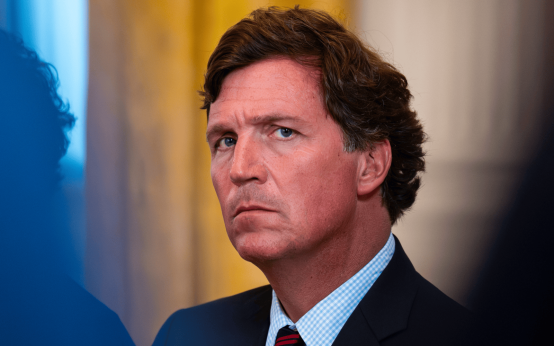 Tucker Carlson’s Remarks on Britain and WWII Spark Backlash
  President Trump Advances New White House Ballroom Construction
 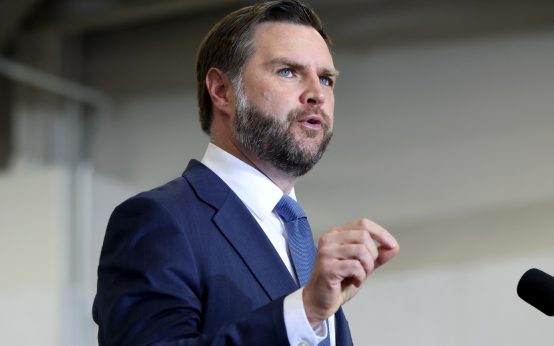 The Role of JD Vance in Engaging the Working Class
 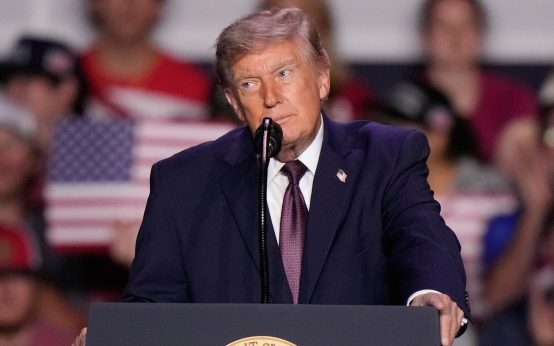 Trump’s Capital Punishment Expansion While Criticism Grows
  White House Announces Medicare Fund for One-Time Payments
  Supreme Court Permits Trump Administration’s Third-Country Deportation Strategy