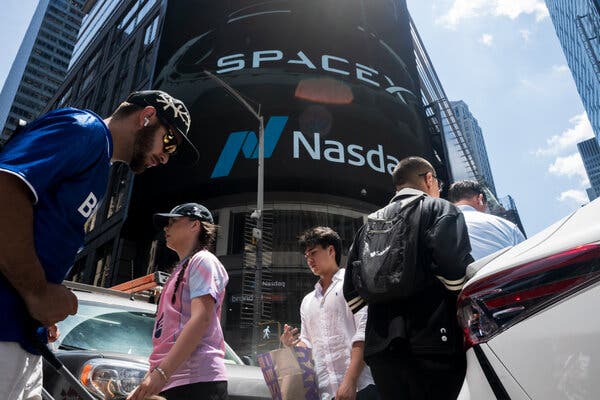
This year marks a significant surge in global deal-making, with expenditures reaching the highest levels in a decade for a six-month period. Questions remain about the sustainability of this trend.
The dynamic activity predominantly favors large corporations. In the first half of the year, 44 deals exceeding $10 billion were announced. These significant transactions have driven up the total value of deals despite a slight 1% decrease in the number of transactions compared to the previous year. Companies with less financial strength, or those exposed to geopolitical risks, have opted to stay out of the fray.
An optimistic stock market, substantial investments in artificial intelligence, and a regulatory environment conducive to mergers and acquisitions have propelled this boom. According to data from Dealogic, about $3.2 trillion in deals were completed by the end of June, marking a 45% increase from the previous year.
Large corporations are disregarding challenges from tariffs and regional conflicts, such as the war in the Middle East. These firms pursue takeovers that are now more likely to gain regulatory approval under the current U.S. administration. Matt McClure, global co-head of investment banking at Goldman Sachs, notes that companies sense an opportunity that they must seize to implement strategic transformations.
Financial experts believe this period differs from past booms. Unlike the record-low interest rate environment during the Covid-19 pandemic, the leveraged buyouts in 2007, or the 1990s dot-com bubble, the current landscape presents unique factors fueling the surge.
 Consider a 2-Year CD for Secure Savings in an Uncertain Economy
  Impact of Federal Reserve Rate Decisions on Gold and Silver
  Maximizing Your Earnings with a 3-Year CD
  Fed’s Decision on Interest Rates Amid Inflation Warnings
  Maximizing Savings: Exploring 6-Month CD Options
  U.S. Job Growth Surpasses Expectations Amid Challenges