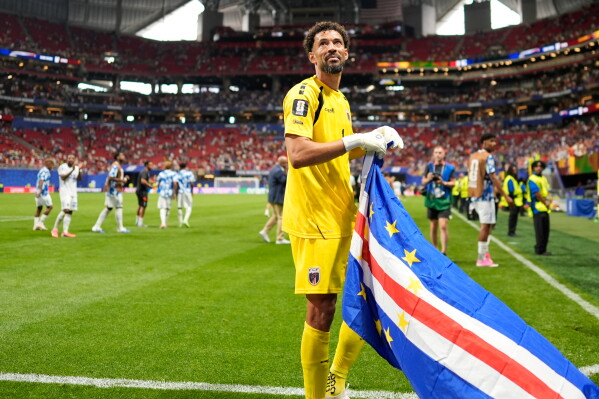
Curaçao fans in Atlanta celebrated when Livano Comenencia scored against Germany, marking a significant moment in World Cup history. As the smallest nation to qualify by population, Curaçao was briefly level at 1-1 in Houston against the four-time champions. However, their momentum stalled after a hydration break, leading to a 7-1 loss.
FIFA introduced these hydration breaks during the current World Cup to help players counter the summer heat in North America. Intended for player welfare, they have sparked concerns about disrupting the game’s flow and allowing coaches to influence momentum strategically.
Former England striker Alan Shearer commented on a podcast, noting the breaks disrupted Curaçao’s pace, contributing to their defeat. Critics, including former Ireland international Roy Keane, argue that these pauses feel akin to American sports timeouts, affecting the game’s natural rhythm.
Coaches Take Advantage of Breaks
Coaches utilize breaks not only to rehydrate players but also to give tactical instructions. For instance, Netherlands coach Ronald Koeman expressed that these moments allow guidance on improvements and strategies. Early World Cup games showed a pattern where teams frequently scored soon after these breaks, including Canada, the U.S., Australia, and others.
Though hydration breaks aim for player safety amid high temperatures exceeding 90°F in U.S. venues, they also change how fans experience matches. During a game in Foxborough, Massachusetts, there were crowd boos when play paused for a break.
Uniform Implementation Raises Questions
FIFA mandates these breaks happen 22 minutes into each half regardless of the weather or location. This rule led to interruptions even in climate-controlled stadiums, like during the Spain vs. Cape Verde match in Atlanta.
While some, like Spain coach Luis de la Fuente, see value in extreme conditions, they question their necessity when temperatures are moderate. Norway coach Staale Solbakken agreed, considering them unnecessary in cooler environments.
Broadcasters and Commercial Breaks
Hydration breaks also influence broadcasting. In the U.S., networks like Fox use them for commercial slots, contrasting with soccer’s usual lack of such interruptions outside halftime.
Dutch captain Virgil van Dijk expressed his dislike for frequent commercials, acknowledging that they detract from the viewing experience for fans watching at home. Meanwhile, France coach Didier Deschamps noted that these breaks essentially divide the game into four quarters rather than two halves, reflecting a shift in soccer’s format.
There is uncertainty about whether FIFA will include hydration breaks in future world tournaments. However, the English Football Association indicated they’re unlikely for the European Championship in 2028.
Coverage of the World Cup is available through the AP network.
 Steve Lotysz: From Gates to Galleries
 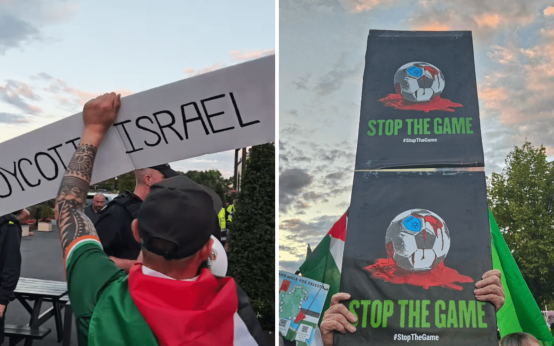 Ireland Faces Calls to Boycott Matches Against Israel
 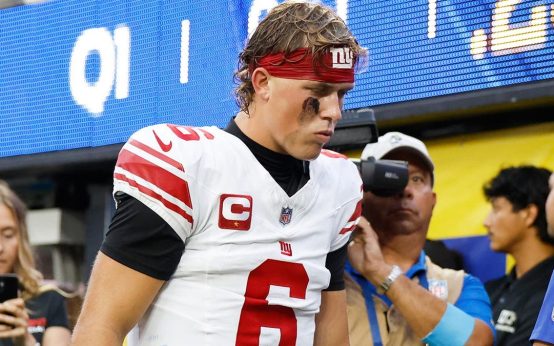 Jaxson Dart’s Knee Injury Could End Giants Season
 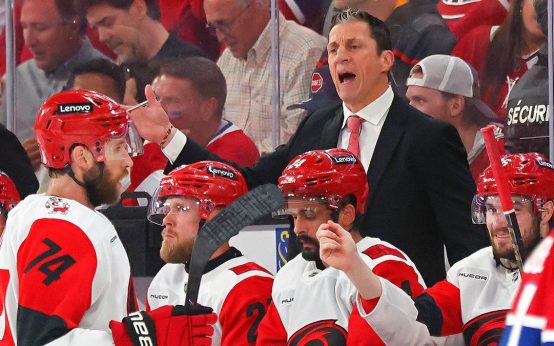 Rod Brind’Amour Suggests Ending NHL Preseason
  Impact of the World Baseball Classic on Paul Skenes’ Performance
  Social Media Influencer Faces Serious Charges