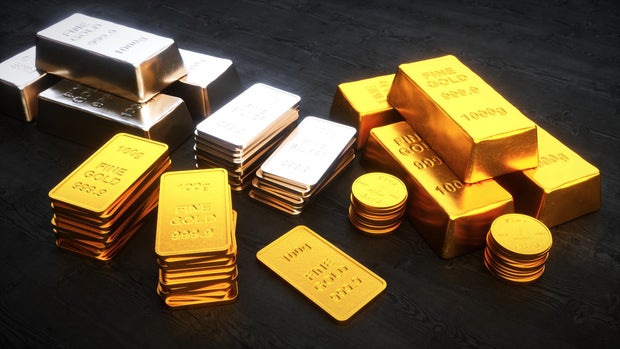
Gold and silver have experienced significant price fluctuations in 2026, driven by various economic forces. Earlier this year, gold exceeded $5,500 per ounce, but it has since decreased to approximately $4,275 per ounce by mid-September. Silver has also seen notable price changes. Investors in these metals face uncertainties due to changing expectations about inflation, interest rates, and the economy. The upcoming Federal Reserve meeting on September 15 and 16 will be crucial, as persistent inflation may prompt a rate hike. Federal rate decisions influence where investors allocate funds, potentially affecting gold and silver prices.
Potential Effects of a Fed Rate Hike
A rate increase from the Fed could exert short-term pressure on gold and silver prices. Higher interest rates generally make interest-bearing investments like bonds and savings accounts more appealing. As gold and silver do not yield interest, they may become less attractive to some investors. Additionally, a stronger U.S. dollar might result from a rate hike, making precious metals more expensive for buyers using other currencies and possibly diminishing demand.
Nevertheless, a Fed rate hike does not definitively predict a decline in gold and silver prices. Investors often adjust their positions before such decisions, which could mean some impacts are already reflected in current prices. If the Fed raises rates, the reaction of the markets may depend on further guidance from policymakers about future rate increases.
Factors beyond Fed decisions could maintain high gold prices. Persistent inflation or heightened geopolitical tensions might drive investors to continue purchasing gold as a hedge against uncertainty. Central banks and large buyers might also support demand.
Silver’s reaction could differ due to its use in manufacturing and technology sectors, such as solar panels and electronics. Economic performance and industrial demand play a role in silver pricing. Elevated rates that dampen economic activity might further pressure silver prices.
What to Monitor After the Fed Meeting
The Fed’s rate decision is significant, but investors should focus on outcomes beyond the immediate announcement. The Fed’s stance on future rate increases will be vital. If further hikes seem likely, bond yields and the dollar remaining elevated could pose challenges for precious metals. Inflation also plays a part. A rise in the Consumer Price Index could signal tightening, while cooling inflation might lower future rate hike expectations, alleviating some pressure on gold and silver.
Investors must consider their reasons for holding these metals. A long-term approach may involve using gold or silver as portfolio diversifiers, providing stability against issues like inflation or geopolitical risk. Therefore, immediate market reactions to Fed decisions could be less impactful for long-term holders.
The Fed’s choices are part of a larger tapestry affecting precious metals. Fluctuations in the dollar, bond yields, geopolitical risks, central bank purchases, and industrial demand all contribute to guiding prices in various directions. A single rate hike might not establish a long-term trend.
Conclusion
A September Fed rate hike could apply short-term pressure on gold and silver due to higher bond yields and a stronger dollar. However, other factors, like sustained inflation and geopolitical uncertainties, may support these metals despite rising rates. Rather than speculating on immediate reactions, aligning precious metals with your broader portfolio goals and investment horizon may be wiser. While the Fed’s rate decision might cause price volatility, signals about future policies and broader economic conditions will likely have lasting significance.
 Consider a 2-Year CD for Secure Savings in an Uncertain Economy
  Maximizing Your Earnings with a 3-Year CD
 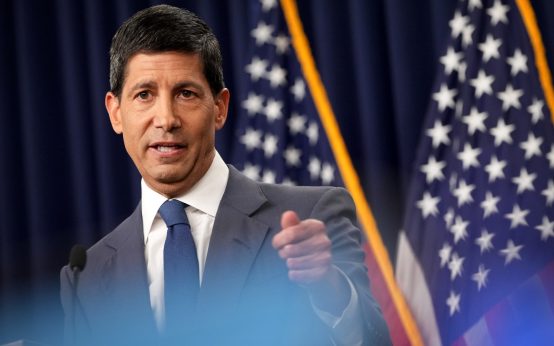 Fed’s Decision on Interest Rates Amid Inflation Warnings
  Maximizing Savings: Exploring 6-Month CD Options
  U.S. Job Growth Surpasses Expectations Amid Challenges
  Maximize Your Savings with a 6-Month CD Account