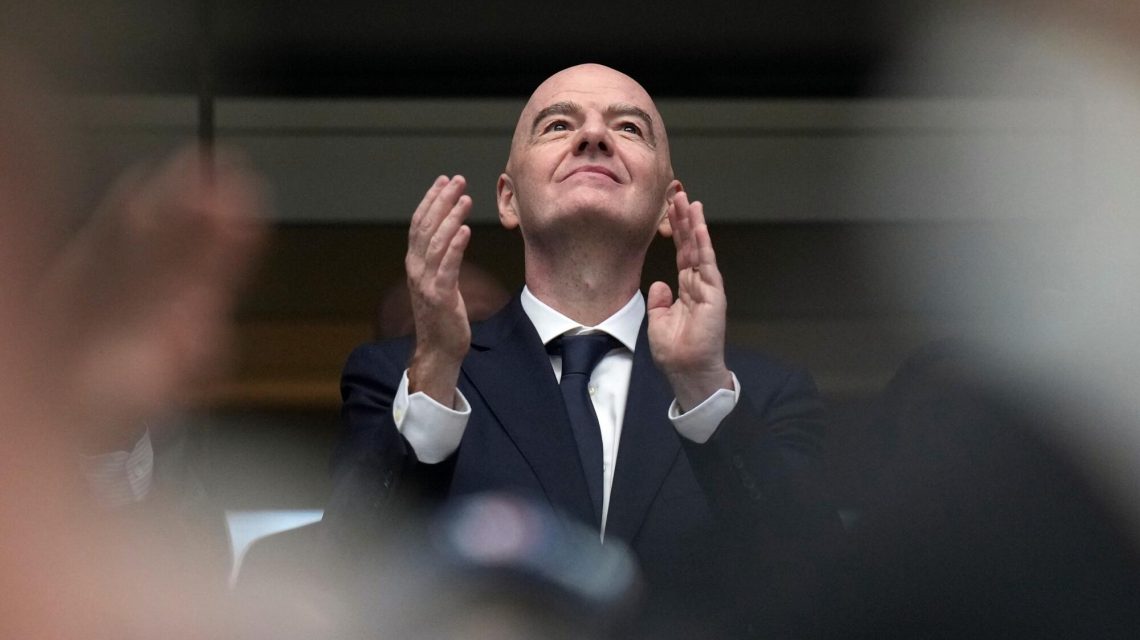
As the World Cup approached its conclusion in the summer, The Guardian noted a surge in support for Gianni Infantino, the president of FIFA. More than 200 out of FIFA’s 211 member associations publicly endorsed his bid for a fourth term, making the upcoming vote appear more like an affirmation than an election.
In a remarkable reversal, Infantino’s support crumbled within two weeks. British Prime Minister Andy Burnham and Javier Tebas, head of Spain’s soccer association, demanded his resignation. Key allies such as Carlos Cordeiro, former U.S. Soccer president, and Kevin Lamour, FIFA’s COO, distanced themselves from him.
Controversial Financial Plans
Infantino faced criticism for a secret plan to generate $4.2 billion by selling a 20% interest in the World Cup to private investors. This would allow investors to influence future events, including broadcasting and commercial deals.
Once the media exposed his plan, Infantino had to abandon this initiative. This left him vulnerable after initially enjoying widespread support.
His proposal, named the FIFA Forward Enterprise, aimed to transform FIFA’s financial powerhouse into an even bigger asset. To get the necessary backing, Infantino promised significant financial incentives to supportive member nations, which ultimately backfired.
Failed Execution and Response
Infantino soon released a statement conceding the project’s divisive nature. However, his presidency hangs in the balance. Although past FIFA presidents have faced similar downfalls, Infantino’s immediate fall from grace after a successful 2026 World Cup heightens the irony.
The 2026 World Cup, which was highly successful, set records with over 6.8 million live attendees and a worldwide TV audience surpassing six billion. Despite this achievement, Infantino’s attempts to push boundaries conflicted with FIFA’s nonprofit status.
Previously, Infantino faced opposition in 2018 when he proposed introducing private equity into the World Cup. Nevertheless, he continued exploring ways to increase World Cup profitability, like monetizing hydration breaks and selling expensive VIP tickets.
Backlash and Consequences
The backlash was severe. Burnham publicly criticized Infantino’s willingness to sell stakeholders’ rights without consultation.
German Soccer Association President Bernd Neuendorf voiced his frustration over learning of Infantino’s plans through media leaks. Additionally, FIFA’s controversial partnership with Thrive Eternal, led by Joshua Kushner, provoked further backlash due to its lack of relevant experience and perceived political connections.
UEFA organized an emergency meeting to address the situation. All 55 member nations, including champions Spain, agreed to boycott FIFA competitions.
CONCACAF and the Asian Football Confederation also expressed disapproval.
Future of FIFA’s Financial Strategy
As Infantino’s plan crumbled, opinions varied on the underlying idea. Some saw value in private investment for the World Cup but condemned the execution. Former U.S. Soccer president Alan Rothenberg acknowledged similarities with private equity moves in leagues like MLS.
Carlos Cordeiro criticized the need for external funds, emphasizing FIFA’s financial strength, while others condemned Infantino’s history of opportunism and unilateral decision-making.
This failure has severe implications for Infantino’s presidency. As his grip on power weakens, the question remains if he can withstand the political fallout of his overly ambitious strategies.
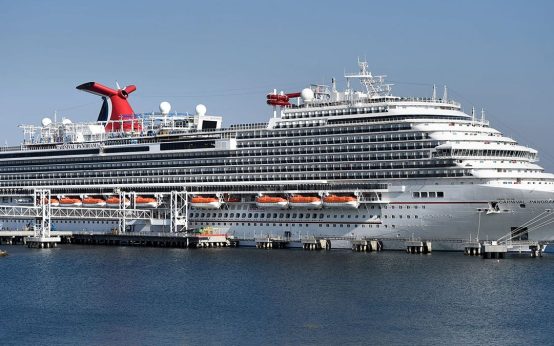 Carnival Panorama Passenger Jumped Overboard During Final Leg of Cruise
 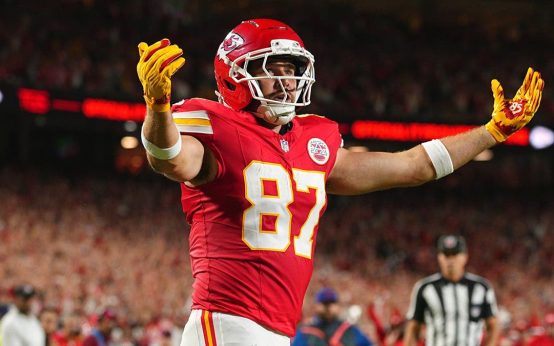 Travis Kelce Sparks Excitement at Arrowhead Stadium
 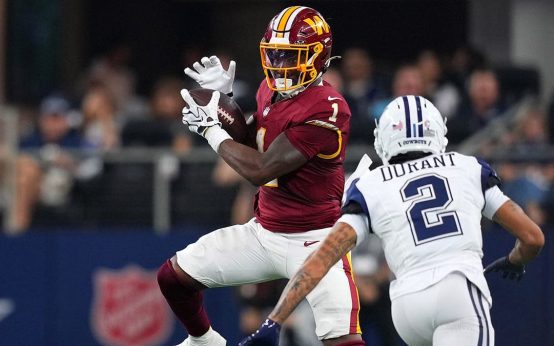 Dallas Cowboys Defeat Washington Commanders Amid Player Injury
 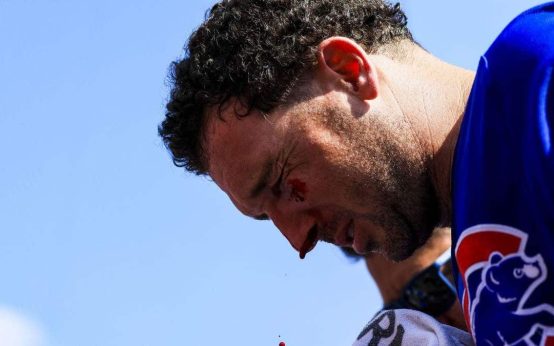 Chicago Cubs’ Alex Bregman Suffers Facial Injury from Foul Ball
 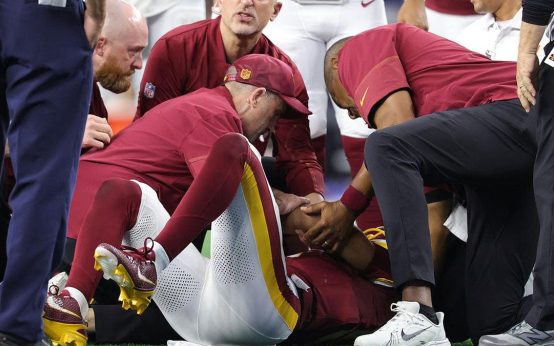 Washington Commanders Face Major Setback as QB Jayden Daniels Suffers Elbow Injury
 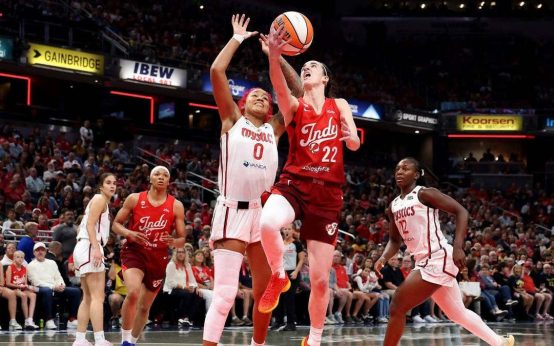 Indiana Fever’s Struggles Against Washington Mystics