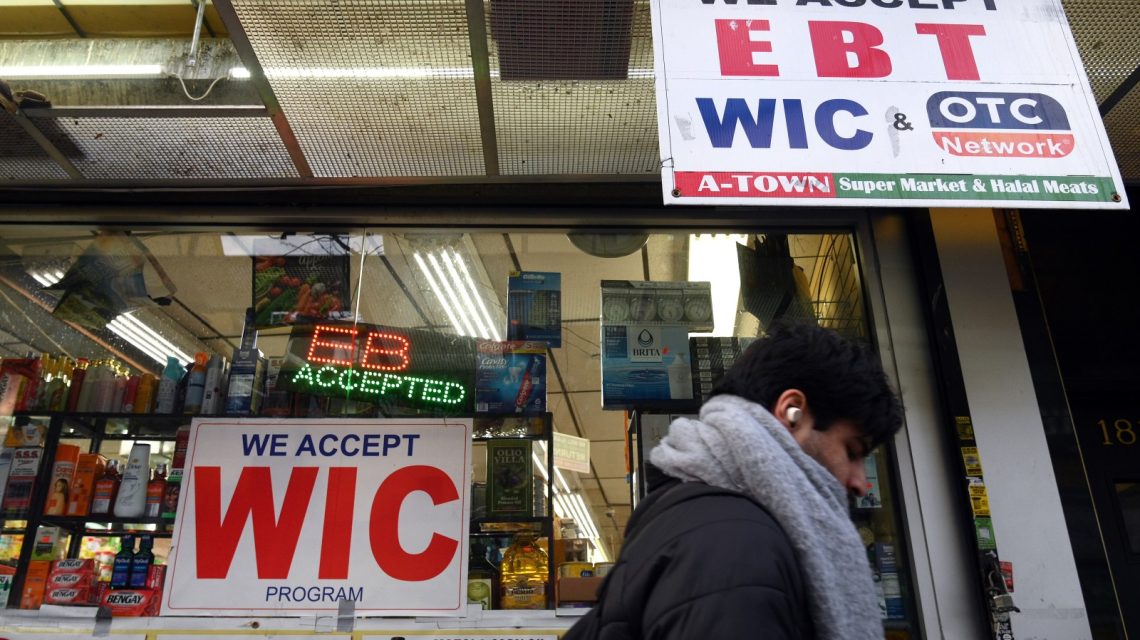
The recently introduced Fresh Bucks for Fresh Produce Act aims to help households with low-income access fresh fruits and vegetables. Democratic Representative Pramila Jayapal and other co-sponsors introduced the bill on July 2, intending to provide additional support to families already receiving Supplemental Nutrition Assistance Program (SNAP) benefits.
Why the Bill Matters
SNAP has been a contentious issue in Congress, with both political parties debating its future scope and funding. The Fresh Bucks for Fresh Produce Act seeks to address the challenges faced by many families, who struggle to afford healthier food options due to rising grocery prices and limited access in food-insecure communities. The bill proposes an extra $60 per month to assist with purchasing nutritious produce.
Details of the Fresh Bucks for Fresh Produce Act
The bill would establish a U.S. Department of Agriculture (USDA) pilot program, offering eligible households an additional $60 monthly specifically for buying qualifying fruits and vegetables. While the benefit would support SNAP recipients, households earning 80 percent or less of their area’s median income can also apply. SNAP households would automatically qualify for the income criteria, and states are encouraged to create opt-in or auto-enrollment systems to minimize paperwork.
The plan is to distribute the monthly payment through the Electronic Benefits Transfer (EBT) system, focusing on fresh, frozen, or dried fruits and vegetables without added fat, sugar, or salt, alongside herbs and certain plant starts.
Implementation and Data Collection
The proposal involves launching a pilot program through state-awarded grants. The USDA will ensure geographic diversity by selecting at least one state from each major U.S. region, with emphasis on food-insecure areas. States will collect data on food security, consumption of fruits and vegetables, and other outcomes to evaluate the program’s effectiveness in improving nutrition and access.
“Fresh produce is far more expensive than processed junk foods, so this extra money would be of great help to families in need,” remarked Drew Powers, founder of Powers Financial Group.
Programs like SNAP and WIC have demonstrated positive societal benefits, according to Powers, but the challenge remains in funding such initiatives while awaiting long-term returns.
Provisions of the Bill
The legislation states that SNAP recipients will automatically meet the income requirement for this program and encourages states to minimize additional paperwork. The recurring $60 monthly payment aims to restore some access to nutritious foods.
“I don’t think the financial impact would be significant, especially after recent SNAP cuts,” said Kevin Thompson, CEO of 9i Capital Group.
Next Steps
The Fresh Bucks for Fresh Produce Act is currently before the House Agriculture Committee. If enacted, it would initiate a five-year pilot program rather than a permanent benefit. The USDA must provide an initial report to Congress within 12 months and a final report after five years to assess the program’s performance.
“Pilot programs are easier to sell than permanent entitlement expansions,” stated Michael Ryan, finance expert.
 Durham’s HEART Program: A New Approach to Public Safety
  Missouri’s Abortion Policy: Conflicting Amendments and Voter Decisions
  North Carolina Senate Race Influenced by Abortion Policy Messaging
  Philanthropic Shift Towards Supporting Women in Midlife
  Trump Pressures Republicans on Filibuster Threat
  Rep. Golden Endorses Rep. Lawler for Re-election