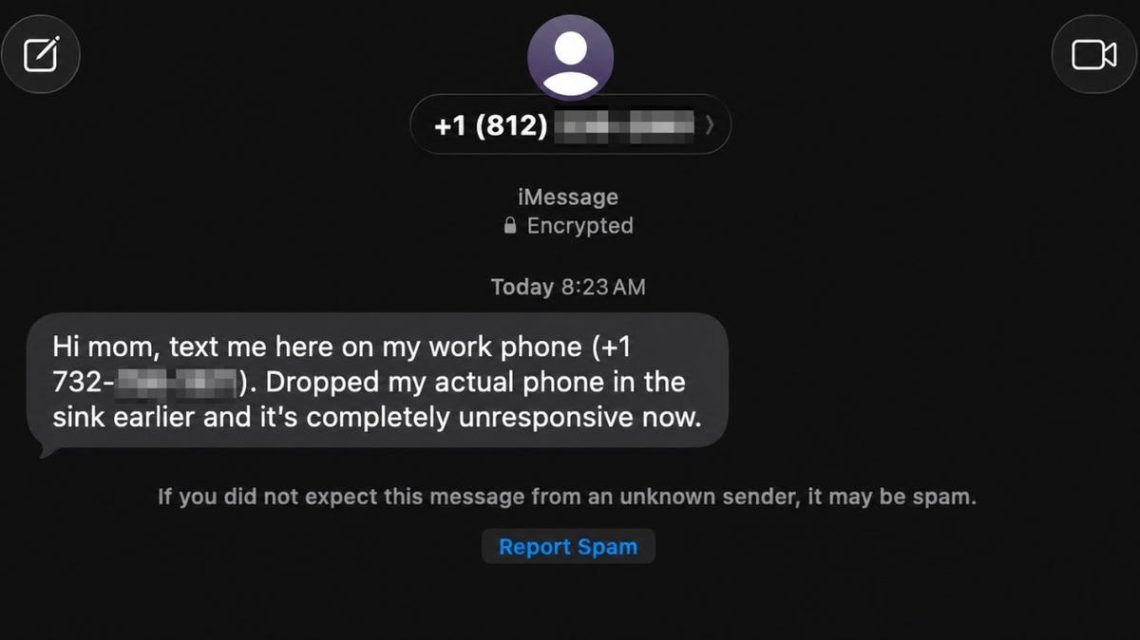
A text message scam emerged recently, causing alarm among parents. The message states: “Hi mom, text me here on my work phone. Dropped my actual phone in the sink earlier and it’s completely unresponsive now.”
This message originates from an unknown number and directs you to message a different number. This tactic is crucial for the scammer’s strategy. They want to engage you in a new conversation before you verify the sender’s identity.
Why the Hi Mom Text Scam Seems Genuine
The scam effectively convinces recipients due to its plausible storyline. The idea of a child texting from a work phone is believable. Phones frequently fall into water, making the excuse relatable. A brief message, seemingly sent in haste, enhances its credibility.
Scammers exploit parents’ instinct to act fast when it seems their child needs assistance. Their stories do not need to be perfect, just plausible enough to prompt a response.
Analyzing the Scam Message
Each element of the message is crafted to create trust:
“Hi mom” – Omitting a real name broadens their reach, yet a parent reading it perceives it as personal, generating an emotional connection.
“Text me here” – Directs the conversation to their terms, ensuring it remains within text messages. They can develop their story based on your reactions.
“On my work phone” – Addresses why the number is unknown, offering an explanation before doubt arises.
“Dropped my actual phone in the sink” – A common occurrence, serving as the relatable hook.
“Earlier” – Implies immediacy, yet lacks specific details that could be verified.
“Completely unresponsive now” – Precludes the simplest verification method: calling the child’s actual phone, enhancing the believability of texting the new number.
The Risks of Responding
Replying can open the door to escalating requests. The scam might evolve to asking for money for a new phone or other financial aids via methods like Zelle, Venmo, or gift cards. Scammers may also request one-time security codes, which could compromise accounts if shared.
Why Parents Are Targeted
Parents react when their child’s safety appears threatened. Scammers exploit this protective instinct through emotional manipulation. They avoid extensive explanation, mimicking genuine family messages, and activate urgency.
Strategies to Stay Safe
- Refrain from replying: Even incorrect replies confirm an active number, increasing scam risks.
- Verify by calling: Use existing contact details, not numbers given in the suspicious text.
- Authenticate with personal questions: Ask something only the real person would know. Avoid answers found online.
- Do not send money impulsively: Fast transfers like Venmo or gift cards can be irrevocable.
- Secure personal codes: Verification codes are critical for your security. Do not share them.
- Install antivirus software: Defend your devices from any malicious links you might inadvertently click.
- Consider a data removal service: Reducing personal information online can prevent scammers from using it against you.
- Report and block messages: iPhone users can report spam; Android users can block and report conversations.
If You’ve Already Replied
Cease communication immediately. Protect your accounts and document the conversation. Contact your family through trusted means. Change passwords if you shared verification codes and alert banks if money was sent.
Key Takeaways
The Hi Mom scam relies on familiarity and a sense of urgency without appearing demanding. Before responding, pause and verify with established contacts. Reporting and blocking can prevent financial loss and protect your family.
Do you have a similar scam experience? Share it with us at Cyberguy.com.
Kurt “CyberGuy” Knutsson is a tech journalist passionate about practical technology and useful gadgets.