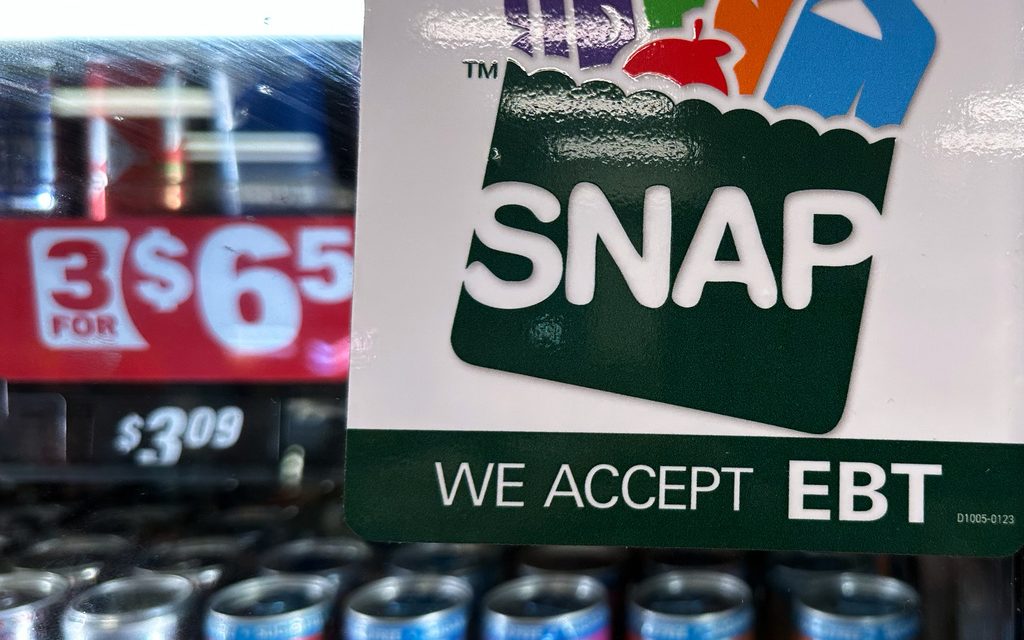
Last year, a New Mexico state official admitted to not addressing widespread issues in the food stamp program, highlighting a problem in the system. Niki Kozlowski, who leads the Income Support Division at New Mexico’s Health Care Authority, pointed out a loophole that states utilize to bypass significant welfare reforms introduced by President Trump. These changes, encapsulated in the One Big Beautiful Bill Act, aimed to increase state accountability for food stamp mismanagement.
The reform mandates that starting October 2028, states with substantial misspending in food stamp benefits will need to cover up to 15% of the benefit costs. This requires states to focus on minimizing waste, fraud, and abuse. However, there exists a loophole: if states’ misspending exceeds 13.34%, they can avoid immediate financial repercussions.
This particular provision was inserted primarily due to Alaska’s 60.4% error rate in 2023, facilitated by Senator Lisa Murkowski. While shielding Alaska, it inadvertently incentivized other states to either maintain or worsen their error rates, delaying necessary reforms.
New Mexico itself saw an increase in its error rate from 14.6% in fiscal 2024 to 16.8% in fiscal 2025. Rather than tackling the root problems, the state appears to prioritize avoiding accountability over resolving misspending issues.
The problem is not exclusive to New Mexico. Prior to the reform, regions like Alaska, Georgia, Oregon, and Washington, D.C. had similar error rates and little to no improvement. Some states, including Delaware and Illinois, even experienced an increase in misspending. Conversely, New Jersey, by contrast, managed to significantly reduce its error rate from 14.3% to 6.8%, showing that progress is feasible.
Other states, such as New York, Maryland, Massachusetts, and Florida, brought their rates below the critical loophole level, but remain in danger of backsliding. Maryland and New York each nearly hover around the loophole threshold at about 13.08% and 13.18%, respectively.
Despite these challenges, many states seek to delay or weaken the financial penalties intended to enforce reform. The Senate’s recent draft farm bill proposes a one-year delay on penalties due to Democratic demands.
Republicans oppose this delay, arguing the loophole should be closed, and states should be pushed to implement genuine reforms. Persistent mismanagement over the years needs direct accountability, especially considering New Mexico’s admissions and the apparent inaction from other states.
The dialogue emphasizes the importance of holding states accountable for taxpayer money, without allowing loopholes to perpetuate inefficiency.
 Nicki Minaj Expresses Support for Trump at Michigan Rally
  Political Ads Intensify As Midterms Approach
  Catholic Bishops Criticize White House Over Meeting Photo
  Ohio Newspaper Endorses Amy Acton for Governor
  The Radar Myth: Clarifying Trump’s Comments About His Uncle
 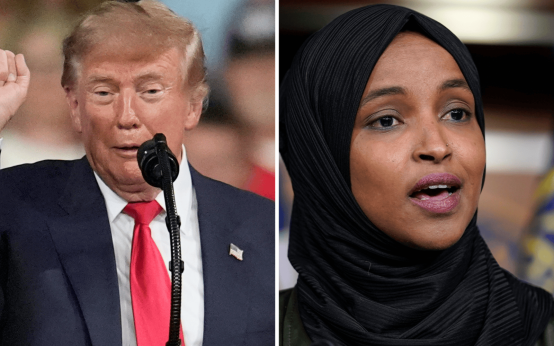 Trump Accuses Ilhan Omar of Using Fraudulent Name, Sparks Controversy