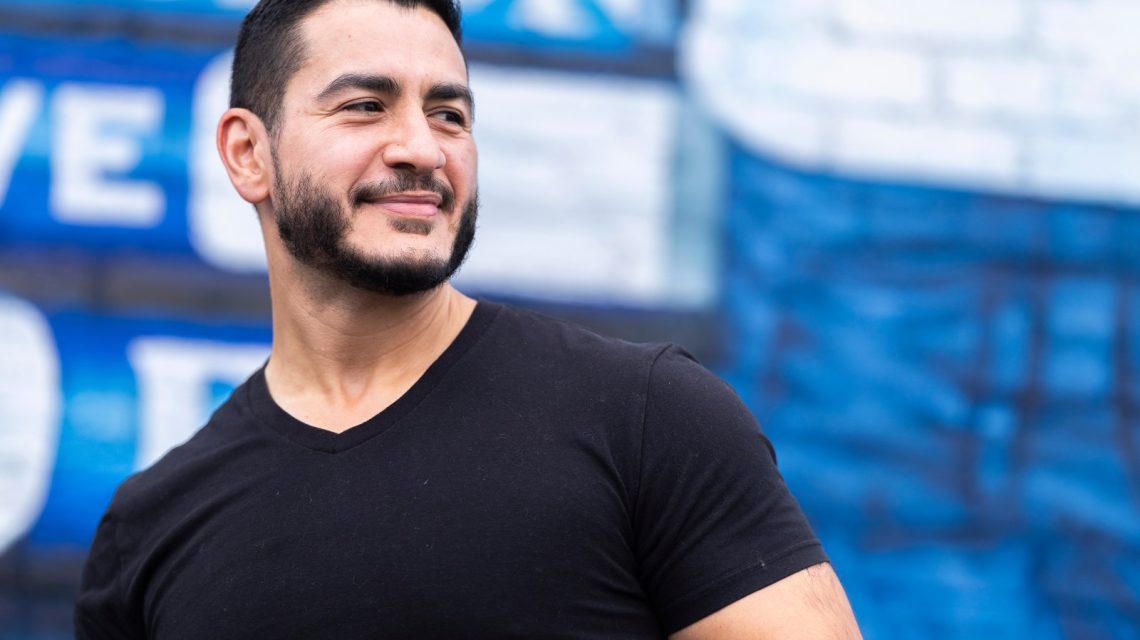
Progressive Wins Michigan Democratic Primary
The most debated and high-profile Democratic Primary of the cycle concluded with Dr. Abdul El-Sayed emerging victorious. El-Sayed secured the Democratic nomination for the Michigan Senate race in a close single-digit victory, marking a significant win for the progressive wing of the party.
El-Sayed’s Campaign Focus
Since April, El-Sayed, a former state public health official, challenged establishment Representative Haley Stevens. Their debates centered on corporate influence, relations with Israel, and government roles. Michigan has historically been a politically diverse state, voting both for Trump and Democrat Elissa Slotkin in recent elections. Conventional beliefs suggested that moderates shaped the state’s political landscape, making them hesitant to support a progressive like El-Sayed. However, El-Sayed disagrees, telling Newsweek that his focus remains on the successful issues he championed against Stevens. His platform challenges establishment norms rather than purely endorsing progressivism.
Views on the Political Landscape
El-Sayed believes today’s swing voter is not a centrist but an independent tired of the establishment. He aims to reach these voters to defeat Republican Mike Rogers on November 3. Rogers, first elected in 2001, was known for his pragmatic approach and chaired the House Intelligence Committee. He has since aligned himself with Trump, but Rogers’ strategy might require reviving the centrist image of the past Republican Party to win.
Rogers’ Perspective
In a statement to Newsweek, Rogers highlighted that Democrats have held both of Michigan’s Senate seats since 2001. He attributes the state’s job losses, poor educational rankings, and high energy rates to Democratic control. Rogers holds El-Sayed responsible for these issues and argues that energizing Trump supporters could have secured a different outcome in previous elections. Successful outreach to those voters who supported Trump but not the Republican Senate candidate could determine the outcome in 2026.
Main Issues in the Race
The race hinges on whether voters split their votes due to centrism or outsider beliefs. Rogers expects pragmatists to support him, arguing that El-Sayed leans excessively left on issues such as police funding and healthcare. He dismisses El-Sayed’s connection to Piker’s controversial remarks but believes unconventional allies are necessary in today’s political climate. El-Sayed focuses on issues such as grocery and housing costs, healthcare, education, and foreign spending.
El-Sayed’s Strategy
El-Sayed sees himself as an outsider, which he believes helped him beat Stevens. He intends to continue casting Rogers as tied to corporate interests and aligned with foreign involvements like those in Iran and Israel. Rogers counters that businesses support him for his policies, not vice versa.
Challenges Ahead
Despite nearly losing half the votes to Stevens, El-Sayed’s challenge lies in securing their support. Key Michigan political figures backed Stevens, adding uncertainty to their future support for El-Sayed. However, his campaign benefits from general disapproval of political figures like Schumer and both major parties, according to YouGov polls.
Potential Impact on Democratic Politics
El-Sayed’s campaign defies traditional party lines, appealing to outsiders. If successful in November, his victory could reshape perceptions of where electoral power resides, emphasizing outsider dynamics. El-Sayed critiques the establishment as outdated, arguing that politics need fresh perspectives in response to ongoing national trends like Trump’s political influence.
 The War on Poverty: A Lesson on Intentions and Outcomes
 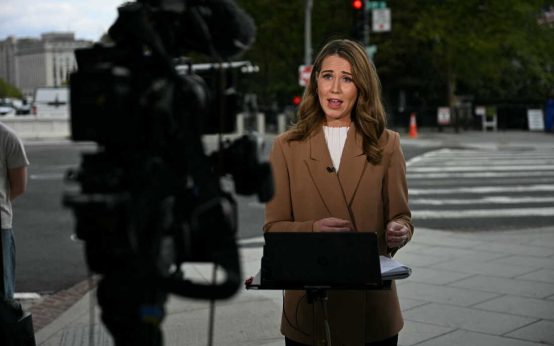 Reporters Blocked from White House by Trump Administration
  Universities Should Reject Political Influence on Research Funding
 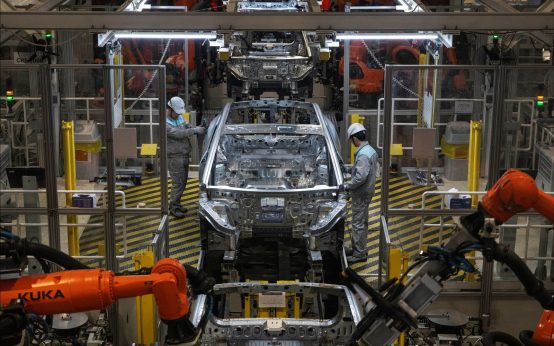 Trump’s Approach to China: Trade Dynamics and Challenges
  Media Outlets Sue After White House Ban
  American Public Opinion on Press Freedom