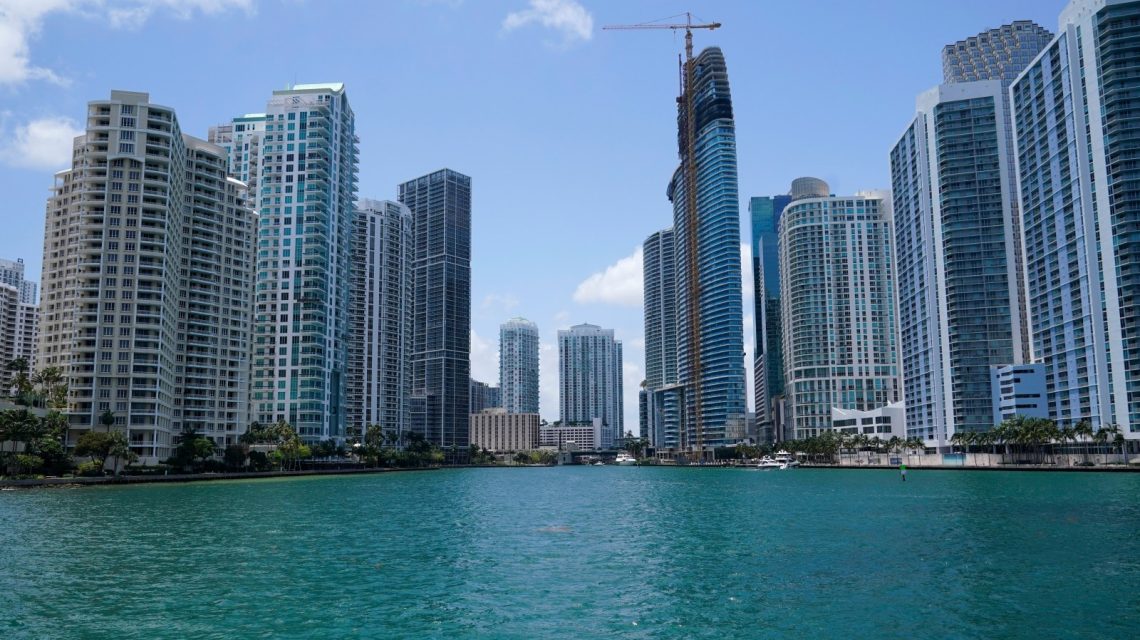
More than 2,500 condominium and cooperative buildings in Florida have been flagged for Phase Two milestone inspections in 2024 and 2025 due to indications of structural issues. This is based on a report from the Florida Legislature’s Office of Program Policy Analysis and Government Accountability (OPPAGA).
During this period, officials determined that 54 buildings were ‘unsafe or uninhabitable.’ Among these, five buildings were evacuated, as stated in the report. Florida law mandates that older buildings over three stories undergo milestone inspections. If a visual check reveals substantial deterioration, a more comprehensive Phase Two inspection follows. Engineers then assess the structure and recommend necessary repairs.
The report follows the tragedy of Champlain Towers South’s collapse in Surfside, Florida, five years ago, which claimed 98 lives and led to a revamp of building inspection laws. Data for 2024 inspections come from 71% of jurisdictions, while 2025 data come from 64%.
Inspection Details
For 2024, OPPAGA noted that 8,777 buildings needed Phase One inspections. Officials completed 6,952 of these. Most of the buildings, 8,132, were in coastal areas. Furthermore, 1,899 buildings required the more detailed Phase Two inspections, with 1,301 completed.
In 2025, 2,880 buildings were up for Phase One inspections, with 1,784 completed. There were 636 buildings for Phase Two, of which 274 received inspection. During both years, officials completed 8,736 Phase One inspections and 1,575 Phase Two inspections. In total, 2,535 buildings underwent Phase Two reviews, triggered by the identification of significant structural issues during initial checks.
Regional Focus
Many buildings requiring more detailed inspections are in densely populated coastal areas of South Florida, such as Miami-Dade, Broward, and Palm Beach counties. These areas had the highest number of Phase Two evaluations for 2024, between 218 to 543 buildings. For 2025, Miami-Dade and Broward County had between 155-308 buildings needing Phase Two inspections.
This concentration reflects South Florida’s numerous aging coastal structures and ongoing housing affordability crisis, with a high demand for affordable units. The inspections found 54 buildings ‘unsafe or uninhabitable’ over the two years, with five evacuations in 2024. Miami-Dade accounted for 23 unsafe buildings in 2025.
Response to Champlain Towers Collapse
On June 24, 2021, the Champlain Towers South condominium collapse marked one of the deadliest such failures in U.S. history. The incident initiated urgent search operations and sparked questions about the safety of aging condominiums, especially along Florida’s coast. Investigations later highlighted long-standing structural issues.
To address these concerns, Florida legislators introduced new condo-safety laws, enforcing milestone inspections and stricter repair funding mandates. A national investigation suggested the collapse began in early June 2021 at key structural points below the pool deck.
Legislation for Safe and Affordable Condos
A bipartisan effort led to new legislation aimed at easing financial burdens for condo repairs, known as the Making Condos Safer and Affordable Act. Supported by Representatives Debbie Wasserman Schultz and María Elvira Salazar, this proposal seeks to broaden financing avenues for vital safety and repair projects.
The bill suggests broadening access to HUD loan programs, including the FHA’s 203(k) loans, enabling condo owners to finance assessments for structural repairs. It also proposes extending federal loan insurance for private lenders, simplifying loan applications, and allowing FHA-backed loans to cover diverse repair and improvement activities in condominium projects.
Five years post-Surfside, the OPPAGA report highlights ongoing structural issues, with numerous buildings still deemed unsafe. These inspections are crucial as they continue to reveal significant safety challenges affecting condominium buildings throughout Florida.
 Nikole Hannah-Jones Reflects on Educational Choices for Her Daughter
  Life and Challenges at Chennai’s Kasimedu Fishing Harbour
  Chicago Bears Eye Potential Move to Indiana: A Look at the Developments
  Amazon Offers Discounts to Employees at Whole Foods
  Inside the American Airman Rescue Mission in Iran
  Trump Comments on China’s Surveillance Amid Reports of Aid to Iran