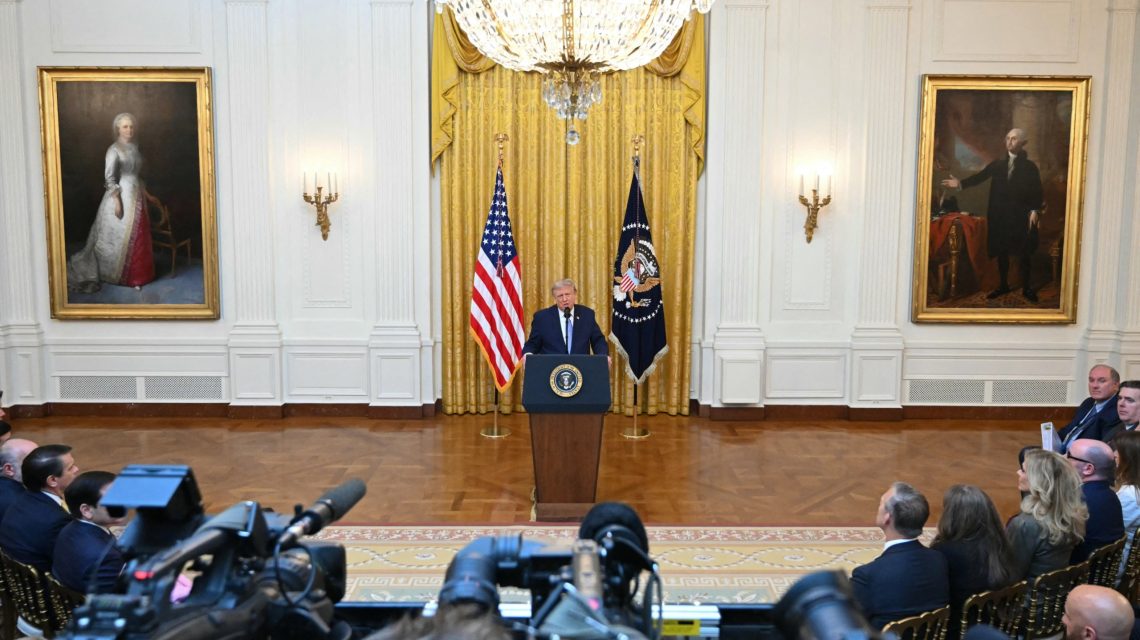
Political appointees at the Department of Homeland Security (DHS) requested a shocking task from the Cybersecurity and Infrastructure Security Agency (CISA): secretly obtain a voting machine and hack it. This request, aimed at reporting findings to the White House, alarmed CISA staff who normally defend against hacking threats.
The operation conflicted with CISA’s mission and alarmed staff who feared political interference. One former official speculated the administration might use the information to question electoral outcomes they disliked. Despite repeated refusals from CISA, political officials eventually dropped the request.
During Trump’s second term, over 1,000 CISA employees were laid off, reducing the workforce by about a third. The proposed 2027 budget aimed for further cuts, leaving election security vulnerable as midterms approached.
Given these circumstances, Democratic lawmakers called for investigations into CISA’s capacity amid concerns from state election officials who had previously relied on CISA. Ryan Macias, an election technology expert, noted CISA’s complete absence during critical election planning stages. Some state officials expressed distrust toward CISA due to the administration’s actions.
CISA had been crucial in countering election interference, offering support to state authorities and vendors. Chris Krebs, under Trump, facilitated exercises to ensure election integrity. However, when Trump returned to the White House in 2025, these roles diminished, and staff reductions halted essential functions, notably election security support.
In 2026, at a key conference, election officials expressed unease around potential federal actions affecting voting equipment. Many feared a crisis or national emergency prompted by unsubstantiated claims from Trump. Trust deteriorated further when the administration released sensitive election data.
Despite these challenges, some states have worked independently, enhancing their security with what resources they have. However, critical elements like foreign intelligence remain impossible to replicate without federal assistance.
CISA’s belated attempt to re-engage with states, announcing a new security plan, faced skepticism. Officials doubted the effectiveness and sincerity of the plan, aimed at fostering coordination long after effective preparation had occurred.
With early voting set to begin, CISA’s involvement was minimal, and states prepared alone. Concerns remain about accusations of election tampering if outcomes don’t favor Republicans. The security plan included promises of collaboration, yet its timing rendered it impractical.
Thus, state election officials, like Arizona’s Secretary of State Adrian Fontes, expressed distrust and frustration with CISA’s diminished role and the federal government’s approach under Trump’s second term, revealing ongoing tensions over election security responsibilities.
 Challenges Facing Mayor Brandon Johnson’s Re-election Bid
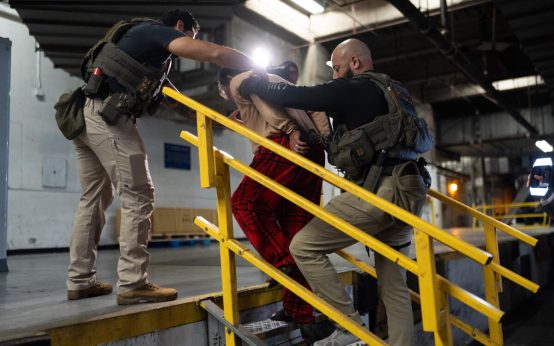 Federal Crackdown on Alleged Noncitizen Voter Fraud in California
 U.S. Officials Advise on Potential Election Interference
 Supreme Court Declines Case on NLRB Authority
 Judge Faces Presidential Criticism and Threats
 Federal Investigation into Rep. Ilhan Omar’s Immigration Status