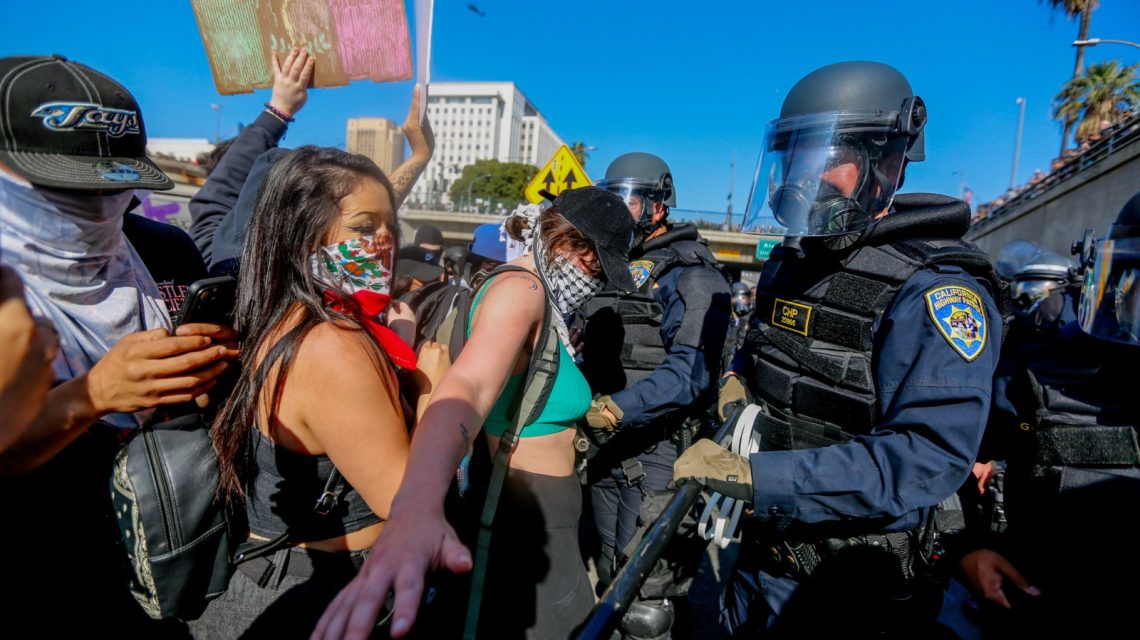
John F. Kennedy once referred to the United States as “a nation of immigrants.” For 250 years, immigration has played a key role in shaping the country’s identity. However, in recent years, the issue has become highly controversial. The Biden administration’s tenure has seen a surge in migrant arrivals, sparking political debates and public backlash similar to the reaction during President Trump’s era of mass deportations.
The Political Climate and Public Perception
As the 2024 presidential election approaches, immigration remains a divisive topic. According to a Pew Research Center survey, 51 percent of voters view illegal immigration as a “very big problem,” with 78 percent of Republicans and 27 percent of Democrats holding this view. Former President Trump has labeled the influx of migrants an “invasion” and proposed the largest mass deportation in the nation’s history. Following his inauguration in January 2025, his administration reported nearly 3 million “illegal aliens” leaving the country, including 2.2 million who reportedly “self-deported.”
Plummeting Immigration Rates
In response to Trump’s immigration policies, there has been a significant decline in immigration to the U.S. The Brookings Institution reported negative net immigration for the first time in over a decade in 2025, with estimates ranging between -295,000 and -10,000. Projections for 2026 suggest a range between -925,000 and +185,000, backed by Census data indicating a drop in net international migration from 2.7 million in 2024 to 1.3 million in 2025. These trends are predicted to continue, affecting population growth rates.
The Role of Immigration in Population Growth
Experts have differing views on immigration’s role in potentially reversing population decline. Demographer William H. Frey emphasizes the importance of continuous immigration to prevent a rapid aging workforce and decrease in overall population. In contrast, Steven Camarota, from the Center for Immigration Studies, advocates for lower immigration rates, highlighting differing scenarios for the future.
Zero and Low Immigration Scenarios
Under a zero immigration scenario, Frey projects a shrinkage of the U.S. population to 312 million by 2051. With low immigration, it would modestly rise to 345 million. Camarota estimates similar growth under low immigration, citing Census Bureau data projecting an increase to 343 million by 2060. Frey argues that zero immigration has notable impacts, such as deaths outpacing births after 2031, accelerating population aging. Camarota believes the workforce’s age distribution would not change drastically under low immigration.
Medium and High Immigration Scenarios
In a medium immigration scenario, Camarota envisions population growth to 364 million by 2060, with a slight decline in working-age population share. Under high immigration, Frey predicts the population would reach 385 million by 2051, maintaining historical growth rates. This scenario could add significant numbers of young people, contributing positively to economic productivity and the workforce. Camarota, however, remains skeptical about immigration’s ability to rejuvenate the workforce substantially.
The Debate on Immigration’s Economic and Demographic Impact
Frey argues that immigrants play a crucial role in keeping the U.S. population younger, typically being younger themselves during migration. He points out the potential economic benefits, including contributions to Medicare and Social Security funds. In contrast, Camarota believes the immigrants’ impact on youthfulness and fertility rates is overstated. He notes that while immigrants might bolster the workforce, many also rely on social services, citing data showing higher welfare use among immigrant households compared to native-born ones.
Ethnic Diversity and Public Opinion
The level of immigration also impacts America’s ethnic composition. Camarota notes the predominantly Hispanic and Asian nature of incoming immigrants, contrasting with the primarily European ancestry of the current U.S. populace. Both experts agree that regardless of immigration levels, the nation will become more diverse. Recent polls show mixed feelings about Trump’s immigration policies, yet a majority view immigration as beneficial to the country’s culture, economy, and community.
 U.S. Strategic Goals Remain Unmet Amid Prolonged Conflict
  The Impact of Arts and Closure on Democracy
 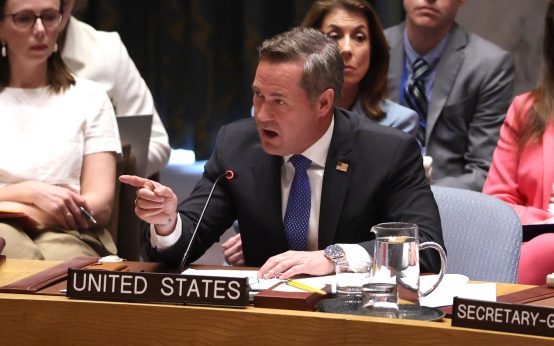 U.S. Ambassador Comments on Iran War Duration Amid Political Concerns
 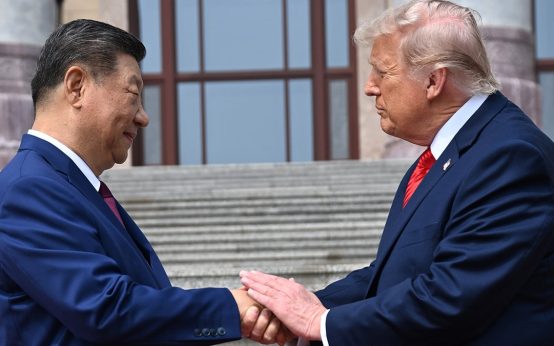 US-China Relations Under Scrutiny: Expert Warns of Escalating Tensions
  No Timeline for End of Iran Conflict
  German Chancellor Merz Vows to Pursue Reforms Despite Election Setbacks