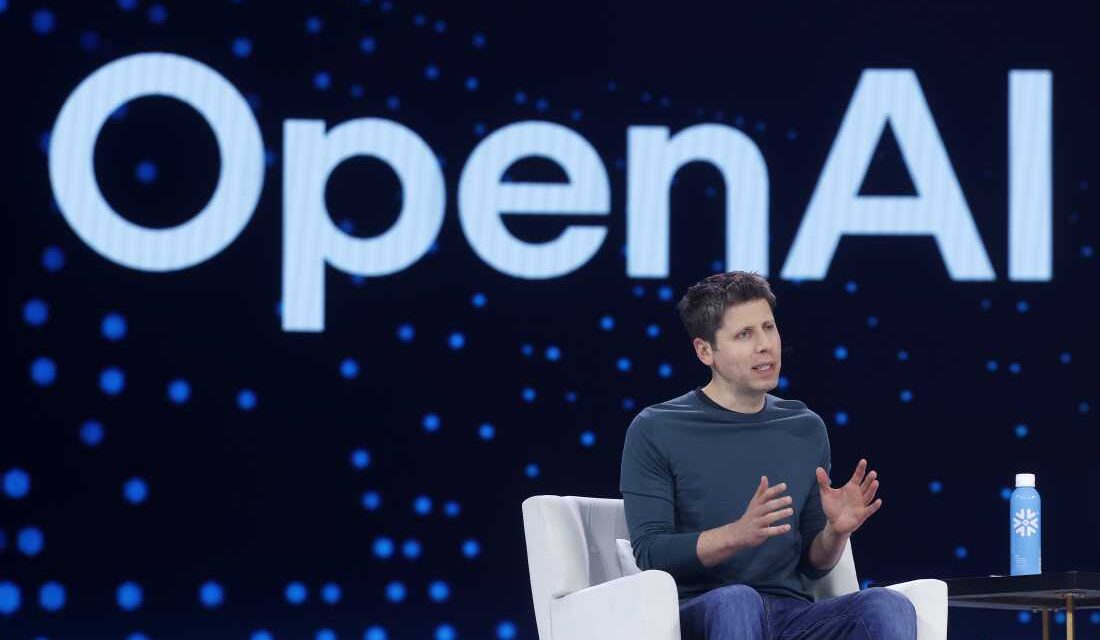
A lawsuit has been filed in Florida state court against OpenAI and its CEO, Sam Altman. The state accuses them of failing to warn users about potential dangers of the ChatGPT chatbot. Instead, they marketed it as a safe and reliable tool, even for children. This marks the first lawsuit by a state against the maker of ChatGPT over alleged shortcomings of the AI application.
The lawsuit claims that OpenAI prioritized profit over safety, neglecting to inform users about risks. It alleges the company aided mass shooters, such as a shooter at Florida State University, who supposedly consulted ChatGPT for planning an attack. Additionally, it accuses OpenAI of promoting suicidal actions and providing children with a tool that mimics empathy to gather their data unsupervised.
“This litany of harms is driven by Defendants’ insatiable quest to win the AI arms race and amass large fortunes, despite knowing the danger of ChatGPT,” the complaint reads.
Florida seeks to hold Altman personally accountable for these alleged actions. Attorney General James Uthmeier remarked that the liabilities could entail billions of dollars in penalties, emphasizing safety concerns regarding minors.
OpenAI’s spokesperson, Kayla Wood, acknowledged the seriousness of losing a child. She stressed that AI is potent technology, necessitating strong protective measures for minors. OpenAI claims to have implemented industry-leading safeguards and policies, including tools for parents.
The lawsuit argues that these protections are insufficient. It categorizes OpenAI’s actions as creating a public nuisance. The first page of the lawsuit features a screenshot from OpenAI’s site, which touted ChatGPT’s safety.
Separately, Uthmeier’s office is conducting a criminal investigation related to the FSU shooter allegedly using ChatGPT in the 2025 incident.
Over 20 lawsuits have been filed against OpenAI, citing harms from ChatGPT. These include cases from families impacted by a school shooting in Tumbler Ridge, Canada, and victims of the FSU shooting. There are also claims from families of individuals who died by suicide or experienced delusions after chatbot interactions.
In reaction to these lawsuits, OpenAI expressed deep remorse and reiterated a zero-tolerance policy for using its tools in violent acts. OpenAI is working with mental health specialists to refine ChatGPT’s response to distress indicators.
Legal challenges extend to other AI firms. Google, for instance, responds to a wrongful death suit related to its Gemini chatbot. It argued that Gemini doesn’t promote violence or self-harm and proactively referred users to crisis hotlines.
Character.AI settled cases related to suicides and mental health crises involving its chatbots, highlighting its dedication to AI safety and teen protection. Measures include prohibiting users under 18 from accessing its chatbots.
Pennsylvania also filed a lawsuit against Character.AI for allegedly impersonating medical professionals. The firm prioritizes user well-being but refrains from commenting on ongoing litigation.
 Dutch Euthanasia Case Sparks Global Debate on End-of-Life Decisions for Children
  Democrats Block Data Center Bill in Senate
  Understanding the Impact of GLP-1 Weight-Loss Drugs on Brain Health
  Ambitious Future Cities: A Global Overview
  Infections Linked to Global Cancer Cases
  Washington’s AI Concerns and the Promised Technological Future