Florida is grappling with its most significant dengue fever outbreak in decades, recording over 290 cases acquired locally. Former CDC Director Dr. Robert Redfield discusses transmission risks and essential preventive measures. Meanwhile, Hillsborough County enhances its mosquito control by aerial spraying to target virus-carrying mosquitoes.
While many assume mosquitoes vanish as the weather cools, Florida remains an exception. Researchers at the University of South Florida have developed an AI-driven mosquito trap. This trap can help health officials quickly identify dangerous mosquito species, proving 98% accuracy in lab settings. This technology arrives as dengue continues to spread throughout Florida.
Florida’s Dengue Outbreak
Contrary to typical mosquito season assumptions, Florida’s situation is unique. Hillsborough County reported 407 locally acquired dengue cases by 2026. Across the state, there are 524 reported cases as of October 31. These figures indicate local mosquito transmission rather than cases contracted overseas.
The Tampa area, in particular, continues to struggle with dengue. Health officials have advised residents to take protective measures against bites, as the disease can lead to severe complications. Responding to the outbreak, Hillsborough County extended its state of local emergency and intensified mosquito control efforts.
Although mosquitoes are less prevalent in colder regions, warm states like Florida still face active threats. New technology could offer better community response methods to manage mosquito populations effectively.
AI in Mosquito Identification
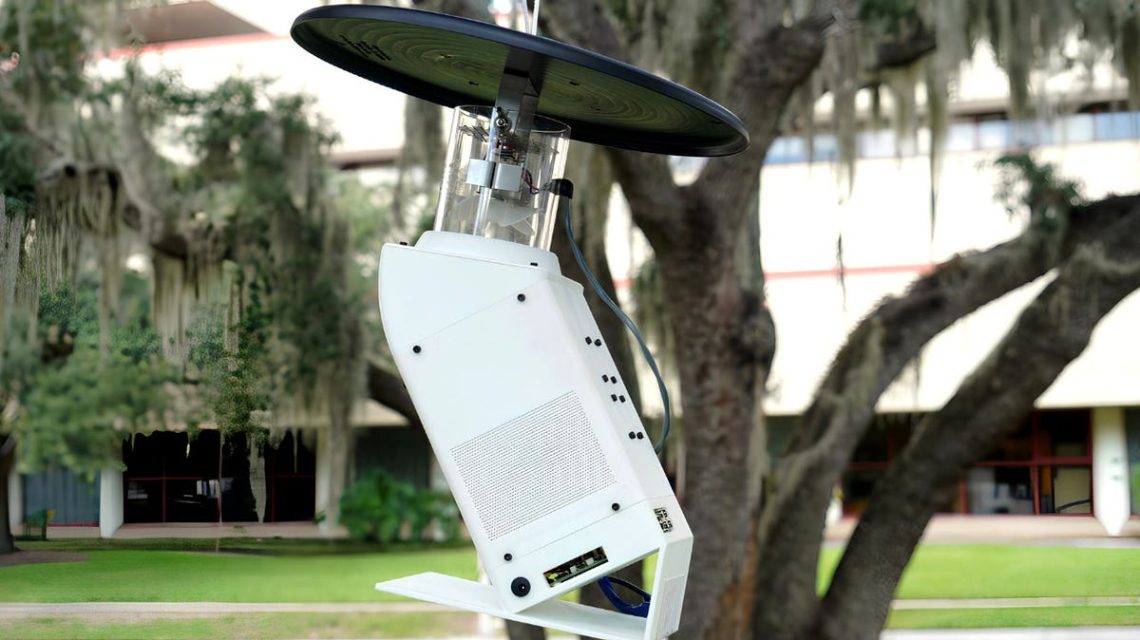
Digitomy, a startup from the University of South Florida, has pioneered an AI mosquito trap. Researchers Ryan Carney and Sriram Chellappan have refined this system since 2018 with the aim to expedite mosquito species identification without the need for intricate laboratory work.
The trap functions straightforwardly, utilizing light or bait to attract mosquitoes, followed by a fan that draws them onto a sticky pad. Cameras within the trap photograph these insects, and AI then identifies species by comparing them to a comprehensive database. Additional capabilities include discerning gender and recent feeding status, specifically targeting blood-feeding females critical in disease spread. Laboratory tests indicate over 98% identification accuracy.
Accelerating Mosquito Surveillance
Traditional surveillance often requires days for species identification due to detailed examination. Digitomy’s system seeks to resolve this delay, utilizing AI and cloud computing for near-instantaneous identification, enabling timely responses to emerging outbreaks.
This rapid identification is vital, particularly for the Aedes aegypti mosquito, the primary dengue vector in Florida. By knowing which mosquitoes are spreading diseases, appropriate control measures can be more accurately applied. However, it’s important to note that while the trap identifies species capable of carrying diseases, virus presence requires additional lab testing.
Impact on Public Health
The AI-powered trap holds potential for an early warning system. By sending identification data to a mapping dashboard, the system assists mosquito control teams in pinpointing dangerous species’ locations promptly during outbreaks.
Current technology integrations include data collection through the Global Mosquito Observations Dashboard. With input from automated systems and public contributions, this approach provides detailed insight into mosquito activities, potentially supporting better community protection methods.
Digitomy’s technology, already tested in controlled environments and within certain Florida counties, prepares for further field validation. While a consumer release date isn’t yet available, commercial partnerships with mosquito trap manufacturers could facilitate broader implementation.
Personal Protection Measures
Although the general public may not access Digitomy traps soon, the technology may indirectly benefit communities by improving mosquito control responses. Residents in warmer areas, or those traveling to mosquito-prone regions like Florida, should continue preventive practices.
Simple measures remain effective: eliminate standing water to discourage breeding, use approved insect repellents, and wear long clothing to reduce exposure. Additional products and tips are available for those seeking further protection against mosquitoes.
 Positive Trends in Youth Mental Health and Decline in Overdose Deaths
 Ambetter Health Plan Faces Criticism for High Denial Rates
 Caregiving Challenges for Older Adults
 Recent Events Highlight Legal and Social Shifts
 Tips to Minimize the Impact of Colds and Flu
 Challenges and Public Sentiments in the Push for Medicare for All