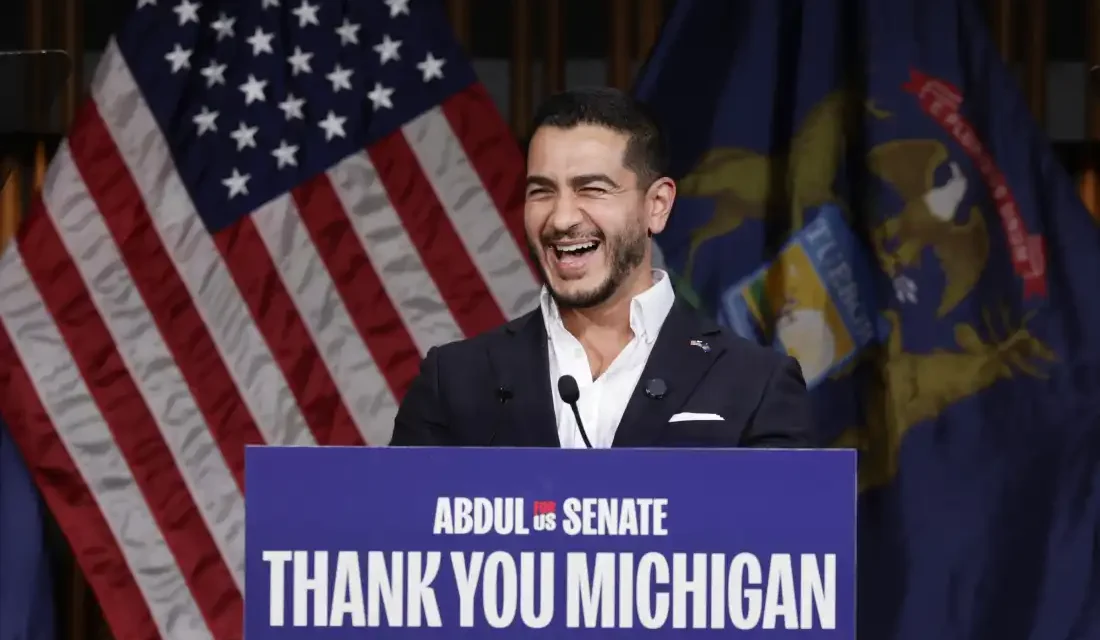
Abdul El-Sayed, a Democratic candidate, celebrated victory in Michigan’s US Senate race on November 4, 2026. His campaign focused on healthcare reforms using the slogan “Money out of politics, money in your pocket, Medicare for All.” Several newly elected Democratic senators aim to prioritize universal government-funded healthcare, reflecting voter concerns about healthcare affordability.
Although many agree on making healthcare accessible, differing ideas about execution have divided the Democratic Party in the past. Previous reform efforts, such as during the Clinton era and the Affordable Care Act’s passage, showed stark contrasts between broad overhauls and more gradual changes.
Understanding “Medicare for All”
Misunderstandings about what “Medicare for All” entails contribute to legislative challenges. Nicholas Bagley, a law professor, highlights that people’s endorsement often stems from associating it with positive healthcare improvements without understanding practical implications. Perspectives shift significantly when potential consequences, like tax increases, are introduced to the conversation.
Financial Dilemmas Surrounding Medicare
The Medicare program, essential for adults 65 and older, is already financially strained. Its hospital insurance trust fund might become insolvent by 2033. Comprehensive expansions of Medicare benefits, such as adding dental or vision coverages, would demand substantial funding, likely through increased taxes.
As Democrats gain new legislative control, they must prioritize reversing previous spending cuts affecting Medicaid and the Affordable Care Act or expand coverage. These financial constraints and high public expectations present a significant challenge.
Party Dynamics and Public Opinion
Heightened public dissatisfaction amplifies desires for major health policy changes. According to a KFF survey, more people support Medicare for All, even if it involves eliminating the private insurance sector. This shift suggests readiness for radical transformation, contrasting with historical resistance during prior health reform debates.
New Democratic majorities face the complexity of aligning diverse party members’ interests. Larger majorities can widen ideological diversity, echoing the Republican Party’s challenges with varying district ideologies.
As Democrats proceed, aligning internal viewpoints and addressing fiscal realities remain pivotal. Public willingness for change signals distinct potential in forthcoming reforms, dependent on cohesive legislative strategies.
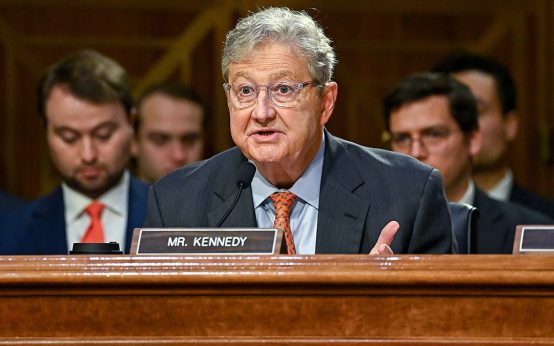 Lawmakers Demand Clarification on AI Chip Sales to China
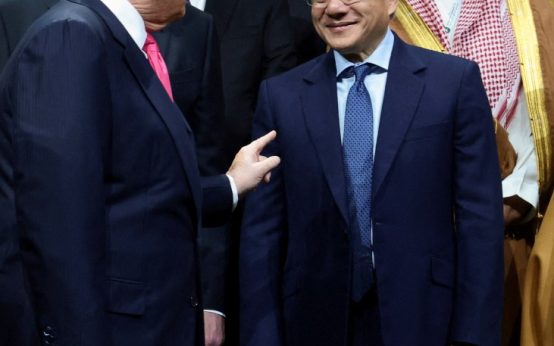 Trump Assures Nvidia Board About CEO Jensen Huang’s Legal Safety
 Business Leaders and Politicians React to Jensen Huang’s Return as Nvidia CEO
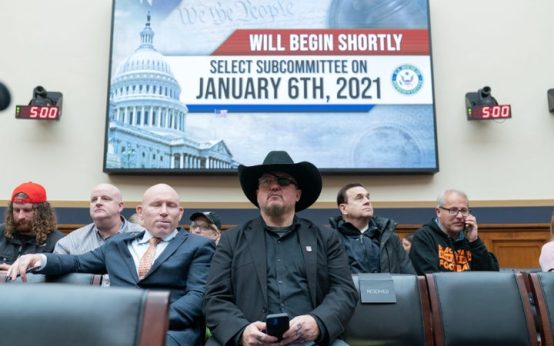 Stewart Rhodes Distances Himself from Trump, Regrets Past Allegiance
 Challenges in Defeating Ebola in the Democratic Republic of the Congo
 Presidential Turkey Pardon Tradition at the White House