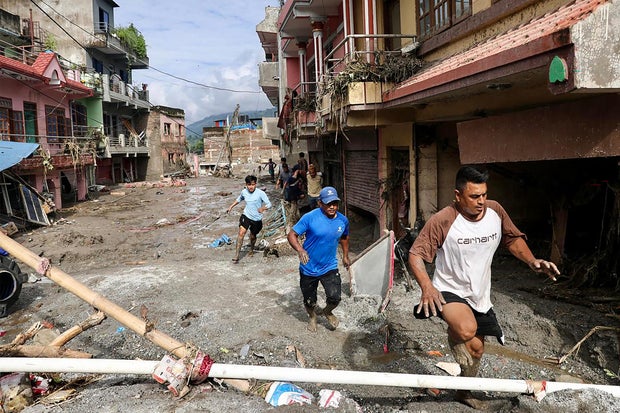
Rescue teams are on the ground after catastrophic floods and mudslides struck the Nepal-China border following a sudden glacial collapse. This disaster has swept through several communities, leading to widespread devastation.
Missing People and Rising Death Toll
The National Disaster Risk Reduction and Management Authority of Nepal reported 826 people missing, with the death toll reaching 165. Operations have intensified in Nuwakot and Rasuwa, the worst-hit districts. Meanwhile, China’s CCTV reported 558 people missing in Tibet, including 260 foreigners, with three confirmed deaths.
Hikmat Singh Ayer, CEO of Nepal’s Tourism Board, noted that over 30 Americans are among the missing foreign nationals.
Impact on Infrastructure and Communities
The torrent of flash floods devastated villages in Nepal, demolishing houses, roads, bridges, and power plants. Video footage showed water violently surging through valleys, destroying infrastructure and burying buildings.
Local residents, like Shoyam Rajbhandari, witnessed the rapid destruction in Dhunge Bazaar. He expressed uncertainty about the number of affected people.
Search and Rescue Operations
Since early morning operations began, helicopters have been actively deployed. The Nepalese army rescued over 100 individuals from affected regions via air, including eight foreign nationals transported to Kathmandu.
In Tibet, communication disruptions and road damage due to mudslides have complicated the response efforts. A barrier lake poses additional challenges, but military aircraft are sending rescue teams.
International Response
Secretary of State Marco Rubio conveyed U.S. support to Nepal, offering humanitarian aid. The U.S. Embassy expressed condolences and announced advisory support and a $500,000 grant to Catholic Relief Services.
Buddhist leader the Dalai Lama extended prayers and sympathy to those affected in Nepal and Tibet.
Glacial Collapse Identified as Cause
An initial earthquake report was corrected to reveal a glacial collapse. The U.S. Geological Survey identified a magnitude 5.2 event, triggered by debris. Climate experts confirmed avalanches from glaciers caused the floods.
The Trishuli river experienced a rapid rise in water levels of 27 feet within 30 minutes. The Lhende Khola River faced maximum flooding, further highlighting the region’s vulnerability to natural disasters.
Climate Change’s Growing Threat
Flooding from the Lhende Khola river system has occurred twice in 14 months, linked to a warming Himalaya. Similar floods took place last year, damaging infrastructure and impacting communities in the region.
The Himalayas, with its glaciers and steep slopes, face increasing risks from climate change. Melting glaciers and extreme weather have intensified, threatening densely populated areas across South Asia.
Researchers noted accelerated glacier melting since 2000. The global concern surrounding melting glaciers continues to grow.
 Data Centers in Virginia face Growing Opposition
  The Cost of Challenging Beijing
 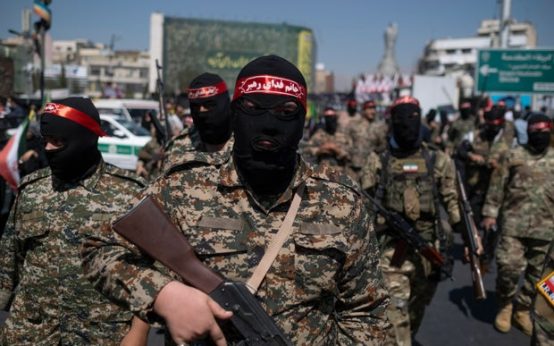 Tensions Escalate in Iran Conflict as Global Leaders Weigh Options
  White House Approves F-35 Sales to Saudi Arabia Amidst Regional Tensions
  Inside the Secret Deals Powering the President’s Push to Deport Migrants to Countries Not Their Own
  Navigating the Challenges of Third-Country Deportations