
President Trump recently announced on Truth Social that the U.S. plans to take control of Kharg Island and other Iranian oil infrastructure. The move comes as tensions with Iran, fueled by a joint U.S.-Israel effort, appear to be escalating. He told Fox News that he is uncertain about the American public’s support for seizing the strategically significant island.
Kharg Island holds significant value due to its role as Iran’s principal oil export terminal, historically processing 85-95% of the country’s crude exports. Located 20 miles off Iran’s northern Gulf coast, the island is crucial for Iran’s oil revenue, mainly from sales to China. A disruption here could significantly impact global oil prices, which have already risen by 30% since the conflict began.
Kharg Island’s Role in Iran’s Energy System
Iran’s military capabilities have been targeted in previous U.S. airstrikes, including strikes in March that aimed to weaken its ability to export oil. These actions demonstrate the U.S. strategy to leverage Kharg Island and pressures around the Strait of Hormuz to limit Iran’s financial gains from oil exports.
National security analyst Aaron MacLean noted that President Trump is using Kharg Island’s vulnerabilities to press Iran over shipping lane threats. Historically, about 20% of the world’s oil supply transited the Strait of Hormuz before the conflict intensified.
Historical Context of Kharg Island
Kharg Island has long been a focal point of conflict. During the Iran-Iraq War, Iraq repeatedly bombed Kharg Island to cut Iran’s oil earnings. Despite damage, Iran maintained exports by repairing the facilities and strengthening defenses. This history has led Iran to heavily fortify the area to endure attacks.
Although Iran lacks the conventional military strength of the U.S. or Israel, it focuses on asymmetric warfare. A serious threat to Kharg Island could prompt Iran to retaliate across multiple fronts, likely increasing attacks on U.S. bases and shipping routes in the region.
Wider Implications
Hostilities could extend beyond the Gulf. Iran’s Houthi allies in Yemen threaten to disrupt shipping in the Bab el-Mandeb Strait. On June 1, an Iranian news outlet suggested that the Houthis might begin attacking commercial vessels, as hinted by Iran’s Islamic Revolutionary Guard Corps, indicating potential expansion of conflict fronts.
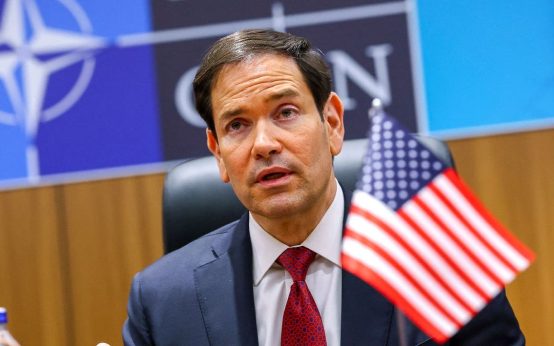 Secretary Rubio Discusses Middle East Conflict and NATO Relations
  Israeli Leader’s Upcoming U.N. Assembly Speech Marked by Controversy
  United States Secures Arctic Defense Pact
 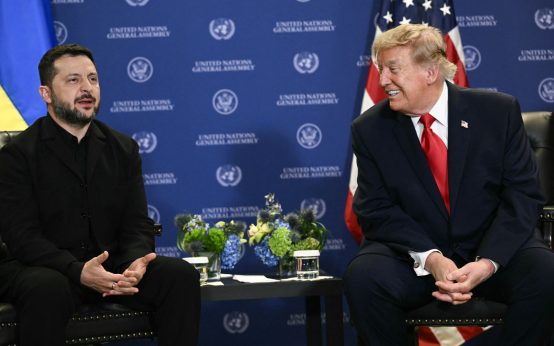 Trump’s Engagements at the UN: Focus on Ukraine and White House Developments
  Trump Administration to Admit 17,500 Afrikaner Refugees from South Africa
 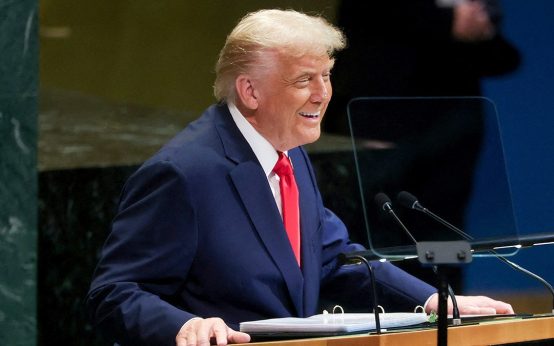 Trump’s Vision for Global Security: Iran, AI, and the Role of the U.S.