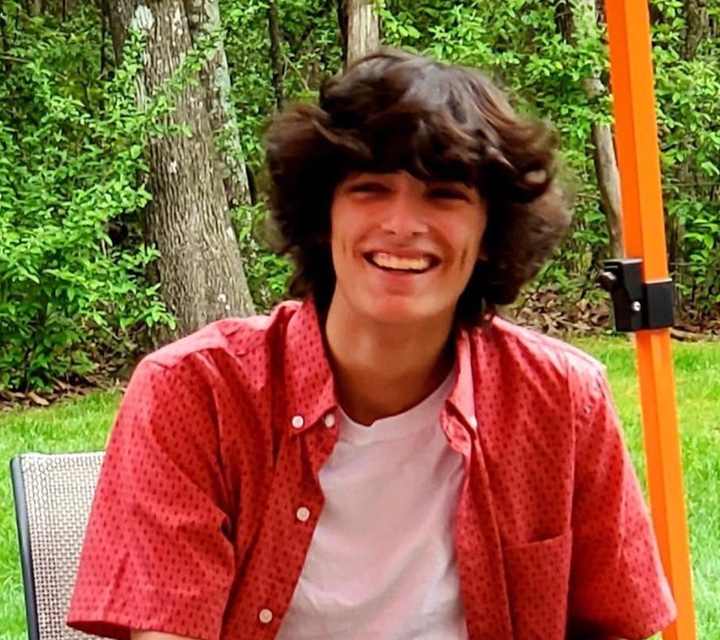
Many men of my generation live with the mindset to toughen up and suppress emotions. Mental health rarely came up in conversations, and I didn’t fully understand it. This changed dramatically when I lost my oldest son, Gavin, to suicide due to an online sextortion scam. Everything turned upside down, pushing me on a journey I never imagined.
Gavin was only 17. As a father, I felt it was my duty to protect my family. When faced with such a tragedy, I believed I had let my wife and other sons down. I didn’t understand post-traumatic stress until I faced my own triggers. Anxiety’s grip and depression’s weight became realities I had to confront daily.
Reflecting on my past, my body tried teaching me about handling emotions long ago. As a teenager, I turned to the gym when I felt anxious or angry. Physical exertion allowed me to channel my built-up energy. Gavin found solace in his skateboard. To clear his mind, he would skate for an hour or more. It reminded me of a night we walked around the airport, talking. Unknowingly, we moved our bodies to process emotions. I now believe in creating motion to change emotions.
This realization deepened during Gavin’s funeral. Our family tradition was to bury our own. With shovels ready beside his grave, I led my sons, Coen and Callahan, to the mound of dirt. Callahan, only 4, stopped and cried, unsure of the ritual. I knelt beside him, explaining we did it for love.
A photograph captures that moment: me beside Callahan, and my sister Micala on his other side. Eventually, Callahan joined Coen and me. We began shoveling. While Coen and I paused, Callahan continued. He shoveled dirt with determination. Despite the heat, his small hands transferred one shovelful at a time.
As the pile diminished, I noticed Callahan’s face. Dirt streaked with tear lines. “Are you all right, buddy?” I asked. “Yeah, Daddy,” he answered. “It helped get the yucky out.” In those words, Callahan taught me a profound lesson about emotion and motion.
“To change an emotion, you must create motion.”
Science supports this. According to the National Institutes of Health, physical activity reduces anxiety and depression risks while aiding sleep. Movement need not be intense. Walking, biking, dancing, or spending time outdoors can suffice.
Movement isn’t a solution for grief or mental health issues. It complements professional help. Sometimes, courage is reaching out for support. I wish Gavin had known this.
Movement became a critical tool, instantly accessible for interrupting overwhelming moments. I share this insight with teenagers, teaching them to channel overwhelming emotions through movement.
Boys and men long learned to “man up” and hide pain. Now, I know true strength lies in acknowledging emotions and responding healthily. It’s about seeking help and stepping forward when standing still feels impossible.
Callahan taught me as I stood by Gavin’s grave. When words fail, move. When anxiety oppresses, move. When grief feels unbearable, seek help and move. Though pain may remain, motion can sometimes ease it. Motion might carry you to tomorrow. Tomorrow needs you.
Brandon Guffey is a South Carolina politician and member of the state legislature. He was motivated by his son Gavin’s death to advocate for child online safety. He led efforts to pass “Gavin’s Law,” targeting sextortion and cyber safety education. He continues this work nationwide.
 Veterans Find Solace and Connection Through Art Classes
 Gift Guide for Holiday Shopping
 3 Pre-Holiday Organizing Projects to Tackle for a Smooth Holiday Season
 Billy Evans Discusses Documentary and Personal Life
 Wendy’s Celebrates Frosty Day with Free Treats and New Surprises
 Caring for a Former Spouse: A Journey Through Love and Loss