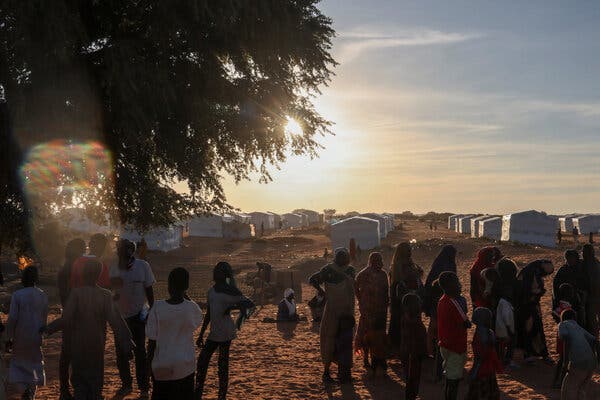
Five months after the United Nations identified acts of genocide in Sudan, an impending humanitarian crisis looms large. The Rapid Support Forces (RSF), controlling parts of Sudan and known for violent actions, have besieged El Obeid, a crucial city. Over 600,000 residents face severe shortages of essentials like food, water, and medicine. The RSF has already executed drone attacks resulting in civilian casualties.
The signs from El Obeid are clear and unmistakable: Another human rights catastrophe is unfolding in Sudan,said Volker Türk, the U.N. high commissioner for human rights.
Despite being one of the world’s deadliest conflicts, the war in Sudan is often overlooked. This neglect occurs due to Africa’s exclusion from major global political narratives and enduring racial and economic biases. Sudan’s protracted history of warfare makes peace efforts seem futile. However, these excuses are unacceptable as they exacerbate the human toll. Independent estimates suggest that between 150,000 and 400,000 people have died, with millions displaced, straining neighboring countries. Prolonged conflict increases risks of broader regional instability.
The international community must intensify efforts to halt the violence and mass displacement threatening Sudan. The situation in El Obeid should prompt urgent international action. The United States has the potential to influence regional powers to intervene. With considerable sway over Egypt, Saudi Arabia, and the United Arab Emirates, the U.S. can restart peace negotiations and secure a cease-fire. The Trump administration should refocus on achieving peace in Sudan, protecting countless civilians from the threat of assault and death.
Achieving peace presents formidable challenges. Sudan’s journey since gaining independence from Britain and Egypt in 1956 has been marred by instability, including coups, drawn-out civil wars, and the Darfur genocide in the early 2000s. The primary divide within Sudan is ethnic. Although over 90% of the population is Muslim, they are split between an Arab majority and various non-Arab Black ethnic groups. The Darfur genocide witnessed Arab militias, backed by the Sudanese government, killing hundreds of thousands of Black civilians.
The crisis began following the 2018 unrest triggered by then-dictator Omar al-Bashir’s move to cut fuel and wheat subsidies. Subsequent protests in 2019 led to the military and dominant private militias toppling the government, though their alliance soon fractured into internal conflict. Both factions, the Sudanese Armed Forces and the militias, vie for control over territories and resources like gold, oil, and agriculture, committing atrocities in the process.
On one hand is the Sudanese Armed Forces led by Gen. Abdel Fattah al-Burhan, recognized by various nations as the head of state. The military is associated with the Muslim Brotherhood and has received aid from countries like Iran and Egypt. The United Nations has accused the armed forces of serious offenses, including war crimes, torture, sexual violence, and chemical weapon use.
 The Cost of Challenging Beijing
 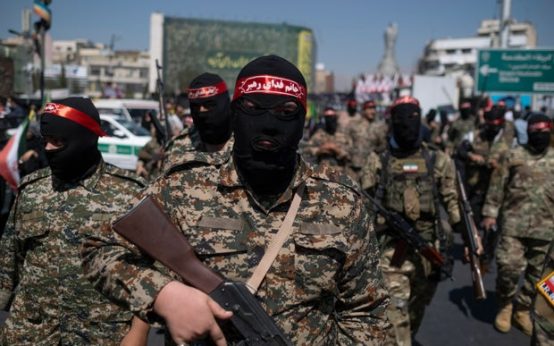 Tensions Escalate in Iran Conflict as Global Leaders Weigh Options
 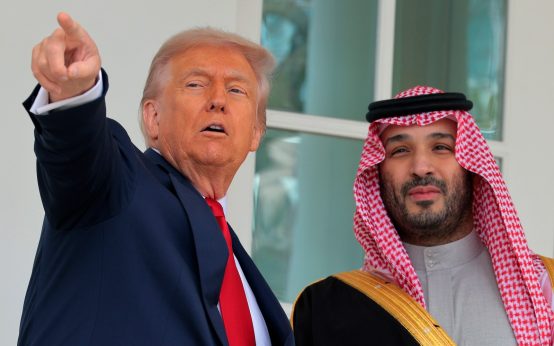 White House Approves F-35 Sales to Saudi Arabia Amidst Regional Tensions
  Inside the Secret Deals Powering the President’s Push to Deport Migrants to Countries Not Their Own
  Navigating the Challenges of Third-Country Deportations
 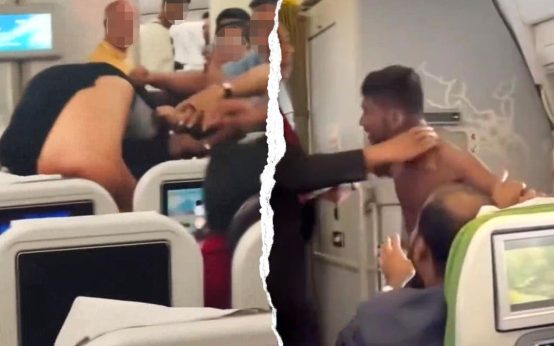 Midair Altercation on Bangladesh to London Flight