
Current Trends in Student Loan Delinquency and Default
More than 12.5 million federal student loan borrowers could face delinquency or default by the end of 2026 if existing repayment trends persist, according to the Department of Education’s latest data. Currently, 2.97 million federal borrowers are delinquent, with payments overdue by 30 to 270 days, while another 9.57 million are already in default, indicating payments overdue by at least 271 days.
Kevin Thompson, CEO of 9i Capital Group, warns borrowers to understand repayment terms and potential tax implications to avoid being caught off guard. Defaulting on loans can severely damage credit scores and lead to wage garnishment.
Impact of Loan Defaults
Loan defaults can have serious consequences. They not only impact credit scores, making it difficult for borrowers to qualify for mortgages and credit cards, but also trigger wage garnishment. Despite the Trump administration’s efforts to push borrowers back into repayment, many remain behind on payments.
The Accumulation of Student Debt
According to Forbes Advisor, average student debt stands at $29,560 for bachelor’s degree recipients, while federal data suggest the average federal student loan balance is around $39,500. Students pursuing professional and graduate degrees tend to accumulate larger debts, with dental school graduates owing $295,000, medical school graduates $215,000, and law school graduates $145,000.
In contrast, graduates with associate degrees or technical certificates often borrow less. Community college graduates typically owe around $10,000, and programs like mechatronics and robotics generally involve lower debt.
Challenges in Repayment
Since the COVID-era repayment pause ended, many borrowers face difficulties. Finance expert Michael Ryan notes that millions were trained to pause payments for years, creating confusion when repayment restarted. Ryan emphasizes the importance of understanding available options like income-driven repayment plans to avoid default.
Policy Changes and Their Impact
The Biden-era Saving on a Valuable Education (SAVE) plan, an income-driven repayment program, saw nearly 7 million enrollments before being halted by legal challenges. As borrowers exit the SAVE plan, many will resume payments, potentially struggling with costlier repayment options.
Actions Borrowers Can Take
Struggling borrowers can avoid default through income-driven repayment plans or loan consolidation. Those in default should explore rehabilitation or consolidation options on StudentAid.gov. Michael Ryan advises timely action, emphasizing the importance of contacting loan servicers to understand available solutions.
Future Outlook
As borrowers exit the SAVE plan, repayment challenges may increase. Kevin Thompson notes that those expecting loan forgiveness or lacking sufficient income will be most affected. Immediate action and understanding repayment options can help prevent falling behind.
 Nikole Hannah-Jones Reflects on Educational Choices for Her Daughter
  The Rising Trend of GLP-1 Medications Among College Students
  Seton Hall National Security Graduate Fellowship Provides Hands-On Experience
 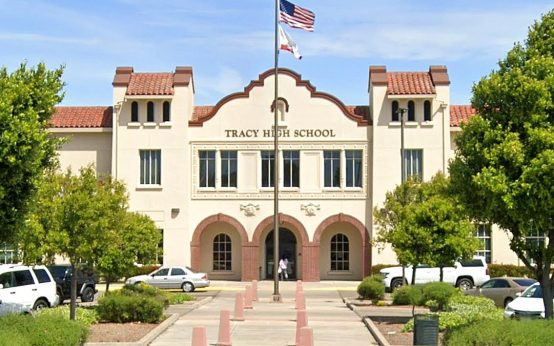 California High School Coach Arrested Over Secret Recording in Locker Room
  Student’s Coffee Incident Sparks Policy Review in New York School
  Hillcrest High School’s Academic Success in 2026-27