The legal proceedings surrounding Rep. Ilhan Omar, Democrat from Minnesota, have seen a federal judge, known for challenging President Donald Trump and his allies, now involved in whether to unseal the warrant used for searching Omar’s home. This process connects with two separate federal investigations into Omar, primarily focusing on her financial disclosure inconsistencies and claims of fraud in her father’s immigration documents. Omar moved to the U.S. from Somalia in 1995 at age 12. Investigators are reviewing her father’s potential misstatement of her age on citizenship papers in 2000, which might have allowed her to acquire citizenship as a minor.
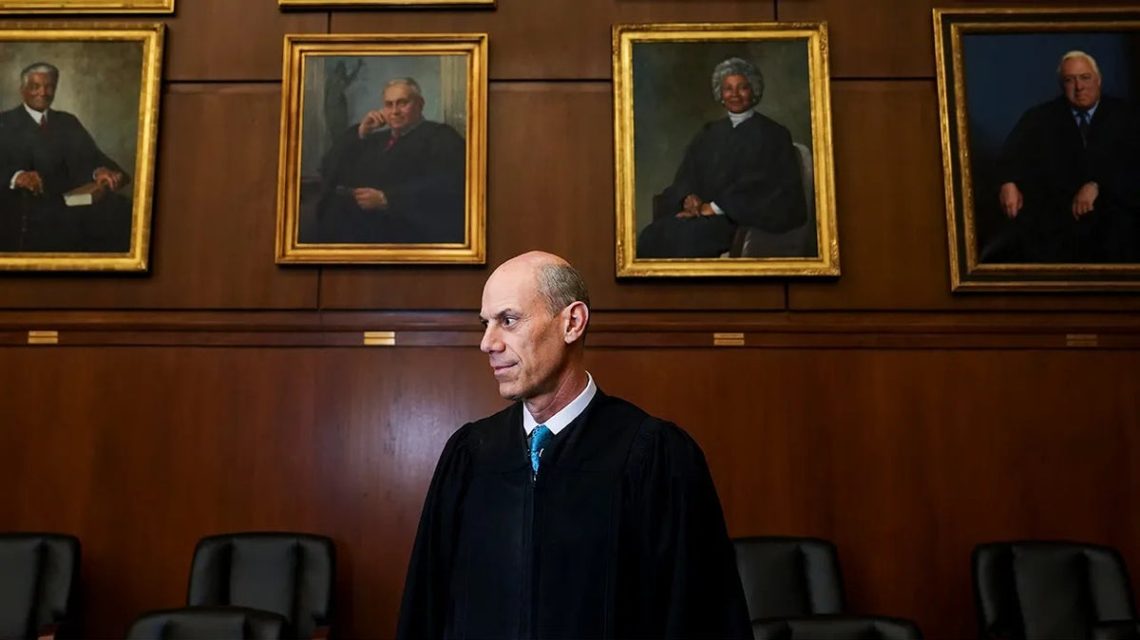
Trump, critical of Omar, has repeatedly accused her of immigration fraud, pointing to her prior marriage with Ahmed Nur Said Elmi, allegedly her brother. After the October 12 raid at Omar’s Washington, D.C. home, Trump publicly called for Omar’s imprisonment, branding her a ‘disgrace.’ U.S. District Judge James Boasberg, a target of Trump, oversees this unsealing debate. Previously criticized by Trump for blocking deportation flights of Venezuelan nationals in March 2025, Boasberg’s decisions have been labeled biased, with Trump asserting it’s near impossible to get an honest ruling in D.C.
This raid, a few weeks ahead of midterms, coincided with political tensions in Minnesota about supposed fraud in local social services. Following the raid, the Department of Homeland Security Investigations and the FBI created conditions for three unseal requests, submitted by the New York Times, Judicial Watch, and other press groups.
Chief Judge Boasberg required the Justice Department to justify keeping the records sealed, amid a joint plea from media entities but extended the deadline due to the Department’s request, prioritizing the warrant execution completion. The Department worried the release might harm the investigation’s integrity.
According to Pirro, the request to unseal was impulsive. The filing noted the warrant was still in execution, and many investigation details were redacted. Conversely, media groups argue that redacting sensitive information, rather than withholding the entire warrant, should be the approach.
Omar faces additional legal skirmishes, asserting agents breached protections related to her congressional work during the property seizure from her home. Her attorneys claim agents didn’t provide the warrant nor allowed attorney contact during the search.
Boasberg’s leadership in striving to unseal the records comes after decisions drawing criticism from Trump and allies. In June 2025, he ordered agencies to keep Signal messages discussing military actions in Yemen, reflecting their potential as federal records. He applied nondisclosure orders during Biden’s Arctic Frost probe, preventing phone carriers from alerting lawmakers about subpoenaed records.
Earlier, Boasberg faced scrutiny concerning his sentencing of ex-FBI lawyer Kevin Clinesmith, who admitted to amending an email in a Foreign Intelligence Surveillance Court application, renewing surveillance on Carter Page, a former Trump campaign associate suspected of being a Russian agent. Serving previously on the FISA Court, Boasberg expressed Clinesmith’s email alteration diminished the court’s credibility but lacked personal gains. Clinesmith was sentenced to one-year probation and 400 community service hours.
 Trump’s New Hearing on East Potomac Park Redevelopment Plan
 DC Mayor’s Proposed Salary Increase
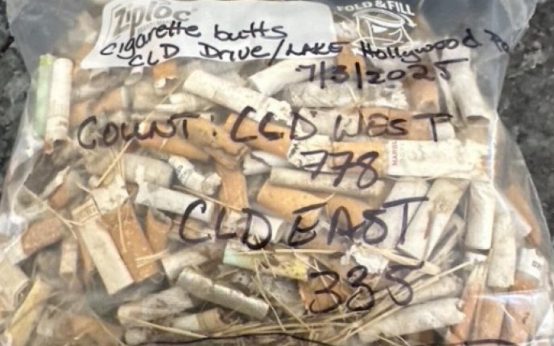 Residents Sue City Over Hollywood Sign Tourism Issues
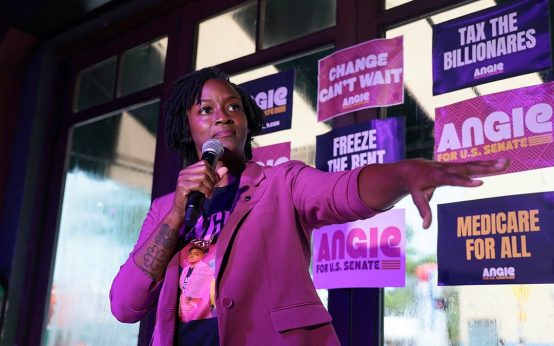 Florida Senate Race: Angie Nixon’s Political Labels and Controversies
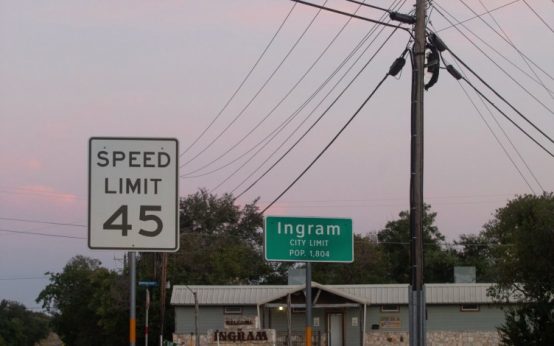 The Impact of ICE’s 287(g) Program on Ingram, Texas
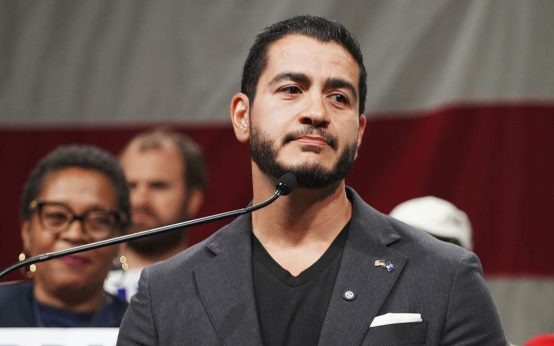 Controversy Surrounds Abdul El-Sayed’s Views on Foreign Policy