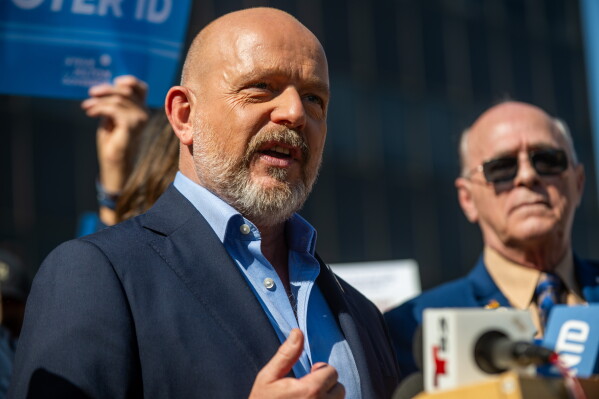
Last year, President Donald Trump increased the fee for H-1B work visas to $100,000. He claimed it would protect American workers from being replaced by lower-paid foreign workers. However, a federal judge recently nullified this increase. The judge sided with 20 states, stating that the Trump administration exceeded its authority. It raised the fee without congressional approval.
Understanding H-1B Visas
H-1B visas were introduced by the 1990 Immigration Act. They allow U.S. companies to hire foreign workers with specialized technical skills. These visas are for positions where such skills are difficult to find domestically. The visas are temporary but can lead to permanent residency if the individual transitions to a different status.
H-1B visas are for professionals with a bachelor’s degree or equivalent skills. They have a three-year term, extendable to six years. Capital Economics estimated around 700,000 H-1B visa holders were in the U.S. last year, alongside 500,000 dependents. According to Pew Research Center, at least 60% of H-1B visas since 2012 have been for computer-related jobs. The visas serve industries ranging from hospitals to universities.
Trump’s Fee Increase
In September, the White House set a new $100,000 fee for H-1B applications. Previously, applicants paid $215 for the lottery, plus other charges. The new fee took effect with only 24 hours’ notice. Critics argue the H-1B program attracts foreign workers who work for less than American technicians. Staffing companies often bring Indian workers to fill these roles. Pew data shows nearly 75% of approved applications in 2023 were from India.
The Economic Policy Institute reported wages for 60% of H-1B positions certified by the U.S. Labor Department fall below the median for each job. Few companies were willing to pay Trump’s increased fee. By mid-February, only 85 fees were paid, generating $8.5 million in revenue. Bernhard Mueller from Ogletree Deakins noted the fee failed as a revenue source. The higher fee did not apply to those in the U.S. on student visas transitioning to work visas, impacting H-1B visa issuance only slightly.
Court’s Ruling
On Monday, U.S. District Court Judge Leo Sorokin ruled against the fee increase. He cited the Administrative Procedure Act, governing how federal agencies create regulations. Judge Sorokin stated the policy imposed a tax without congressional delegation.
This ruling contradicted another federal court’s finding in a separate case brought by the U.S. Chamber of Commerce, which upheld the fee. An additional lawsuit in San Francisco by religious and labor groups suggests potential varied rulings across appellate courts. The states argued the fee hindered their hiring for schools and universities, affecting education and medical staffing.
 Marco Rubio’s Expanding Role in Trump Administration
  Byron Donalds Adjusts Campaign Strategy as Florida Governor Race Intensifies
  Trump’s Engagements at the UN: Focus on Ukraine and White House Developments
  Collins Faces Scrutiny in Tight Maine Senate Race Amid Donor Allegations
  Trump’s Vision for Global Security: Iran, AI, and the Role of the U.S.
  Nevada Attorney General Faces Questions Over Clemency Bid