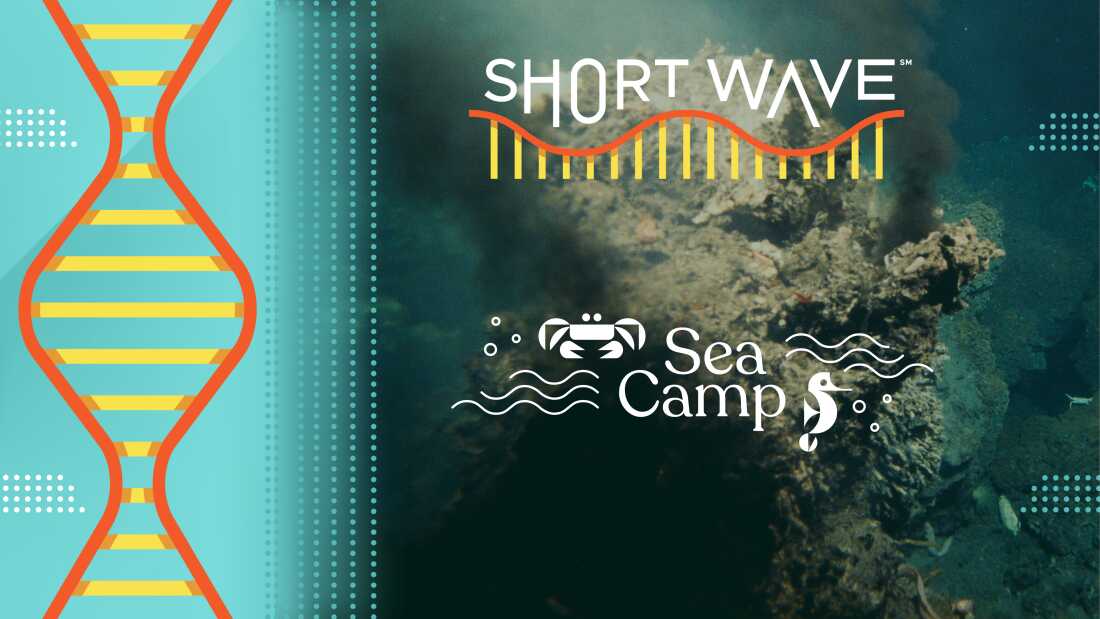
In the mysterious depths of our oceans, life flourishes around hydrothermal vents. These areas might hold clues to one of science’s greatest questions: How did life begin on Earth?
Many scientists explore the idea that Earth’s abundant water played a significant role in the origins of life. Two scenarios under investigation include deep sea hydrothermal vents and tidal pools. These locations may have provided the necessary conditions for life to form. The presence of water in such environments supports this hypothesis.
Research is also expanding beyond Earth. The possibility of life existing in “water worlds” elsewhere in our solar system is being considered. Moons of Jupiter and Saturn are prime candidates due to their potential water content.
In an episode of Short Wave, host Regina G. Barber discusses these water-based hypotheses. She explores what they suggest about life’s potential on other planets.
If you have a scientific mystery you’d like to explore, contact the team at [email protected]. For ad-free episodes of the podcast and to support NPR’s work, consider signing up for Short Wave+ at plus.npr.org/shortwave. You can listen to Short Wave on popular platforms like Spotify and Apple Podcasts.
This episode was produced by Hannah Chinn and Berly McCoy. Edited by Rebecca Ramirez and fact-checked by Tyler Jones, with Robert Rodriguez as the audio engineer.
 Fusion Energy Milestone: Breaking New Ground
  SpaceX Rocket Debris on Course to Impact Moon
  Defunct SpaceX Rocket Set to Impact the Moon
 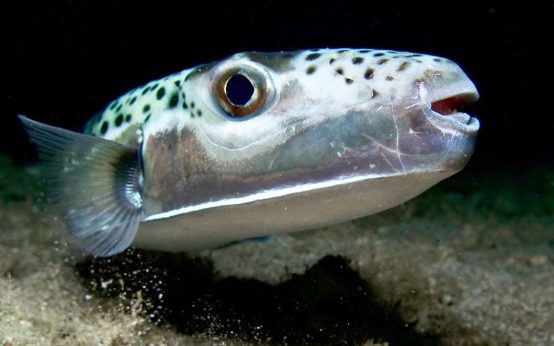 Ocean Safety and the Rising Threats of Sharks and Puffer Fish
  SpaceX Rocket on Collision Course with the Moon
  Unraveling the Origins of COVID-19: The Ongoing Quest for Answers