
Manx shearwaters, a type of seabird, embark on long journeys across the Atlantic Ocean to hunt at sea for weeks before returning to their nests. New research suggests these birds experience a form of jet lag similar to humans.
A study published in Science explored how Manx shearwaters become somewhat disoriented during extended flights. This occurs because their internal clocks fall out of sync with the sun’s position, disrupting their navigation.
Commonly found in the British Isles, Manx shearwaters resemble seagulls but are closely related to albatrosses. These birds mate for life, with mating pairs laying a single egg. Partners take turns incubating the egg with one staying at the nest while the other hunts in the North Atlantic.
The Manx shearwaters search for fish and squid, traveling hundreds of miles away from their nests. Upon satisfying their hunger, they hurry back to their colonies, often making the journey within a day.
Research led by Patrick Lewin, a behavioral ecologist at the University of Oxford, aimed to determine if these birds experienced jet lag effects. The study utilized GPS trackers placed on the birds over 20 years, collecting flight data. It revealed that Manx shearwaters use the sun for navigation.
“To use the sun as a compass you have to know what time of day it is,” Lewin explained.
Divergences in their navigation indicated jet lag impacts. Lewin observed that as the shearwaters returned to their eggs and partners, they went slightly off course. The largest deviation recorded was a seven-degree error, which translated to a three-mile deviation on a 600-mile trip.
Biologist Alice Boyle from Western University in Ontario highlighted the significance of this research. She emphasized the value of studying how creatures navigate their environments and praised the GPS technology used in the study. Boyle noted the importance of understanding navigation decisions among wild birds traveling to remote locations.
 Time Change Increases Deer Activity on Roads, Raising Risks for Drivers
 Archaeological Discoveries at Medieval Leprosy Hospital in England
 Plastic Particles in the Human Body: A Growing Concern
 Study Challenges Long-Held Beliefs About Plastic Safety
 Researchers Narrow Timeline of Early Human Migration to North America
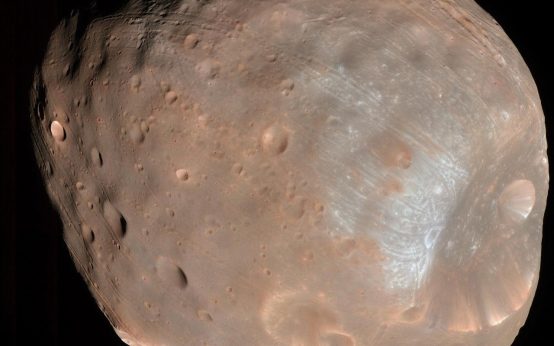 Japanese Spacecraft Embarks on Mission to Explore Martian Moons