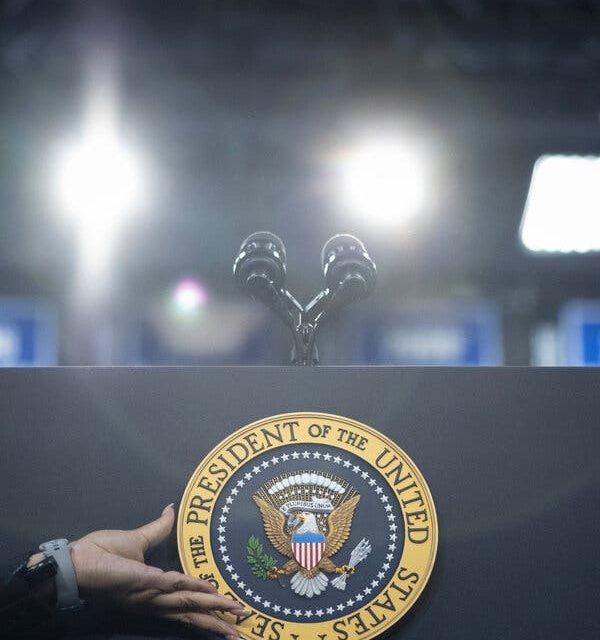
The United States Constitution aimed to create a powerful yet restrained executive branch. The men who drafted the document understood the risks involved in establishing a novel office like the presidency. Benjamin Franklin, during the Constitutional Convention of 1787, remarked on the potential for a presidency to evolve into a monarchy.
The framers recognized the hazards of empowering a chief executive who might become king-like. They sought to balance decisiveness and responsibility in the presidential office while ensuring a constitutional system that could contain abuses of power. Differences emerged among them regarding the best way to achieve this balance.
Alexander Hamilton favored a strong president, even suggesting a lifetime term. Writing in The Federalist Papers, he expressed concern more about populists than those who favored firm governance. He noted that many who undermined republics started as demagogues and ended as tyrants.
As the nation marks its 250th anniversary, some constitutional scholars question whether the document offers the equilibrium envisioned by its framers. The second Trump presidency, they argue, highlights these concerns.
 RNC Sues New Jersey Over Voter Roll Transparency
  Karoline Leavitt on Trump’s Tense Calls with Putin and Xi
  Randy Fine’s Bold Stance on Foreign Policy and Domestic Issues
  Political Strategies for the Upcoming Midterm Elections
  Trump Considers Diesel Export Ban Amid Rising Fuel Prices
  Texas Senate Race: Talarico Takes Lead in Youth Vote