
The recent tariffs imposed by President Donald Trump have sparked questions about their alignment with the goal of combatting forced labor in supply chains. If the aim were truly to address this issue, the structure of the tariffs would differ markedly.
On Friday, the president announced new import taxes that affect multiple countries. However, countries like Japan and New Zealand find themselves subjected to the same tariffs as China, despite differing records on forced labor.
Additionally, the tariffs include exemptions for oil and gas imports. This raises further questions about the genuineness of the administration’s commitment to countering forced labor across global supply chains.
The decision to broadly apply these tariffs, while excluding certain key resources, suggests a complex balance of economic and political considerations at play.
These measures, meant to exert pressure and enforce ethical supply chains, have thus become a focal point for analysis and debate regarding their efficacy and intention.
Understanding the nuances of these tariffs and the countries affected can clarify the broader goals of the president’s trade policies.
 Trump’s Media Ban Affects Event Coverage
 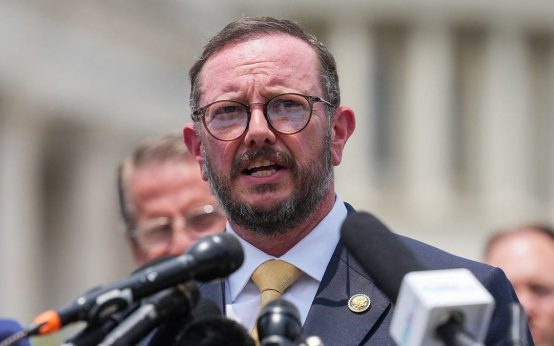 A Critical Perspective on National Spending and Healthcare from Representative Eric Burlison
 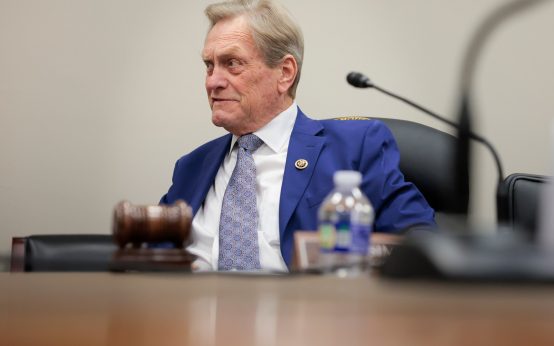 House Republican Criticizes Funding for Trump’s Arch Proposal
 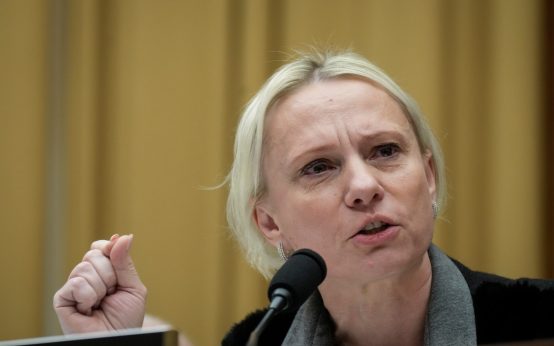 House Bill Proposes Dual Benefits for Combat-Injured Veterans
 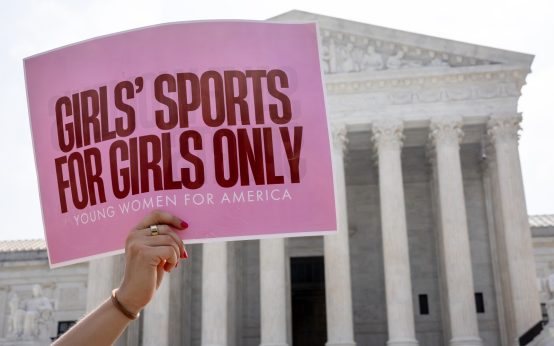 Democrats Navigate Transgender Athlete Debate Amid Midterm Elections
 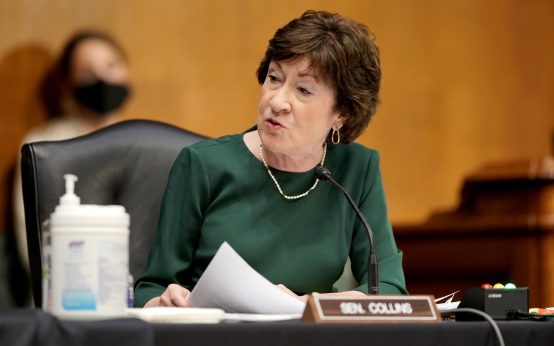 Senator Collins Warns Against Politicization of NIH Grant Funding