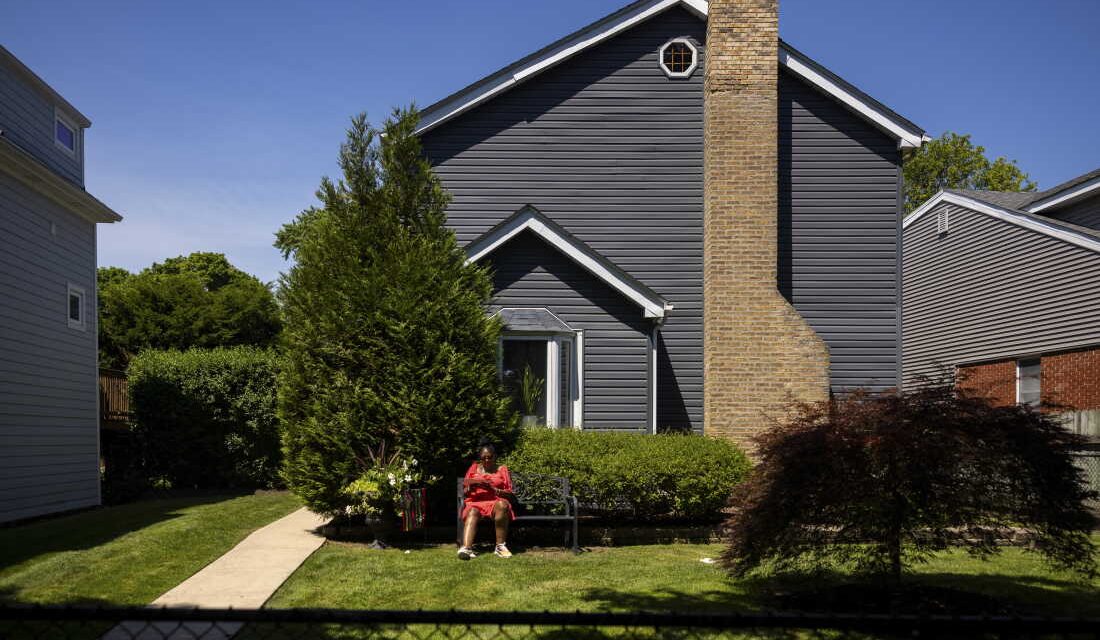
Kimberly Holmes-Ross, from Evanston, Illinois, was the first in her family to live outside the 5th Ward, historically the only part of the city accessible to Black residents. She now lives in the 2nd Ward and is using reparations funds to convert her basement into an apartment for her son.
Evanston’s reparations program, the first in the U.S. to address historical discrimination against Black people, began compensating Black residents for past housing segregation. Residents like Allie Zemtseff witnessed racial discrimination first-hand and have benefitted from the program. She received a $25,000 grant to renovate her kitchen, along with an apology from the city.
Since its inception in 2021, Evanston has awarded $25,000 grants to over 300 individuals, reigniting the conversation around reparations for African Americans. The program seeks to address and correct historical housing discrimination.
Despite its progress, the program is under threat from the Trump administration, which argues it promotes racial inequality. In June, the Justice Department joined a lawsuit challenging the program. They claim it violates the Constitution’s equal protection clause by only qualifying Black residents.
Alvin Tillery, a Northwestern University professor, emphasizes the program’s significance as a civil rights issue. Critics argue that providing benefits based on race perpetuates inequality. Harmeet Dhillon of the Justice Department calls the program discriminatory.
Robin Rue Simmons, a former Evanston City Council member, initiated the program after researching the shrinking Black population in the city. She linked it to a 1921 zoning law that confined Black residents to a single neighborhood. The city committed $20 million from cannabis sales and real estate transfers for reparations.
Criticism centers on the program’s eligibility criteria, which require proof of residency in Evanston during the era of housing segregation. Judicial Watch’s lawsuit argues that the program’s focus on race rather than specific discrimination cases violates constitutional equality.
Evanston Mayor Daniel Biss defends the program, stating that it aims to rectify the wealth gap created by past racial discrimination. Reparations experts warn that the legal challenge could hinder future efforts nationwide.
Kimberly Holmes-Ross reflects on her family’s deep roots in Evanston. Her grandparents migrated there in the early 1900s. The reparations program allowed her family to revisit their past, providing vital documentation of their history.
As legal proceedings unfold, Evanston leaders remain committed to supporting eligible residents. Rue Simmons continues to advocate for reparations initiatives and encourages other cities to pursue similar efforts thoughtfully.
 The Impact of Arts and Closure on Democracy
 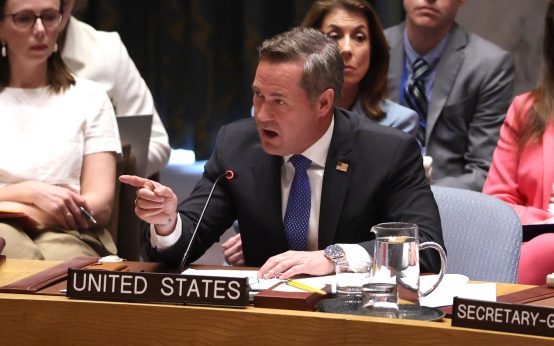 U.S. Ambassador Comments on Iran War Duration Amid Political Concerns
  US-China Relations Under Scrutiny: Expert Warns of Escalating Tensions
  No Timeline for End of Iran Conflict
  German Chancellor Merz Vows to Pursue Reforms Despite Election Setbacks
  The Technology Rivalry: Trump’s Meeting with Xi and the AI Ecosystem Clash