The European Union is poised to introduce significant changes in its approach to handling irregular migration and asylum seekers. The new European Migration and Asylum Pact is set to roll out across all 27 member states, aiming to address the shortcomings of the previous system. This initiative has been a product of intense negotiations over several years.
Implementation Challenges
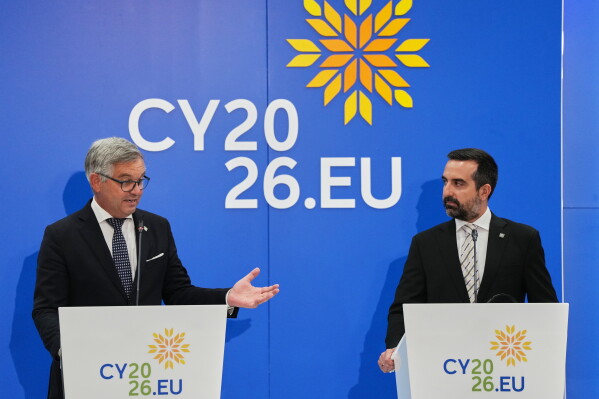
All EU member states were expected to be ready by the implementation deadline, adapting their laws, staff training, and border infrastructure. Despite this, the European Commission admits that no country is fully prepared. Magnus Brunner, the European Commissioner for Migration, welcomed the pact as a milestone but emphasized it marks the beginning of a new journey.
Concerns Raised by Human Rights Advocates
Human rights advocates have voiced concerns about the potential negative impacts on asylum seekers seeking refuge within the EU. The new regulations introduce streamlined border procedures that may complicate their quest for protection.
Details of the New Screening Process
The pact introduces a unified screening process at EU borders, allowing for up to seven days of evaluation before foreigners are admitted. This approach replaces the varied methods previously used by individual countries.
Hans Leijtens, Executive Director of Frontex (Europe’s border security and coast guard agency), highlighted that the pact aims to standardize procedures across the member states. Asylum seekers identified as security threats or originating from countries labeled as ‘safe’ by the EU will undergo expedited procedures lasting three months.
Applicants may be held at the border pending case assessments, with a single opportunity to appeal if their application is rejected.
Data Management and Infrastructure Enhancements
Countries need to adopt Eurodac, a biometric database designed to register and store information about adults and children as young as six years. Infrastructure improvements are required for efficient screening, processing, and detention activities. Independent rights monitoring at borders is also imperative.
Efforts to Expedite Returns
A key component of the pact involves the swift issuance of return orders for refused asylum applicants. This measure is politically charged and supported by center and far-right leaders who gained power across the EU in 2024.
The European Agency for Asylum reported around 802,000 pending first-time asylum applications as of March. Member states are exploring options for ‘return hubs’ in third countries for those unable to be repatriated.
Shared Responsibility
Sharing the responsibility for asylum seekers among EU nations remains a contentious issue. Front-line countries like Greece and Italy have noted an unequal distribution of irregular migrant arrivals.
The pact introduces a solidarity mechanism, enabling countries to absorb asylum seekers or provide financial assistance to compensate. Secondary movements, where migrants shift between countries, allow member states to offset their share.
Some nations were dissatisfied with the arrangement. Poland continues to deny asylum, citing security threats from Belarus. Hungary’s new leader, Péter Magyar, maintains restrictive policies.
Implementation Timeline and Uncertainties
The Commission admits full readiness won’t happen immediately. Susan Fratzke from the Migration Policy Institute remarked that the changes wouldn’t take effect instantly.
Susanna Zanfrini from the International Rescue Committee highlighted that the implementation phase creates ambiguity for both asylum seekers and support organizations.
Criticism from Human Rights Groups
Human rights organizations criticize the pact for undermining asylum rights by hastening assessments, potentially leading to racial profiling and denial of legitimate protection claims.
Judith Sunderland from Human Rights Watch stated that the pact denies vulnerable individuals the dignity and fair consideration they deserve.
Lukas Gehrke from the International Organization for Migration argued that while deportations increase, funding for integration programs must also be enhanced.
 Tom Kim’s Unique Opportunity at the Presidents Cup and Asian Games
  Tibet-Nepal Flood Crisis and its Wider Implications
  U.S. Allies Question American Reliability Amid Global Tensions
  Pope Leo XIV’s Pilgrimage to Lourdes and His Stand Against Assisted Suicide
  Challenges in Negotiating an End to the Iran Conflict
  World Leaders Quote Diverse Sources at U.N. General Assembly