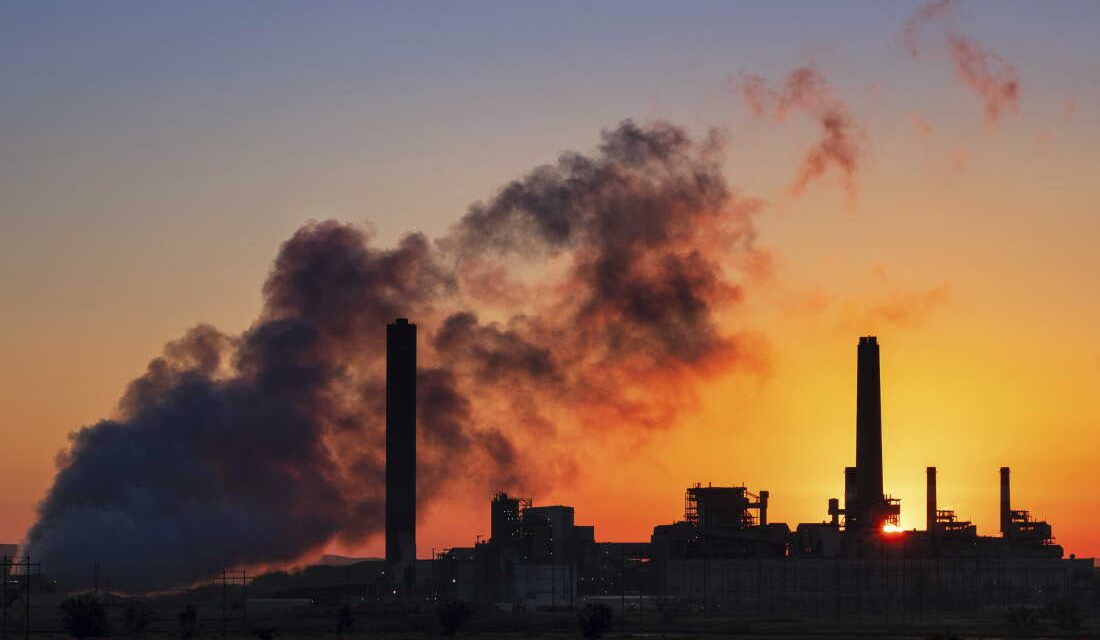
The silhouette of a coal-fired power plant against the morning sun on July 27, 2018, in Glenrock, Wyoming stands as a backdrop to significant policy changes in the U.S. power sector. The Environmental Protection Agency (EPA) announced on Monday its decision to repeal limits on greenhouse gas emissions from fossil fuel-fired power plants.
Under the Trump administration, this repeal marks a notable shift in regulatory actions, described by the EPA head as the largest deregulatory move in the U.S. power sector’s history. Previously, EPA rules under the Biden administration required both existing coal and new natural gas-fired power plants to reduce carbon dioxide emissions substantially, starting in the 2030s.
Power plants rank as the second biggest source of carbon dioxide emissions in the U.S., surpassed only by transportation. EPA Administrator Lee Zeldin, in a press conference, stated that efforts by the Biden and Obama administrations to reduce planet-heating pollution correlated with increased energy prices and hindered the U.S. from achieving its full energy potential.
“The days of Biden and Obama working to destroy natural gas and coal are over,” Zeldin noted.
While Zeldin highlighted the repeal, financial analysis shows large solar and wind projects as more cost-effective than natural gas and coal. He shared his remarks in Houston during the G20 Energy Summit. Zeldin stated additional EPA proposals aimed to rescind remaining greenhouse gas standards for power plants.
Environmental advocacy groups have raised concerns, arguing that repealing these rules would elevate pollutants detrimental to human health. Gudrun Thompson, senior attorney at the Southern Environmental Law Center, stressed the significance of the rules.
“These rules are really important, not just for our climate, but also to protect public health from the dangers of local air pollution,” Thompson expressed.
Despite historical challenges, environmental groups plan to contest the decision legally. The regulatory battles over power plant emissions date back to the Supreme Court’s 2007 Massachusetts v. EPA ruling, mandating the EPA to regulate greenhouse emissions under the Clean Air Act.
The 2009 endangerment finding by the EPA identified greenhouse gas pollution as a human health threat. Subsequently, the Obama administration proposed the Clean Power Plan in 2014, aiming for a 32% reduction in carbon dioxide emissions from power plants by 2030 from 2005 levels. Legal disputes hindered its implementation, although the U.S. achieved the target ahead of schedule through natural gas advancements and renewable energy growth.
Trump’s administration replaced the Clean Power Plan in 2019, permitting higher emissions levels. When President Biden took office in 2021, his agenda was focused on eliminating power sector climate pollution by 2035.
In 2022, the U.S. Supreme Court restricted the EPA’s scope, requiring specific legislative approval for broad energy shifts away from fossil fuels. In response, the EPA designed regulations targeting individual power plants.
Notwithstanding these efforts, the emissions limits reversal by the Trump administration comes amidst global climate concerns. Last month registered as the hottest globally, attributed to climate change and a developing El Niño pattern. Professor Michael Gerrard from Columbia University’s Sabin Center for Climate Change Law emphasized the urgent need to curb emissions.
“2026 is shaping up to be the warmest year in recorded history,” Gerrard warned, “and we haven’t seen anything yet.”
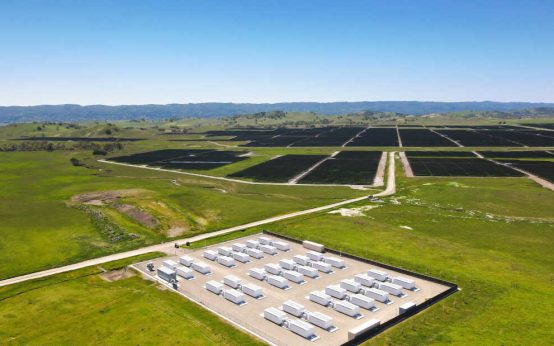 How Battery Innovations Transform Renewable Energy
  Data Centers Stir Controversy in Texas Amid Growth Boom
  Urgent Archaeological Efforts in Quinhagak Stay Ahead of Erosion
 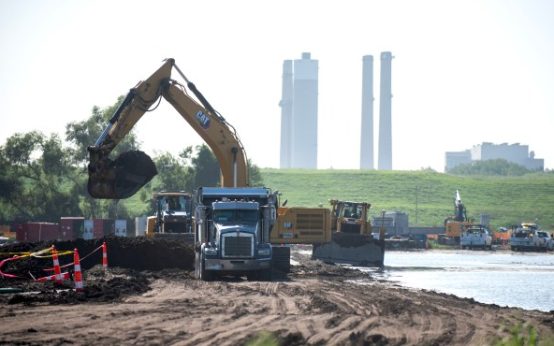 Concerns Rise Over NIPSCO Permit In Jasper County
  Reader Reactions on Grizzlies and Data Centers
 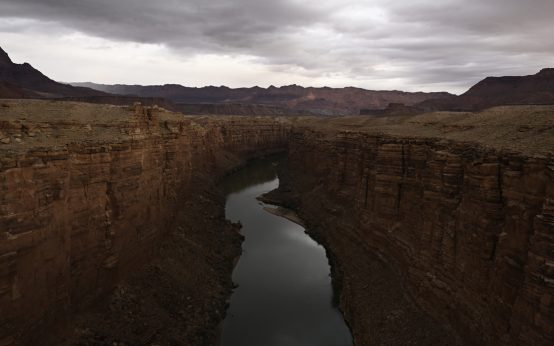 Managing the Crisis of Drying Rivers