Eaton Fire Cleanup: EPA’s Evaluation
After analyzing soil samples from about 1% of homes affected by the Eaton Fire, the U.S. Environmental Protection Agency (EPA) assures residents that most properties cleared by the U.S. Army Corps of Engineers do not contain hazardous levels of lead. Concerns, however, are voiced by outside scientists.
Extent of the Fire and Lead Concerns
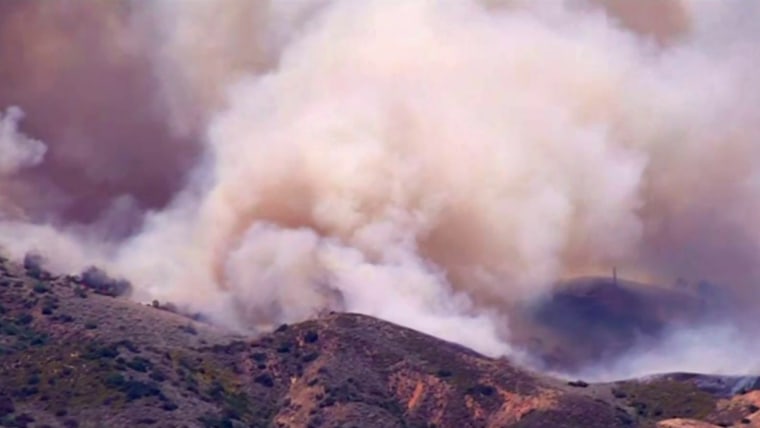
The Eaton Fire in January 2025 destroyed 9,400 homes and structures in the Altadena area. Smoke carrying lead, arsenic, and asbestos spread in the vicinity, prompting health concerns. Lead is a known neurotoxin, particularly harmful to children’s development.
Findings from EPA Testing
The EPA randomly tested 100 homes within the debris cleanup zone. The results indicated that only five sites exceeded EPA screening standards for lead. Seventeen sites failed California’s stricter standards. The median concentration of lead across tested properties was well below both state and federal concern levels, according to an EPA news release.
“That should really give residents confidence that the work that the Army Corps did addressed the fire-related contaminants, particularly lead,” said Michael Montgomery, director of the EPA Region 9 Superfund and Emergency Management Division.
Montgomery affirmed that the survey results are extrapolated to cover the entire affected area with 95% confidence.
Residents’ Concerns and Independent Testing
Contamination fears persist in Altadena, where older homes had materials containing lead. The Army Corps cleared debris from about two-thirds of burned homes but did not conduct soil testing, leaving unresolved concerns.
Independent tests by academic scientists, consultants, and private groups have generated mixed results, fueling anxiety.
Skepticism from Academia
Andrew Whelton, a professor at Purdue University, questioned the EPA’s methodology. He argued the sampling approach may overlook specific hazardous spots, leading to misleading average figures.
“The results they have are not representative of the Eaton Fire area,” Whelton said. “They were collected in a way that cannot be compared to existing data other organizations are collecting.”
Debris Removal and EPA’s Study Design
Scrutiny surrounds the debris removal process, with reports of inconsistency. Whistleblowers claimed the cleanup was rushed, sometimes leaving debris behind.
Montgomery noted that FEMA prompted EPA testing due to concerns from officials and residents. The EPA’s study aimed to offer a comprehensive view of contamination levels. It involved collecting soil from multiple locations within the ash footprint of the properties.
The EPA pooled soil from various spots to create composite samples for surface and sub-surface layers. Below the surface, the median lead concentration measured was 43 mg/kg, under the threshold levels.
Potential Hot Spots of Contamination
Concerns persist that pooling methods might dilute specific contamination hotspots. Only areas within the Army Corps’ scraping zones were tested, potentially overlooking sites with higher levels.
An area showed worrying contamination levels with an average lead concentration of 705 mg/kg, nearing levels classified as hazardous waste.
“That means the entire property came back hot,” Whelton said, noting significantly elevated areas within the property. “There were likely portions of that property much higher.”
This continues to raise questions about whether existing cleaning efforts adequately remove hazardous materials.
 Durham’s HEART Program: A New Approach to Public Safety
  Missouri’s Abortion Policy: Conflicting Amendments and Voter Decisions
  Philanthropic Shift Towards Supporting Women in Midlife
  Remote Work Benefits Students and Societies Alike
  Challenges and Changes in the 911 Call Taking System
  Measles Exposure in Philadelphia Raises Health Concerns