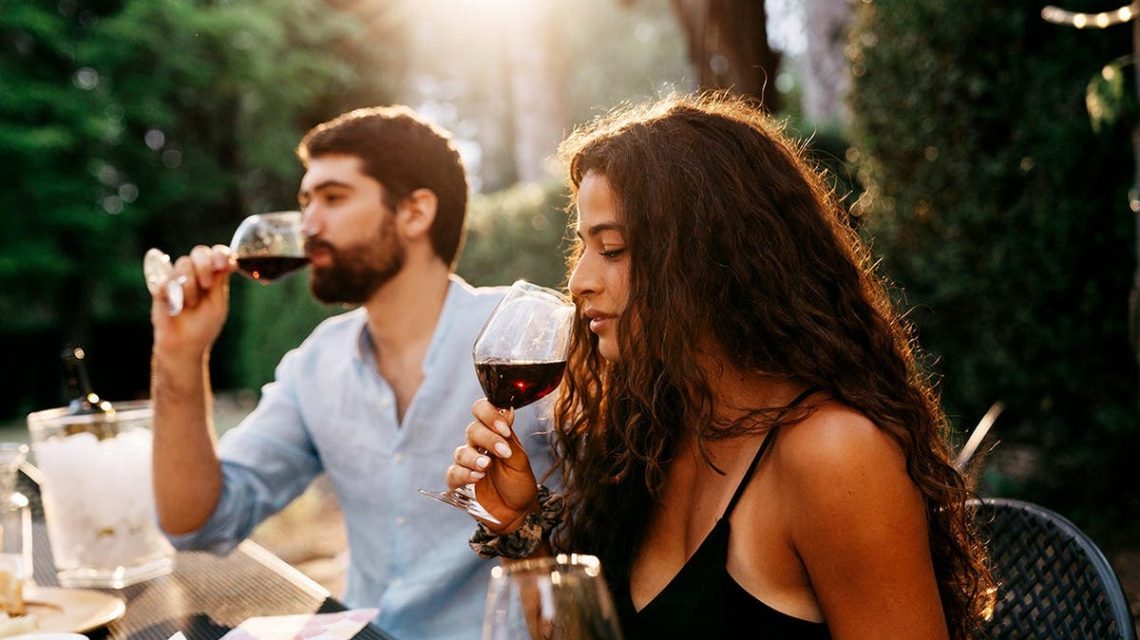
The experience of wine tasting can be refined with a few simple tips. While it may seem intuitive to drink water to cleanse your palate before tasting, sommelier and wine educator Sarah Looper advises against it. She explains that anything introduced to the mouth before the first sip of wine can alter the wine’s true flavors.
Understanding the Wine Tasting Process
Looper, based in New York, recommends tasting the wine several times to judge it accurately. The first sip sets the baseline and should coincide with smelling the wine to enhance the tasting experience. This process involves retronasal olfaction, where aromas travel from the mouth to the nose, influencing flavor perception.
Variations in individual palates are influenced by factors like oral pH and taste sensitivity. Consuming different foods or drinks, such as a sugary soda or an Old-Fashioned cocktail, can significantly alter palate sensitivity and thus affect wine evaluation.
The Importance of Patient Tasting
Looper suggests that the key to resetting your palate isn’t water but patience. Taking time before the first sip helps the brain adapt to the wine. Subsequent sips reveal the wine’s intended profile, allowing for appreciation of its full bouquet.
Wine flavors evolve once the wine interacts with oxygen, and these changes can enhance the tasting several minutes after pouring. Thus, patience is crucial for a full tasting experience.
Preparation for Wine Tasting
On professional tasting days, Looper has a routine comparable to an athlete preparing for a game. She brushes her teeth early, drinks black coffee to reset her palate, and only consumes water on the way to the venue. Her advice highlights that hydration is important, but timing it ensures the palate settles naturally before a wine tasting.
Personalizing Your Wine Experience
Looper resonates with the idea that wine tasting should cater to personal preferences. By first smelling the wine, taking small sips, allowing them to coat the palate, and pausing between sips, one can notice how the aromas and flavors develop. This approach encourages wine enthusiasts to bend traditional rules to discover what tastes best to them.
Ultimately, the pleasure derived from wine comes from understanding and enjoying what works for you.
 Jaxson Dart’s Season-Altering Injury and Marissa Ayers’ Support
  Sunday Reflections and Football’s Ups and Downs
  Crafting the Ideal Sports Bar Experience
 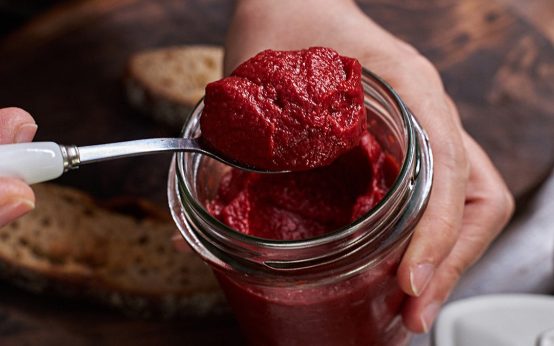 Tomato Paste Consumption: Effects on Cognitive Functions
  Addressing Grief and Parenting in Widowhood
 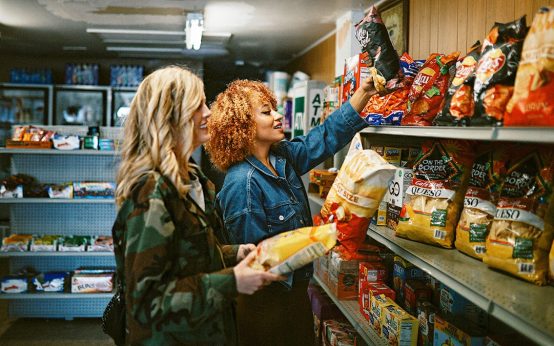 PepsiCo’s Response to US Snack Volume Issues and Grocery Product Discontinuations