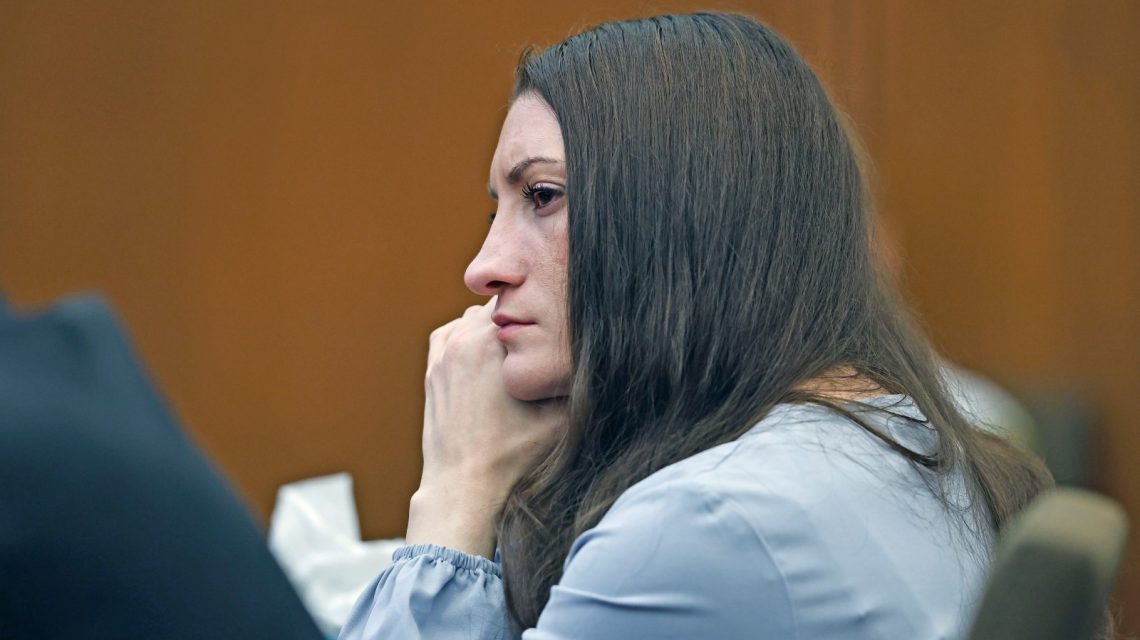
Jurors were deeply affected by the closing arguments in the Lindsay Clancy trial. Both the defense and prosecution presented contrasting views regarding Clancy’s mental state when she killed her children.
Defense’s Argument
Defense attorney Kevin Reddington asked jurors to view Clancy as severely ill. He cited postpartum psychosis, bipolar disorder, and inadequate medical care as factors in her mental decline. He described her as a mother in distress, seeking but not receiving proper treatment. His argument moved some jurors to tears.
“My God, what does she have to do?” Reddington exclaimed, highlighting Clancy’s repeated attempts to find help.
Reddington maintained that Clancy’s actions stemmed from a drastic psychiatric breakdown.
Prosecution’s Argument
Assistant District Attorney Jennifer Sprague recognized Clancy’s mental illness but argued it did not impede her awareness of her wrongful actions. Her presentation included a vivid description of the children’s final moments, aimed at portraying deliberate acts by Clancy.
Sprague argued Clancy was aware and in control, using her husband’s absence strategically. Protestations by the defense did not convince her, as she believed Clancy had planned the events, demonstrating premeditation.
Key Moments in Closing Arguments
1. Emotional Appeal by the Defense
Reddington described Clancy as a dedicated mother failed by inadequate psychiatric care. His emotional appeals resonated with the jury.
2. Dramatic Coin Prop
Reddington used coins to symbolize the prosecution’s unfairness. He placed quarters on the prosecution’s table to illustrate his point. Sprague later countered by utilizing one of the coins, illustrating the contentious nature of the arguments.
3. Harsh Imagery by the Prosecution
Sprague used vivid imagery to depict the children as “discarded on the basement floor like broken toys.” This impactful description affected jurors and Clancy alike.
4. Patrick Clancy’s Absence
Prosecution focused on the timeline around Patrick Clancy’s absence. They argued Clancy used this time to commit the crimes, suggesting deliberate action.
5. Right from Wrong Debate
Central to the trial was whether Clancy could discern right from wrong. Both the defense and prosecution focused on her mental capacity and awareness.
Jury’s Deliberation Outcome Options
- First-degree murder: Guilty leads to life without parole in Massachusetts.
- Second-degree murder: Guilty results in life with possible parole.
- Manslaughter: Carries a maximum sentence of 20 years.
- Not guilty: Would mean a failure to prove criminal responsibility despite Clancy’s admission.
- Not guilty by reason of lack of criminal responsibility: Would lead to psychiatric commitment, not immediate freedom.
Jurors must agree unanimously. A mistrial could occur if no consensus is reached, potentially leading to another trial. The verdict remains undecided as deliberations continue.
 Juror’s Stand Leads to Mistrial in Lindsay Clancy Case
  Maryland Parents Arrested After Infant’s Death with Severe Injuries
  Jury Deliberations in Lindsay Clancy’s Murder Trial Stir Controversy
  Surrogate Resists Abortion, Appeals to Supreme Court in Legal Dispute
  Inmates File Lawsuit Over Fires and Smoke in D.C. Jail
  Former CIA Chief Subpoenaed in Justice Department Investigation