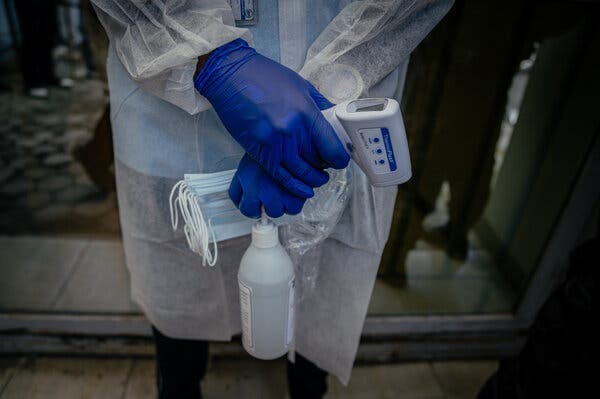
The Ebola crisis in East Africa is worsening, with confirmed cases in major urban areas such as the Democratic Republic of Congo and Uganda. Public health officials and on-ground health workers note the lack of U.S. involvement has severely impeded response efforts.
The U.S. previously played a crucial role in funding disease surveillance and deploying emergency response teams in the region. These efforts ceased following the shutdown of the U.S. Agency for International Development last year. Additionally, the CDC has lost many experts, including vital personnel in the Democratic Republic of Congo.
Individuals who had worked on past Ebola outbreaks are concerned. They believe this outbreak went unrecognized internationally for weeks, potentially even months, due to weakened surveillance capabilities.
The U.S. only became aware of the outbreak nine days after the World Health Organization and almost a month after the first death.
The delay in confirming the outbreak involved transporting samples at incorrect temperatures, a task formerly managed by USAID. The World Health Organization reported 600 infections and 139 deaths as of Wednesday, with expectations of rising numbers as testing and contact tracing intensify.
Confirmed cases in Goma, a Congolese city near Rwanda, in Bunia, and Kampala, the capital of Uganda, indicate the virus’s substantial spread. Goma is approximately 350 miles from the initial outbreak locations.
 The Controversy Surrounding the National Vaccine Injury Compensation Program
  A Family’s Journey with Sickle Cell Disease
  Jeremy Scott: Navigating Life with Early-Onset Alzheimer’s
  Understanding the Q-Collar’s Role in Brain Protection for Athletes and Soldiers
  Understanding and Addressing Everyday Memory Lapses
  The Impact of Private Equity Ownership on Hospitals