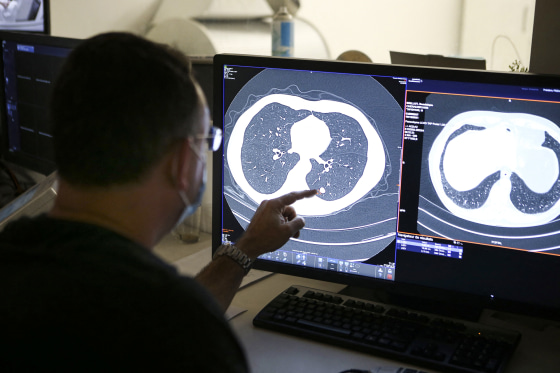
An early clinical trial has demonstrated promising results, with one-third of patients suffering from advanced lung cancer experiencing tumor shrinkage. As larger trials are prepared, the focus remains on this potential breakthrough.
The trial specifically concentrated on patients with advanced non-small-cell lung cancer, who had already undergone standard treatments like chemotherapy. Despite previous interventions, the new treatment showed encouraging effects.
Published in the New England Journal of Medicine, the results from Wednesday highlight the potential of a pancreatic cancer drug in treating the most prevalent form of lung cancer. The findings could pave the way for alternative therapeutic options for patients who have exhausted conventional methods.
While this development brings hope, it also emphasizes the importance of continued research as larger-scale trials seek to confirm and extend these findings.
 Medical Diagnosis Errors: Understanding the Crisis
  Lymphatic Drainage and Ice Sculpting: Emerging Wellness Trends
  The Rising Trend of GLP-1 Medications Among College Students
  The Challenges and Opportunities of Testosterone Therapy for Menopausal Women
  Long-Term Health Impacts of 9/11 and the Continuing Response
  Mental Health Challenges for Women with Type 2 Diabetes