
The European Union faces challenges as it endeavors to reduce its reliance on fossil fuels. Despite efforts to diversify energy sources, E.U. countries have continued to import significant amounts of liquefied natural gas (LNG) from Russia.
In the first half of this year, imports from Russian-owned Yamal LNG reached 9.89 million tons. This marks an 18 percent increase compared to the same period last year. The dependency on Russian LNG paints a complex picture for the E.U., which has aimed to shift towards sustainable energy alternatives. However, geopolitical and economic dynamics have contributed to this growing reliance.
Russian President Vladimir Putin’s recent visit to a drone exhibition in Moscow further demonstrates Russia’s ongoing influence in various sectors. The exhibition highlights technological advancements in which Russia has vested interests.
E.U.’s struggle to break away from fossil fuels underlines the difficulty in meeting energy needs while pursuing environmental goals. The increase in LNG imports raises questions about the effectiveness of current policies and the balance between energy security and environmental commitments.
 The Cost of Challenging Beijing
  Tensions Escalate in Iran Conflict as Global Leaders Weigh Options
 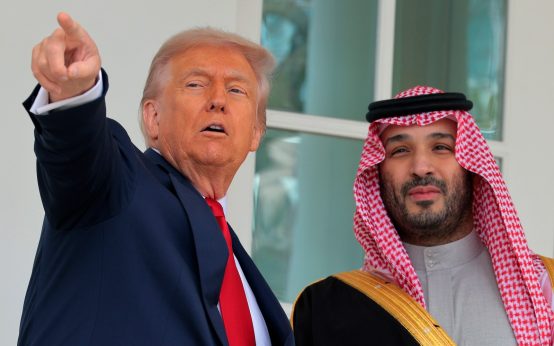 White House Approves F-35 Sales to Saudi Arabia Amidst Regional Tensions
  Inside the Secret Deals Powering the President’s Push to Deport Migrants to Countries Not Their Own
  Navigating the Challenges of Third-Country Deportations
  Midair Altercation on Bangladesh to London Flight