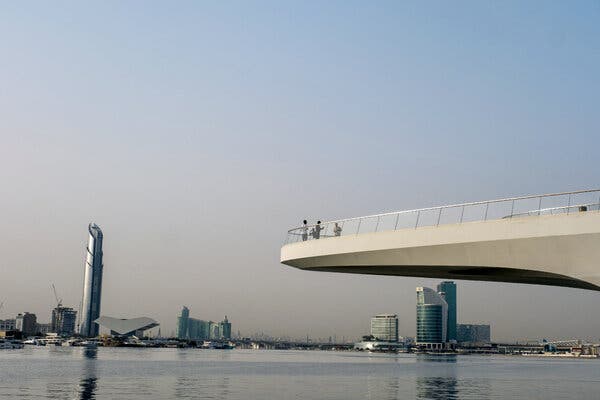
Dubai has long been seen as the ultimate symbol of globalization in the Persian Gulf. Unlike its neighbors, heavily reliant on oil, Dubai’s economy thrives on trade, tourism, finance, and logistics. This diversification, however, faces a stern test as conflict spreads across the region.
On February 28, Iranian drones and missiles disrupted the city’s sense of safety. The attack left a trail of destruction, impacting landmarks such as the Burj Al Arab, which remains closed months after the incident. Nearby, Jumeirah Al Qasr shows resilience, maintaining its luxurious premises, yet its grand entry stands eerily vacant.
The conflict has severely affected air travel and maritime trade, pivotal to Dubai’s economic model. Other Arab nations hold onto oil economies, but Dubai prides itself on stability derived from a diverse economy. This war challenges the city’s foundational model.
As Jim Krane, a research fellow at Rice University and author of “City of Gold: Dubai and the Dream of Capitalism,” explains, Dubai flourished by acting as a magnet for global talent and business. It attracts people who easily navigate international borders.
“It’s also the big disadvantage when things go wrong,”Krane notes.“Capital can flee, and the people can, too.”
While the city’s resilience is tested, observers watch closely to see if Dubai can sustain its role as a global business hub amid uncertainty.
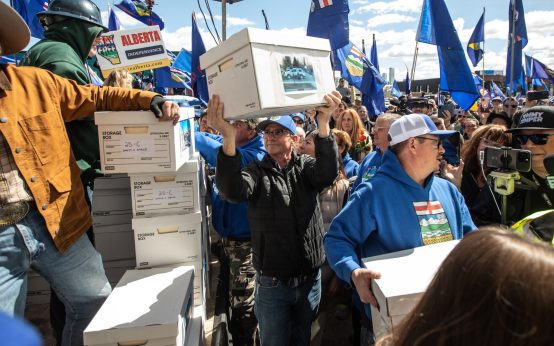 Scrutiny Over Alberta Separatists’ Alleged Offer to the U.S.
 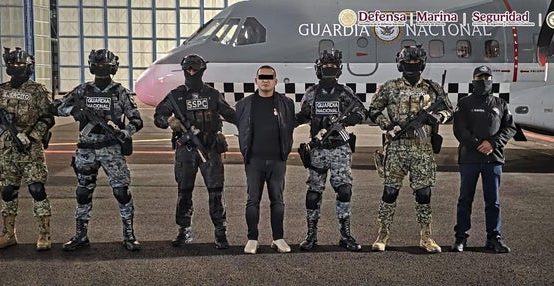 Alleged Cartel Leader Arrested in Mexico
 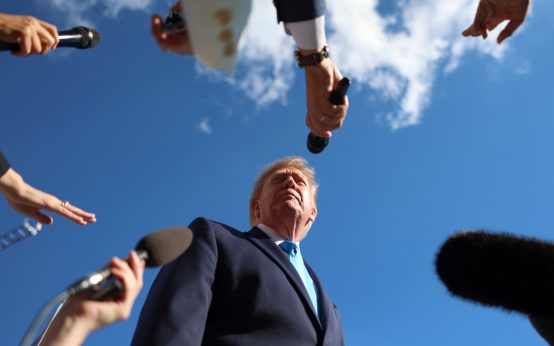 Trump Orders Nidal Hasan’s Execution by Firing Squad
 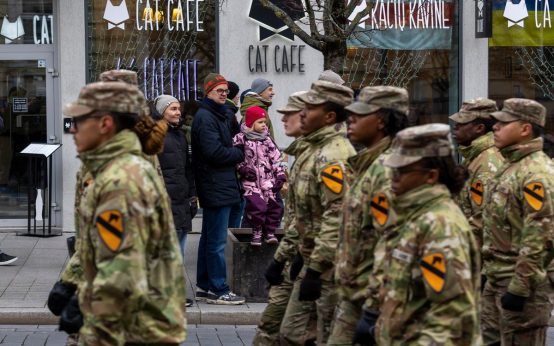 Russia Criticizes Potential U.S. Military Base and Nuclear Plan in Lithuania
  Trump’s Political Sway in Latin America’s Elections
  Flávio Bolsonaro’s Strategic Decision in Presidential Campaign