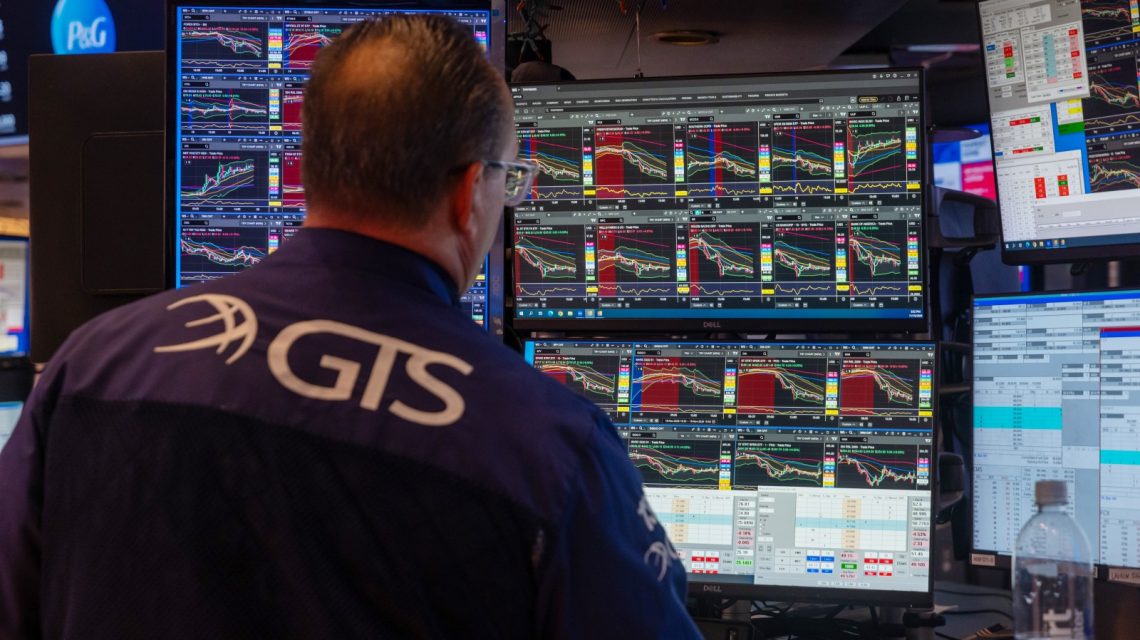
The Dow Jones Industrial Average fell sharply on Thursday, decreasing over 1,100 points and dropping below the critical 50,000-point mark. This decline highlighted during Pam Bondi’s congressional testimony on Jeffrey Epstein has once again captured attention. Bondi, then attorney general, used the index’s performance to defend the Trump administration amidst questions regarding the Department of Justice’s handling of the Epstein investigation.
The index lost 1,101.11 points or 2.19 percent, closing at 49,097.06. The S&P 500 also decreased by 2.02 percent, ending at 7,175.83, while the Nasdaq Composite fell by 2.25 percent to finish at 23,879.20. The sell-off was driven by growing concerns over the artificial intelligence sector, regulatory scrutiny, and potential Federal Reserve interest rate hikes.
Nvidia’s stock exemplified this concern, reversing early gains after reporting better-than-expected quarterly results yet dropping 3.3 percent to $145.98. This return to late 2024 levels indicated that despite solid performance figures, investor sentiment remains fragile.
“The S&P at almost 7,000, and the Nasdaq smashing records. That’s what we should be talking about,” Bondi remarked during a hearing, attempting to shift focus from the Epstein issue to the administration’s economic achievements. Nevertheless, lawmakers questioned the relevance of markets to the hearing topic.
Bondi highlighted the Dow’s achievement as a hallmark of economic progress under President Trump, making it a political focal point. The 50,000 figure itself was never a formal economic milestone, but Bondi’s use of it during her testimony gave it significance.
Adding to market anxiety, Nvidia disclosed impressive earnings, reporting $2.68 per share on $115.84 billion revenue, surpassing Wall Street forecasts. Yet, regulatory investigations by the SEC and leadership uncertainty have increased concerns.
The Dow closed above 50,000 for the first time on February 6, 2026, but has fluctuated since. Thursday’s drop was attributed to similar issues that have troubled the financial markets for some time, such as technology stock uncertainties, inflation fears, and anticipated interest rate hikes.
Peter Schiff, chief economist, remarked that the market could lose all gains seen during Trump’s presidency, attributing potential downturns to political shifts post-midterm elections.
Anthropic’s IPO, debuting with a valuation exceeding $2 trillion, highlighted intrigue in AI stocks despite concerns over an AI bubble. Meanwhile, Federal Reserve concerns about inflation and interest rates contributed to an unstable atmosphere.
Federal Reserve Governor Christopher Waller indicated a possible half-percentage-point rate increase, unsettling investors. High rates typically detract from equity investments, impacting stock valuations.
Healthcare stocks added further pressure on the Dow after a new proposed anti-fraud rule threatened financial disruptions in the sector. Stocks like UnitedHealth Group and Humana saw significant decreases, affecting the overall index due to their substantial weight in the Dow.
Wall Street now faces the challenge of determining whether current market weaknesses are part of a short-term correction or a more extended issue. Investors are searching for signals that inflation will ease, earnings will remain strong, and the Federal Reserve will not aggressively increase rates again soon.
The uncertainty around these factors keeps pressure on the financial markets. The question remains if these forces will stabilize by year’s end, potentially restoring confidence in market performance.
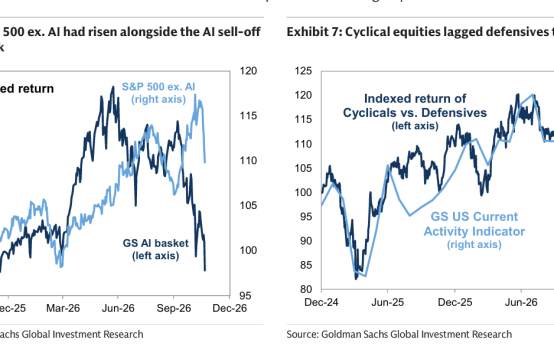 Market Analysis: S&P 500 and Nasdaq Downturns and the Road to Recovery
 Anthropic’s Market Debut and Investor Demographics
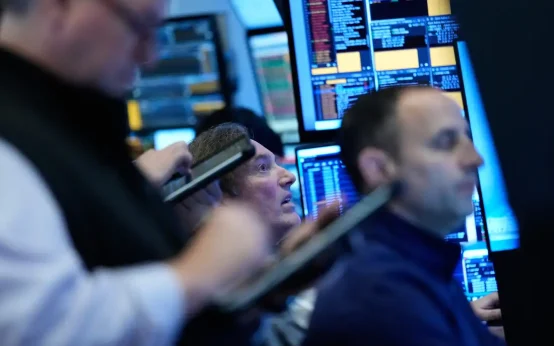 AI Stocks Lead Sharp Decline in S&P 500 and Nasdaq
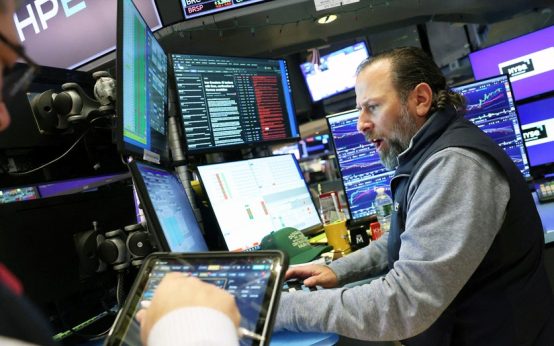 Sharp Decline in Stock Market Amid AI Sell-Off
 Stock Markets Experience Significant Declines
 Optimism Grows for Stock Market’s Year-End Rally