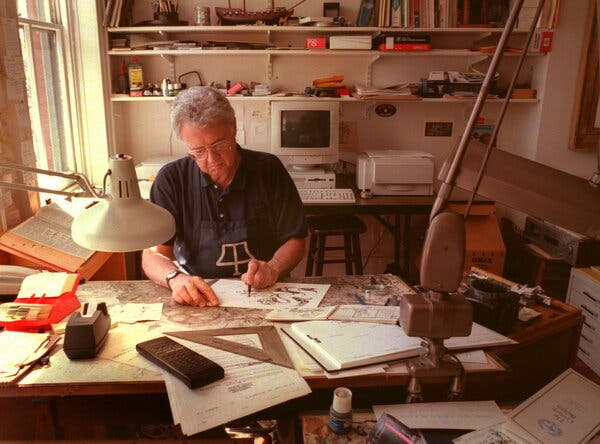
Pat Oliphant, hailed as the leading figure in political cartooning, passed away at the age of 90 in Santa Fe, New Mexico. For over fifty years, his incisive cartoons dissected and criticized presidents, controversial priests, and other figures, captivating newspaper and online readers across America.
According to his son, Grant Oliphant, Pat died at home due to age-related health challenges. He was known for his audacious ability to highlight the darker aspects of those in power, using his fine pen-and-ink skills to create compelling drawings. Born in Australia, Oliphant relocated to the United States as a young man, where he swiftly gained prominence by winning a Pulitzer Prize. Although he later dismissed the accolade, his work became a staple in up to 500 newspapers worldwide and was celebrated with numerous awards. His cartoons were not only prominent in newspapers but also adorned magazines, galleries, and were compiled in books and museums.
Oliphant was largely self-taught and also ventured into creating bronze sculptures and oil paintings. His powerful critiques targeted influential politicians and religious institutions with sharpness and a biting sense of humor. A Washington Post critic famously remarked that if Oliphant had not honed his drawing skills, he might have been an assassin. A 1990 profile by The New York Times Magazine recognized him as ‘the most influential editorial cartoonist now working.’
His scathing style and irreverence often led to comparisons with 19th-century French caricaturist Honoré Daumier. While he inspired many cartoonists, his work also attracted criticism from religious and civil rights organizations. Some accused him of crossing the boundaries of good taste and unjustly tarnishing reputations, and, at times, of racism.
Before Oliphant’s impact, political cartoonists often relied on labels and conveyed a tone of moral outrage. Oliphant transformed this approach by wielding ridicule, often delivering his critiques like a sharp knife. He famously depicted F.B.I. chief J. Edgar Hoover in fishnet stockings and Vice President Dan Quayle in a baby carriage. His portrayals of military excesses during peacetime included generals poised greedily at a public trough. In commenting on the Vietnam War, he drew the Statue of Liberty ignoring a crowd of Asian faces, ironically proclaiming, ‘Send me your tired and huddled masses, your generals, your wealthy classes, your crooks and pimps and bar girls, yearning to breathe free.’
 A Mother’s Tragic Journey Under Abortion Ban
  U.S. Strategic Goals Remain Unmet Amid Prolonged Conflict
  The Impact of Arts and Closure on Democracy
 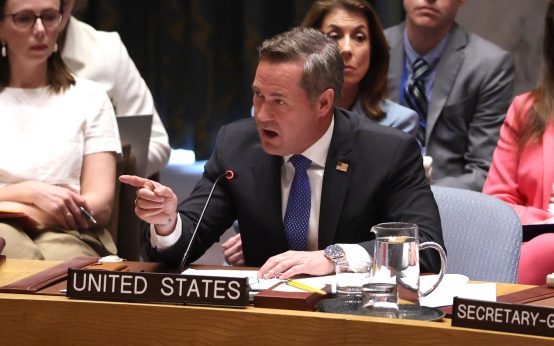 U.S. Ambassador Comments on Iran War Duration Amid Political Concerns
 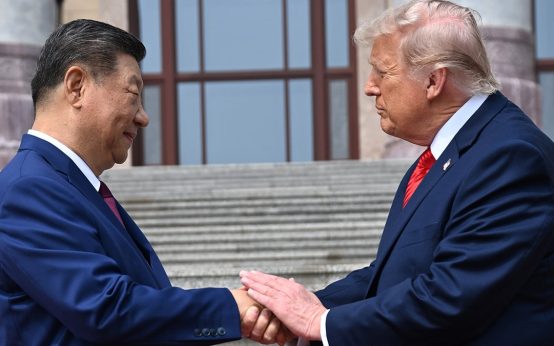 US-China Relations Under Scrutiny: Expert Warns of Escalating Tensions
  No Timeline for End of Iran Conflict