The recent indictment of the Southern Poverty Law Center (SPLC) by the Department of Justice (DOJ) has drawn significant attention. This includes a House Judiciary Committee hearing aimed at examining the role of the SPLC in shaping civil rights policy over recent years. Although the hearing might not reveal new insights, it focuses attention on the organization, which has been involved in left-wing legal actions and has influenced K-12 education for years.
For over ten years, the SPLC has used its civil rights status to advocate for its Learning for Justice program in schools. This initiative, formerly called Teaching Tolerance, offers standards, resources, and lessons under the banner of social justice. Following the racial justice protests of 2020, the SPLC and other similar organizations pushed a far-left political agenda within K-12 education. Their programs are presented to educators as essential resources to reduce bias and hate, close achievement gaps, and address mental health concerns.
The SPLC introduces themes like ‘anti-racism,’ ‘White privilege,’ and ‘Whiteness’ throughout the educational system. This is facilitated by education colleges, activist teachers and administrators, associations, teachers’ unions, and consultants.
Millions in tax funds are directed towards contracts with DEI groups according to watchdog findings.
The SPLC’s reach in education is extensive yet challenging to measure. Hundreds of districts use its materials in lessons, curricula, and racial justice resources, while adopting social justice standards advocated by the organization. The lack of documentation when educators use Learning for Justice content as extra materials or to guide debates on contentious topics further complicates the picture.
Programs like Social Emotional Learning (SEL) have incorporated SPLC’s lessons into their curricula. Organizations like Second Step, Panorama Education, and Yale’s RULER program have hundreds of district contracts.
High school athlete criticizes CIF’s shared podium rule, describing it as demeaning for female competitors.
SPLC content spreads through professional development, teacher unions, and professional associations, including the American School Counselor Association and Parent Teacher Associations. Thousands of districts, knowingly or not, have spread SPLC content that can promote divisive ideas. While these are claimed to address injustice, they may cause friction and dissatisfaction among students.
The DOJ’s indictment has spotlighted the SPLC’s long-standing influence within the K-12 education system. It urges parents, community members, and lawmakers to scrutinize school districts for these biased materials. Schools should eliminate lessons originating from the SPLC, as no student should be compelled to learn from such politically biased content.
Rhyen Staley, the director of Research for Defending Education, emphasizes the need for vigilance. With extensive teaching and coaching experience, he advocates for investigating the presence of biased content in educational environments.
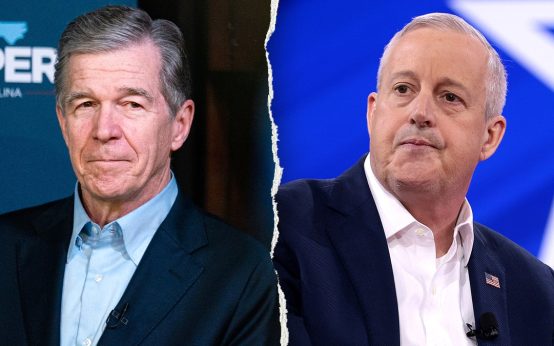 North Carolina Senate Race Influenced by Abortion Policy Messaging
  Concerns Over AI’s Impact on Higher Education Learning
  Trump Pressures Republicans on Filibuster Threat
 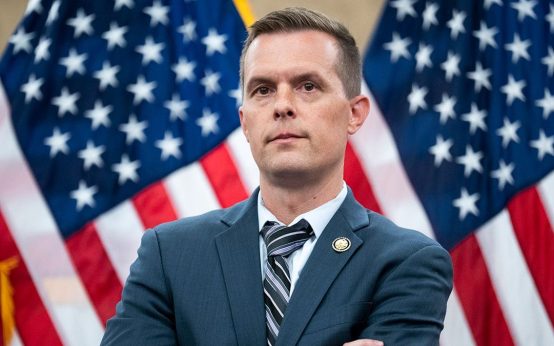 Rep. Golden Endorses Rep. Lawler for Re-election
  Public Perception and Political Impact of Data Centers
 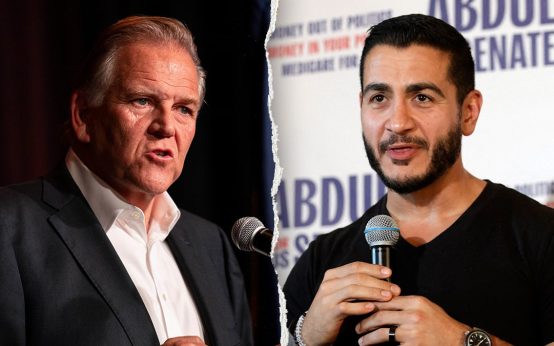 Jewish Democrats in Michigan Shift Support to GOP Candidate in Senate Race