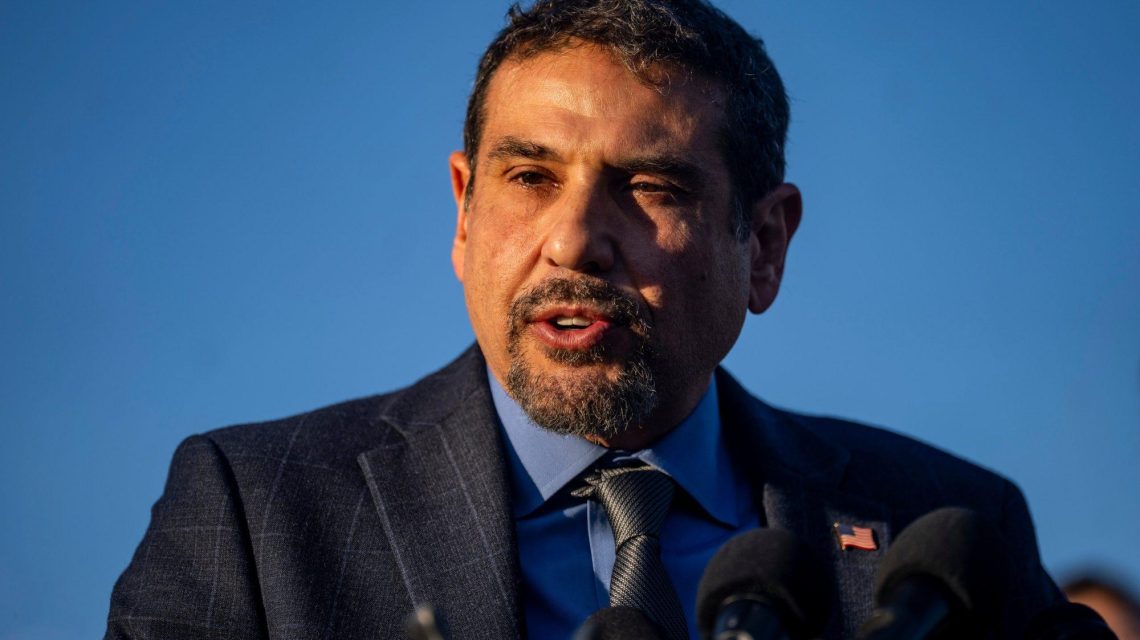
Recent developments in the Democratic Party have sparked significant discussion. Rep.-elect Adam Hamawy (D-NJ) recently addressed the issue of the conflict with Iran at the US Capitol. During a CNN interview, he noted that the US had provoked tensions, prompting criticism from anchor Pamela Brown. She highlighted Iran’s hostile stance towards the US, which Hamawy countered by claiming the US has likewise expressed antagonism towards Iran, a statement few Americans have heard.
This situation raises questions about the Democratic Party’s leadership and candidate selection processes. Criticism centers on Democratic leaders’ reluctance to confront Hamawy’s viewpoints before his nomination. Far-left activists, such as the Democratic Socialists of America, have gained influence within the party. They aim to replace traditional party leadership with candidates who align with their agenda.
Washington Free Beacon reporter Jon Levine raised awareness about Hamawy’s controversial past prior to the New Jersey primary. Levine’s reporting highlighted Hamawy’s connections to Islamic terrorism, including serving as a defense witness in the 1995 trial of Omar Abdel-Rahman. Despite these revelations, other Democratic candidates avoided discussing Hamawy’s history, fearful of being labeled Islamophobic.
The primary election featured a crowded field with ten candidates. Opponents of Hamawy struggled to unify behind a single candidate capable of defeating him, resulting in his nomination with a mere 29% of the vote. Hamawy’s candidacy received substantial support, with external organizations allocating approximately $1.8 million to bolster his campaign. In contrast, his adversaries lacked equivalent resources.
This trend is not isolated. In Michigan, the Chuck Schumer-affiliated Senate Majority PAC invested tens of millions to support Abdul El-Sayed, who later suggested a need for new Senate leadership. This scenario illustrates a recurring pattern where Democratic leaders invest in candidates who challenge established leadership.
The Democratic Party faces internal challenges as it navigates the influence of progressive factions and assesses its leadership priorities. Understanding these dynamics is essential for the party’s future direction.
 Amy Klobuchar Takes On Governorship with Promises for Minnesota’s Growth
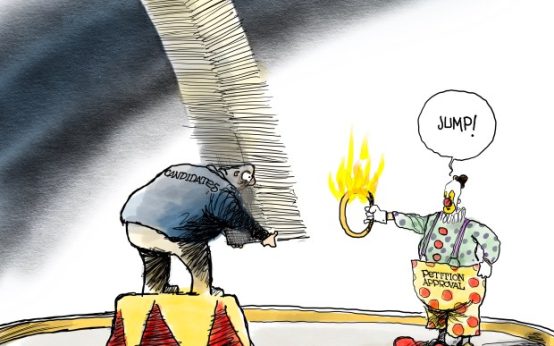 Challenges of Signature Requirements for Political Candidates in Illinois
 Debate Rekindled Over Gray Wolves and Livestock Losses
 White House Faces Backlash Over Controversial Video
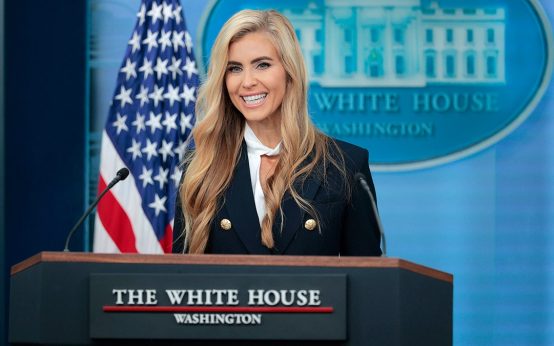 Former Press Secretary Critiques Republican Strategies
 Migration, Politics, Peace Talks, Health Alerts, Legal Settlements, and Fire Conviction News