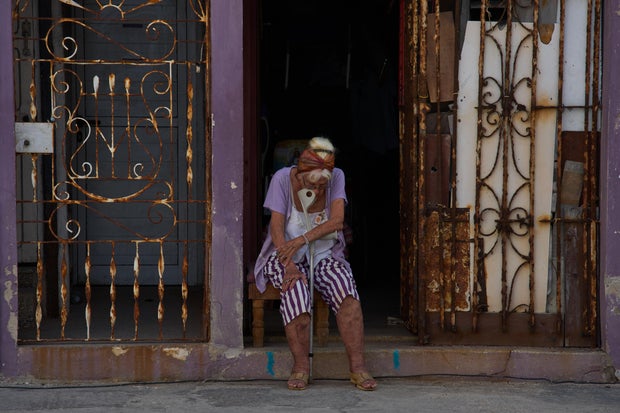
On Friday, Cuba’s power grid collapsed once more, leaving millions without electricity. This marks at least the sixth blackout since January, following the cessation of fuel deliveries to the island by the United States. The Ministry of Energy and Mines announced the outage on its official X account, stating that service-restoration protocols are underway.
No one can stand these constant blackouts. There isn’t enough food, there’s no water, there’s no electricity — you have no idea,
said Mercedes Rodriguez, a Havana worker, as she waited for public transportation. She lamented the dire state of the country.
Cuban authorities pinpointed the failure to transmission lines in the western region. This caused a collapse extending to Matanzas province, leading to disconnection in the eastern parts. The newspaper Granma reported unstable weather conditions as an aggravating factor to the grid’s instability.
By nightfall, power resumed for 5% of Havana’s 862,000 users. Authorities created small power-distribution micro-islands in Camagüey, Pinar del Río, and Granma. Systems for emergency facilities such as hospitals were also being reactivated.
Abilén Marrero, a homemaker in Havana, commented, Maybe it’ll come back this afternoon or tomorrow—there’s no way to know. We just have to wait,
illustrating the uncertainty faced by residents.
Cuba’s power outages have grown more frequent over two years due to an ongoing economic crisis. The situation worsened after the United States implemented an energy blockade in January, aiming to force political change. Trump’s executive order placed tariffs on countries supplying oil to Cuba, severely restricting fuel imports needed for thermoelectric plants.
Only one fuel shipment has arrived since the embargo started, delivered by a Russian tanker in March. The most recent nationwide blackouts happened in early August. These outages join others from July and March, along with several regional disruptions. Even when operational, the power grid experiences outages of over 30 hours, Cuban ambassador to the United Nations, Ernesto Soberón Guzman, described these interruptions as ‘collective punishment’ to CBS News last month.
The blackouts profoundly affect daily life, disrupting transportation, reducing work hours, canceling flights, and impacting public health. Essential activities like cooking and maintaining water supply are also hindered.
The Trump administration has explored military intervention options, but Secretary of State Marco Rubio insists the U.S. prefers diplomatic solutions. Efforts to transition to a new government focused on economic reforms have stalled. President Trump aspires to reshape Cuba similar to the U.S. involvement in Venezuela, where former President Nicolás Maduro was overthrown.
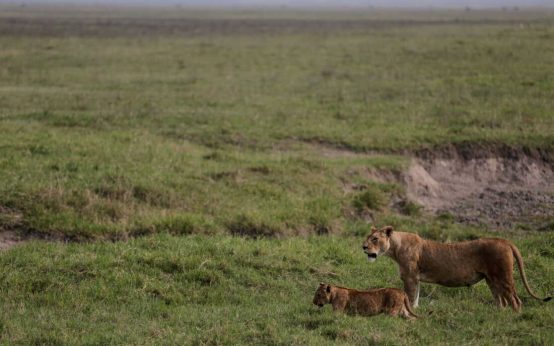 Investigation into Lion Deaths in Tanzania
 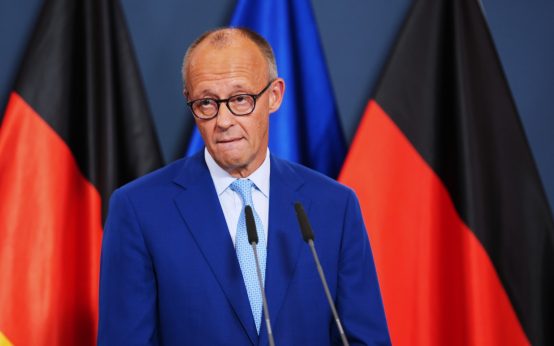 Merz Stays Resolute Amid Electoral Shifts in Germany
 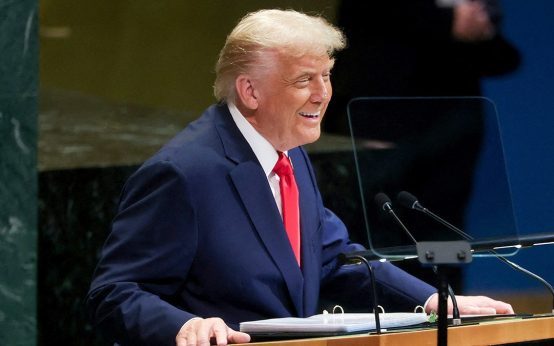 U.S.-Iran Relations and Diplomacy at Upcoming U.N. Assembly
 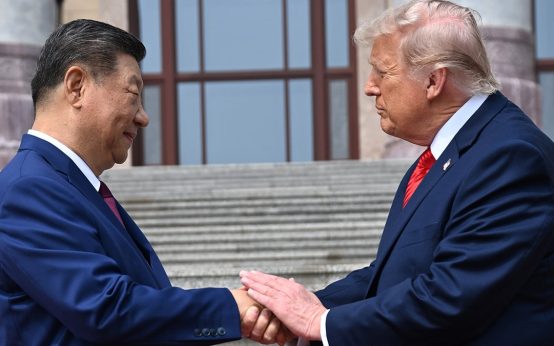 US-China Relations Under Scrutiny: Expert Warns of Escalating Tensions
 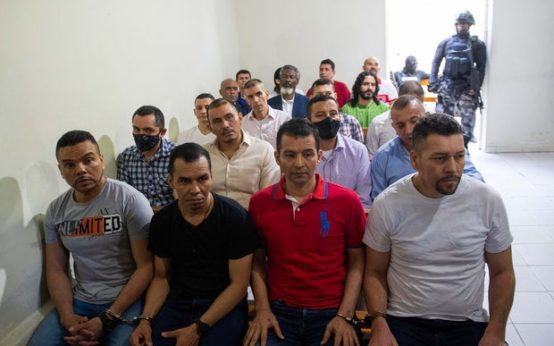 Extradition of Suspects in Haitian President’s Assassination
  No Timeline for End of Iran Conflict