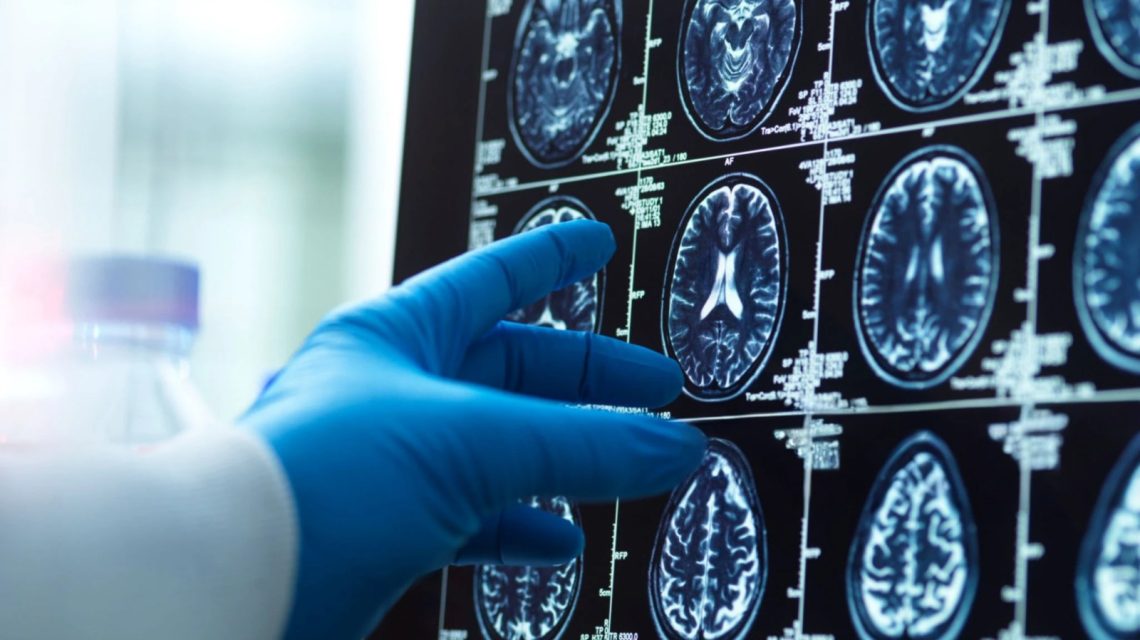
Researchers at Monash University have identified a copper-based drug, Cu(ATSM), that could provide a new approach for treating Alzheimer’s disease. The compound, according to recent laboratory studies, reduces toxic proteins in the brain and improves memory.
Understanding Alzheimer’s and Protein Build-Up
Alzheimer’s disease partly arises from an accumulation of amyloid-beta proteins in the brain. These proteins are usually eliminated through the blood-brain barrier, a layer that regulates substances entering and exiting the brain. However, in Alzheimer’s patients, this barrier’s efficiency diminishes, leading to protein build-up. P-glycoprotein (P-gp) pumps, which are transport proteins, help remove waste from the brain. When these pumps are impaired, the brain’s capability to eliminate toxic material declines.
Study Findings on Cu(ATSM)
The study reveals that Cu(ATSM) could help restore brain waste-removal by enhancing the number and activity of P-gp pumps. Dr. Jae Pyun, the lead author, explained that the treatment improves blood vessel function, decreasing toxic proteins and boosting cognitive performance. According to Dr. Pyun, this marks the first instance of Cu(ATSM) increasing P-gp pumps, linking blood-brain barrier repair to reduced toxic proteins and better cognitive function.
Researchers observed clear effects from restoring this pathway. The treatment led to a 42% reduction in amyloid-beta and nearly a 44% improvement in spatial learning over 56 days. These outcomes imply that addressing blood-brain barrier issues could be essential in addressing Alzheimer’s damage.
Potential for Human Trials
Professor Joseph Nicolazzo, a senior author, noted that Cu(ATSM) might advance to human trials faster than other treatments. The compound has undergone safety testing for neurological conditions like Parkinson’s and ALS. Nicolazzo emphasized the significance of reducing brain amyloid for symptom improvement, suggesting a sound basis for testing Cu(ATSM) in early symptomatic Alzheimer’s cases.
Ongoing Research and Unknowns
While promising, researchers still explore how amyloid-beta exits the brain once the barrier function is restored. One theory posits that Cu(ATSM) might increase microglia activity, the immune cells that break down toxic proteins. Dr. Dayan Goodenowe, a neuroscientist not involved directly with the study, highlighted that targeting the blood-brain barrier and clearance systems holds potential for addressing Alzheimer’s, which is not solely a plaque issue.
Goodenowe suggested the importance of considering the brain’s broader lipid environment in influencing amyloid. The key question is whether the intervention improves human cognition and outcomes. The transition from preclinical to human studies involving safety, dosage, and FDA oversight remains essential.
Implications for Future Treatment
Further studies will delve into these pathways. The current findings underscore the potential of therapies focusing on blood vessel function and protein clearance in the brain. Given the rising dementia rates, researching brain cleaning system repair could play a pivotal role in future Alzheimer’s therapies.
 Medicare Lab Test Payments: Upcoming Changes and Their Implications
  Gen Z Faces Economic Barriers to Dating and Intimacy
  Understanding and Preventing Suicide: A Public Health Priority
  Presley Gerber’s Death Highlights Concerns in Addiction Treatment Approaches
  MAHA Activists Challenge Trump and RFK Jr. on mRNA Vaccines
  Fraud Task Force Saves Billions by Targeting Obamacare Fraud