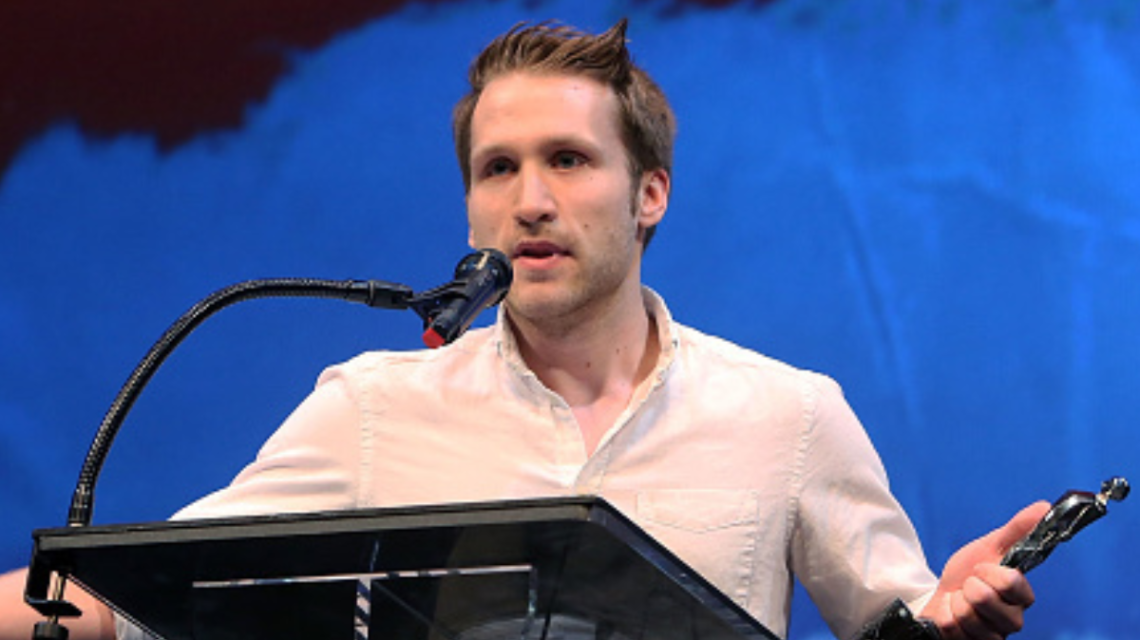
Jesse Ridgway, a YouTuber known as @McJuggerNuggets, has sparked intense debate after he revealed that he and his wife, Ashley, chose to terminate a pregnancy upon learning their child had a high probability of being born with Down syndrome.
The couple cited Trisomy 21, a genetic condition causing physical and cognitive challenges, as the reason for their decision.
Ridgway’s announcement on social media detailed the emotional trauma associated with their choice, particularly for Ashley, who underwent the procedure recently. The post, which has been viewed over 17.5 million times, has reignited contentious discussions surrounding abortion rights concerning disabilities.
Understanding Trisomy 21
Trisomy 21, or Down syndrome, results from an extra copy of chromosome 21 and impacts both physical and cognitive growth. It affects approximately 1 in 700 to 1,000 births globally. Although many individuals with the condition lead fulfilling lives, the severity varies widely.
Ridgway initially felt shocked but hopeful. However, he grew concerned about health risks like heart defects, hearing, and vision problems, and decreased life expectancy. He stated that they received advice from doctors, friends, family, and genetic counselors indicating that up to 90% of women terminate after a Trisomy 21 diagnosis, a statistic higher than they expected. He emphasized their choice came after much deliberation.
Public Reaction
The announcement triggered strong reactions, particularly on X. Conservative voices, such as commentator Matt Walsh and journalist Megan Basham, condemned the decision, with some suggesting it devalues lives with Down syndrome. Anti-abortion activists, including Abby Johnson, criticized Ridgway harshly, while Catholic podcaster Timothy Gordon shared positive experiences with his eighth child who has Trisomy 21.
Ridgway responded to the backlash, expressing shock over the vitriol and personal attacks received, including comparisons to historical figures and threats. He countered criticism by stressing the complexity of their choice and recognizing different paths taken by other families.
Pre-Natal Screening and Ethical Debate
In the U.S., prenatal screening is prevalent. Estimates suggest 25% to 50% of pregnant people undergo non-invasive prenatal testing, which can detect Down syndrome as early as nine weeks. Data often indicate high termination rates, though screening can produce inaccuracies.
Three main perspectives shape the debate over abortion following a Down syndrome diagnosis: pro-choice advocates emphasize the individual’s autonomy in making complex medical choices. Disability rights proponents argue termination may devalue disabled lives, raising concerns about stigma. Pro-life advocates view such abortions as discriminatory.
Legal and Technological Context
Since the Supreme Court’s overturning of Roe v. Wade, abortion laws in the U.S. vary significantly across states. Some permit terminations in cases of fetal anomalies, while others impose stringent bans, including explicit restrictions on Down syndrome-related abortions.
The advancement of prenatal testing technologies also drives debate. Critics highlight potential inaccuracies and concerns over marketing practices. Proponents argue it fosters informed decisions earlier in pregnancies, even as ethical consensus lags behind technological progress.
 MaineHealth Board Votes to Close Maternity Unit at Lincoln Hospital
  My Unexpected Journey Through Cancer
  Life and Lessons Learned After a Rare Cancer Diagnosis
  The Impact of Federal Policy on Drug Overdose Prevention Efforts
  Rising Threat of ‘Flesh-Eating’ Bacteria in Louisiana
  Decertification of Network for Hope: Patient Safety Concerns Prompt Federal Action