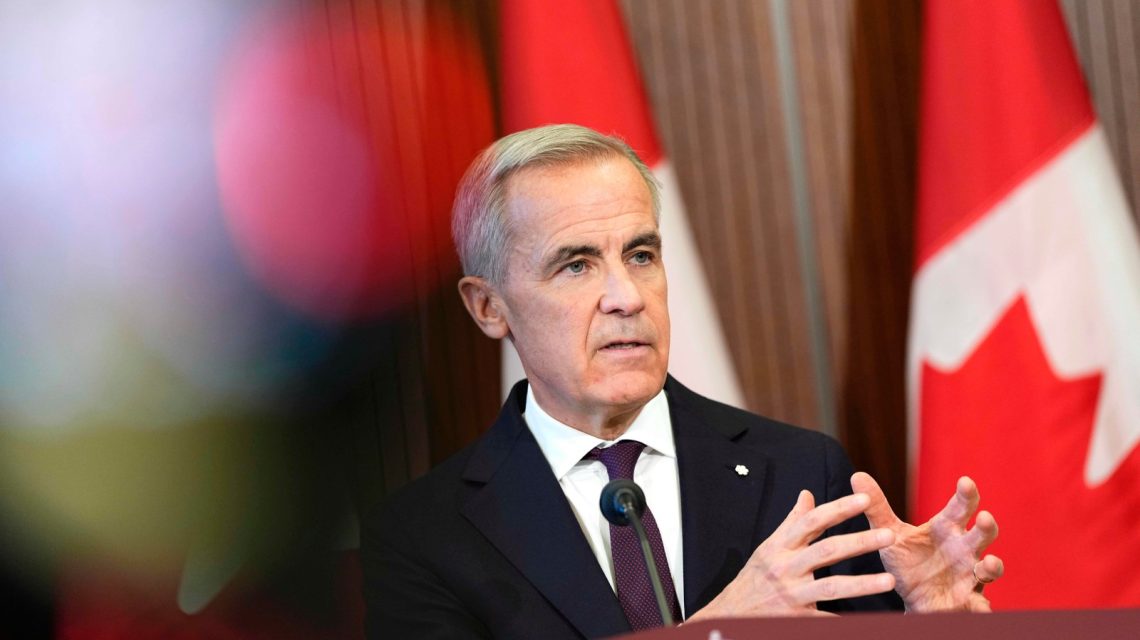
British Columbia Elects Conservative Government
British Columbia has elected a Conservative government after 98 years, marking a significant shift in the political landscape that has implications for Canadian Prime Minister Mark Carney. The New Democratic Party (NDP), known for its left-leaning policies, has been replaced after holding power for nine years. This change follows a snap election called two years earlier than planned by Premier David Eby.
Lorne Doerkson’s Conservative Party took the lead in 64 out of the province’s 93 electoral districts, exceeding the 47 seats required for a majority according to early government reports on Sunday. This result is seen as a challenge to Carney’s center-left Liberal Party, which faces a national election in 2029.
Responses to the Election Outcome
The shift in British Columbia comes amidst tensions tied to U.S. President Donald Trump’s trade policies with Canada. Trump highlighted the Conservative victory on his platform, Truth Social. In response, Carney congratulated Doerkson via a post on X, expressing eagerness to collaborate for the benefit of both British Columbia and Canada.
Doerkson focused his campaign on themes such as affordability, reducing taxes, and boosting energy production. He celebrated the victory as a sign that the province desires a new path forward.
The Snap Election and Its Fallout
Eby initiated the snap election on September 22, citing a need for the NDP to strengthen their position to address Trump’s tariffs effectively. The NDP had secured a narrow victory in the 2024 election, with 47 seats as opposed to the Conservatives’ 44 and the Green Party’s two.
The Conservatives faced internal challenges at the time, with leadership changes and members leaving the party. However, Doerkson, who became the interim leader, successfully mended the divisions. His efforts were crucial in bringing back several former Conservative legislators.
Following the results, Eby resigned as leader of the NDP, acknowledging his role in the loss. He also sent his congratulations to Doerkson.
Implications for Prime Minister Carney
This election result may have broader implications. Carney’s party currently holds 20 of British Columbia’s 43 seats in the House of Commons, compared to the federal Conservatives’ 19. Should the provincial trend reflect a larger national shift, it could pose a risk to Carney’s party retaining power.
The effectiveness of campaigning against Trump’s influence is also in question. While it was a significant component of Eby’s strategy, its limitations have become evident with the NDP’s loss.
Provincial election outcomes do not always predict federal trends. However, a recent Leger poll showed the Liberals leading with 48% support among 1,525 surveyed individuals, compared to 33% for the Conservatives and 8% for the NDP. The poll had a margin of error of +/- 2.5 percentage points.
For further details, contact Newsweek editors Matthew Robinson and Trevor Davies.
 Nicki Minaj Expresses Support for Trump at Michigan Rally
 Political Ads Intensify As Midterms Approach
 Trump’s Influence in Latin America: A Shift Toward Right-Leaning Leadership
 Catholic Bishops Criticize White House Over Meeting Photo
 Ohio Newspaper Endorses Amy Acton for Governor
 Jordan Arrests Suspects in Deadly Church Attack