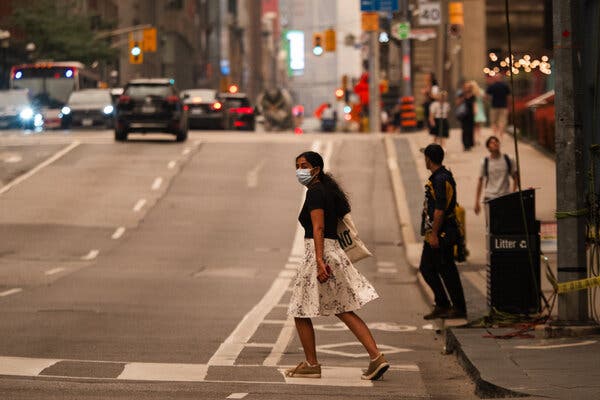
Soaring temperatures are expected to collide with wildfire smoke across parts of the United States, posing serious health risks. As climate change drives global temperatures higher, the days that are both hot and polluted have become more frequent.
Several factors are converging to increase health risks during these sweltering days. Extreme heat can cause dirty air to stagnate, preventing it from dissipating. The rise in wildfire frequency and intensity, driven by climate change, has injected smoke into the atmosphere and reversed the air quality improvements seen in some areas of the United States over decades.
The Trump administration’s rollbacks of environmental regulations have further exacerbated the situation. Weakening emission limits on power plants and vehicles could elevate levels of carbon dioxide, sulfur dioxide, particulate matter, and other pollutants. Additionally, orders requiring several aging coal plants to remain operational past their retirement dates have prolonged pollution from these sources. Last year, coal emissions in the U.S. grew after years of reduction.
Experts warn that while heat itself worsens air pollution, the combined effect of high temperatures and polluted air presents significant public health challenges.
 Measles Exposure in Philadelphia Raises Health Concerns
  Lawsuits Claim Vision Loss Risk from GLP-1 Medications
  States Tighten Regulations on Tianeptine, Known as ‘Gas Station Heroin’
  Medicare Lab Test Payments: Upcoming Changes and Their Implications
  Gen Z Faces Economic Barriers to Dating and Intimacy
  Understanding and Preventing Suicide: A Public Health Priority