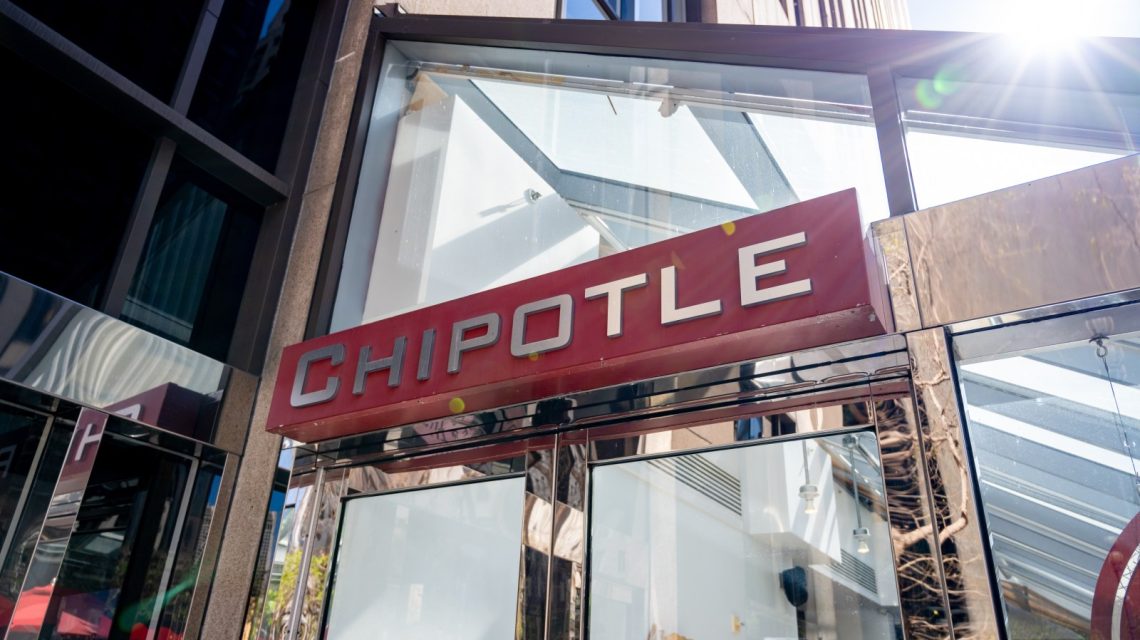
Chipotle’s Entry into Mexico
Chipotle Mexican Grill is launching its first restaurant in Mexico, introducing a U.S.-inspired version of Mexican fast-casual dining in the country whose cuisine has shaped the brand’s offerings. The debut location will open this Thursday in San Pedro Garza García, Nuevo León, a part of the Monterrey metropolitan area. This initiative is a collaboration with Alsea, a significant restaurant operator managing brands like Starbucks, Domino’s Pizza, Burger King, and Chili’s. Chipotle’s new restaurant will offer its standard array of customizable burritos, bowls, salads, tacos, and quesadillas.
Strategic Partnership and Expansion Plans
The opening is a milestone under a development agreement between Chipotle and Alsea announced in April 2025. The companies aim to open additional locations in Nuevo León later in the year, with plans to expand into Mexico City by 2027. Monterrey was selected as the starting point due to its robust economy, growing population, and reputation as a leading business and innovation hub in Mexico.
Executive Insights
Scott Boatwright, Chipotle’s CEO, highlighted the company’s respectful approach to Mexico’s culinary traditions. Nate Lawton, Chief Business Development Officer, emphasized the restaurant’s role as a critical proof-of-concept for understanding local consumer preferences. Their remarks reflect caution given Taco Bell’s previous struggles to establish a foothold in Mexico with its version of Mexican-inspired fast food.
Taco Bell’s Mexican Market Challenges
“Why Taco Bell Couldn’t Crack Mexico”
Food Republic reported on Taco Bell’s attempts in the early 1990s to enter the Mexican market with a food cart in Mexico City, selling soft-shell tacos, burritos, and Pepsi. Despite expansion, Taco Bell faced two significant hurdles: pricing and familiarity. The brand’s offerings were more expensive than local vendors, and items like hard-shell tacos were unfamiliar to Mexican consumers. Efforts to adapt, such as renaming the hard-shell taco “Tacostada,” were unsuccessful, leading to closures by 1994. In 2007, Taco Bell tried again by positioning itself as an American chain but failed once more. No locations have opened since 2007.
According to food service consultant Peter Backman, Taco Bell’s failure stemmed from competing directly with established taquerias and using a U.S-centric business model without local expertise. In contrast, Chipotle aims to capitalize on ingredients familiar to Mexican customers through a fast-casual dining model, avoiding direct comparison with traditional taquerias by partnering with Alsea for regional expertise.
Chipotle’s International Growth Strategy
Chipotle’s venture in Mexico is part of a broader international expansion strategy. Alshaya Group has opened 15 Chipotle restaurants in locations such as the United Arab Emirates, Kuwait, and Qatar following a 2023 agreement. A joint venture with SPC Group is paving the way into Asia with scheduled openings in South Korea later this year and Singapore next year. Chipotle’s global presence includes over 80 locations in Canada, as well as establishments in the U.K., France, and Germany. Overall, Chipotle operates more than 4,100 restaurants worldwide and plans to open 350 to 370 new locations by 2026.