The National Highway Traffic Safety Administration (NHTSA) has raised concerns about the safety of robotaxis. These autonomous vehicles have reportedly interfered with emergency scenes, potentially endangering public safety. NHTSA emphasizes that any autonomous vehicle unable to cooperate with emergency responders presents a risk to safety. Meetings with robotaxi developers are planned for this month to address these issues.
Increase in E-Bike Incidents
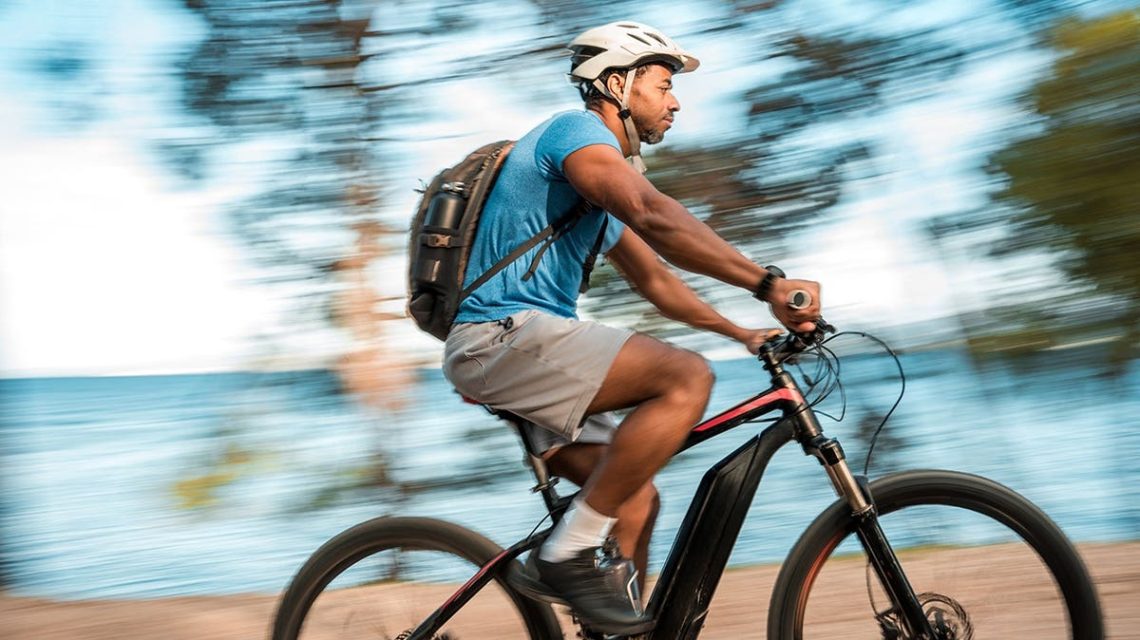
In the Detroit, Michigan metro area, there has been an increase in incidents involving electric bikes (e-bikes). Fox 2 Detroit notes a rise in e-bike crashes, with doctors treating more related injuries. These developments have prompted discussions in some communities regarding potential restrictions on e-bikes.
Dr. Robert Sherwin, an emergency room doctor at the Detroit Medical Center, witnessed a range of injuries from e-bike incidents, from minor to severe trauma. He highlighted that some Class 3 e-bikes, which can travel up to 28 miles per hour, may be more akin to motor vehicles, and riders might not be prepared for their speed and weight.
John Hughes, a local bike shop owner, pointed out that sharing the road with cars remains a significant issue. He noted that many drivers do not respect bikes as viable transportation modes, which increases danger, especially with the rise of distracted driving.
Cam Cason, an e-bike rider, shared that he relies on his e-bike for commuting, finding it a cost-effective alternative to cars.
Regulatory and Safety Measures
Concerns over e-bike safety have led states to introduce stricter regulations. In New Jersey, new laws require e-bikes to be registered, with riders needing to be at least 15 years old and hold a valid driver’s or e-bike license. These measures aim to encourage responsible riding and minimize injuries.
A NYU Langone Health advisory in April detailed a spike in brain and spine injuries tied to e-bikes and scooters in New York City. The journal Neurosurgery reported that electric and pedal-powered bike and scooter incidents accounted for nearly 7% of trauma cases at NYC Health + Hospitals/Bellevue, with trauma cases rising from under 10% in 2018 to over 50% by 2023.
About one-third of patients with bike-related injuries sustained traumatic brain injuries, with two-thirds requiring hospitalization and nearly 30% needing intensive care. Collisions with cars or trucks were the most frequent cause of these injuries. Helmet usage was below one-third among riders, which correlated with increased brain and facial injuries. Alcohol use, noted in 20% of cases, was linked to more severe injuries and less helmet usage.
An analysis of 69 pedestrian cases revealed that pedestrians struck by e-bikes and scooters suffered brain injuries almost twice as often as riders. Dr. Hannah Weiss of NYU Grossman School of Medicine emphasized the serious nature of these injuries and the need for neurosurgical care. She urged for increased helmet usage, improved bike lane designs, and stricter enforcement to protect riders and pedestrians.
Dr. Paul P. Huang from NYU Grossman School of Medicine highlighted the necessity for urban infrastructure improvements to accommodate the growing use of e-bikes and scooters. Future studies should monitor these injuries in various cities and assess the effectiveness of safety measures like protected bike lanes and helmet programs.
 Understanding School Shooting Preparedness Drills
  The War on Poverty: A Lesson on Intentions and Outcomes
  Florida Reports First Dengue Fever Death as Outbreak Expands
  Federal Relief Funds Used for Anti-Racism Training in Albuquerque Schools
  Florida Man Claims ‘Lion Diet’ Transformed Health and Life
  Concerns Over Food Safety and Its Impact on Families