During the recent state visit by Chinese President Xi Jinping to the United States, trade tensions eased temporarily with a two-month extension of a truce set to expire on January 10. President Xi’s visit to Washington, his first in over a decade, included a ceremonial welcome, troop reviews, and discussions on issues like artificial intelligence. However, the meeting skirted around China’s ongoing military build-up and its economic implications.
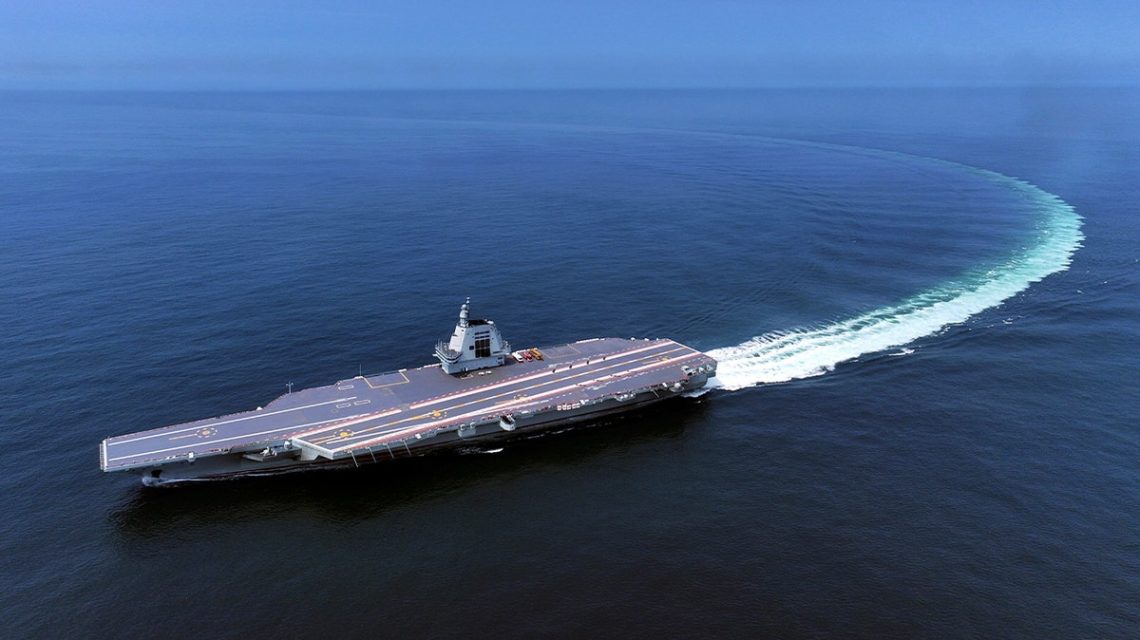
In the backdrop of this diplomatic pleasantry, China has continued its significant naval expansion, launching warships rapidly. Although building a navy is no longer daunting for China, the challenge now lies in maintaining it. After 2031, the financial strain of operations and maintenance for this fleet will surpass initial construction costs.
“The problem is not building a navy; it’s sustaining it.”
These costs could take a toll on China’s fiscal system, which is already under pressure. Many of China’s provincial governments are struggling, with revenues covering less than half of required spending. The decline in land sales, a significant income source, exacerbates this issue as interest obligations rise against poor cash flow. Despite measures like issuing bonds, Beijing faces an economic bottleneck reminiscent of historical precedents like pre-WWII Germany.
Rare-earth minerals, crucial for military technology, are part of the strategic landscape. China’s dominance in this area is a critical pressure point. This rare-earth squeeze aimed to stifle Western military build-up while advancing Chinese military capabilities. However, this strategy prompted the United States to rapidly reassess supply chains, reducing dependency on Chinese resources by 2031.
President Xi’s call for quiet diplomacy on Taiwan yielded no significant concessions from the U.S. His visit secured only a short truce extension and photographs, rather than substantial policy shifts. China’s Communist Party has centralized power, revitalized its military with a vast modern fleet, yet faces mounting costs in the near future.
Strength and preparedness remain vital for maintaining deterrence. As time becomes a crucial factor, the next five years are pivotal, with America focusing on ensuring robust defense capabilities.
 The Canadian Army’s Readiness for Modern Warfare
  Declassified Records Reveal FBI Surveillance of Trump Family Travel
  Russia Criticizes Potential U.S. Military Base and Nuclear Plan in Lithuania
  President Trump Criticizes Media Coverage of Ohio Rally
  Trump Comments on Gas Prices Amid Global Conflicts
  Early Republican Primary Tensions Highlight 2028 Politics