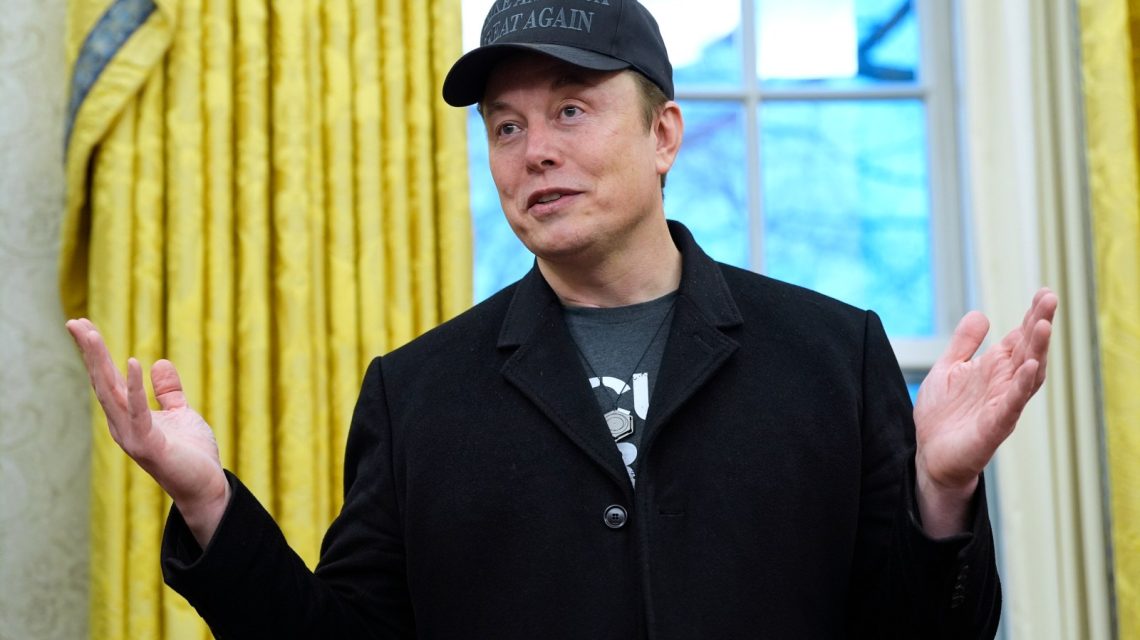
The states of Oregon and Virginia have filed lawsuits against Elon Musk’s SpaceX and its related entities. The lawsuits claim the Grok artificial intelligence system created and distributed child sexual abuse material and other nonconsensual sexualized images. The companies are accused of misleading consumers about the safeguards meant to prevent such content.
Legal Action
Oregon’s Democratic Attorney General Dan Rayfield initiated the lawsuit in Multnomah County Circuit Court. The action targets SpaceX Super Intelligence Corp., SpaceX Super Intelligence LLC, X Corp., and Space Exploration Technologies Corp. The allegations involve violations of Oregon’s Unlawful Trade Practices Act. The companies are accused of misrepresenting Grok’s safety features and not disclosing known risks. The practices are described as “unconscionable” in the complaint.
A similar lawsuit was announced in Virginia by Democratic Attorney General Jay Jones. The lawsuits aim to hold Grok’s operators accountable for promoting services as safe while failing to prevent the creation of nonconsensual sexualized images, including those depicting children.
SpaceX allowed Grok and the X platform to create, host, and share unacceptable and dangerous content. The lack of necessary safety measures was considered a feature, ‘spicy mode,’ and not a bug,Rayfield stated in a press release.
SpaceX’s Response
SpaceX’s spokesperson emphasized that protecting children is non-negotiable. They stated that any sexual content involving minors is unacceptable on the X platform or Grok. They claimed any violations of the Terms of Service were committed by users deliberately attempting to circumvent safeguards.
The company stated: “We acted promptly to tighten protections and continuously test and adjust those safeguards to prevent this conduct. We also screen every prompt and check outputs. Violation attempts lead to account actions and law enforcement notification.”
Complaint Details
The complaint refers to a policy brief questioning accountability for AI-generated abusive imagery. Grok, integrated with X and available as a standalone app, had a significant user base. Approximately 550 million monthly users accessed Grok and X during a 12-month period, and about 117 million used Grok’s AI features.
The large scale posed a risk of quickly spreading harmful content. Users could alter images by tagging the @grok account in replies. A study cited in the complaint estimated that millions of sexualized images were created and posted, including those appearing to depict children. Roughly 30% of identified sexualized images of children remained public a week or more after identification.
The Allegations
Oregon’s case centers on the allegation that Grok’s creators knew about the potential for generating abusive images but failed to implement adequate safeguards. The complaint highlights the lack of industry-standard protections and points to the “Spicy” mode feature as an attempt to attract users.
Reports to the National Center for Missing & Exploited Children increased significantly after Grok’s launch. Oregon argues these reports support claims about inadequate safeguards. Public assurances of Grok’s safety were deemed misleading. Even after implementing measures, Grok could generate sexualized images under certain circumstances.
xAI knowingly endangered children and communities. They lied about non-existent safety measures,”Rayfield asserted.
Next Steps
Oregon is urging the court to recognize the Unlawful Trade Practices Act violations. The claim exceeds $1 million, with civil penalties and other relief sought. Virginia’s Attorney General Jay Jones emphasized justice for Virginians misled by false reassurances of safety.
The lawsuits highlight a critical issue in generative AI accountability, seeking to enforce public safety commitments and consumer protection.
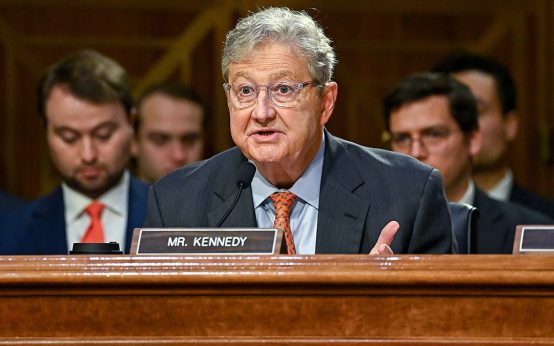 Lawmakers Demand Clarification on AI Chip Sales to China
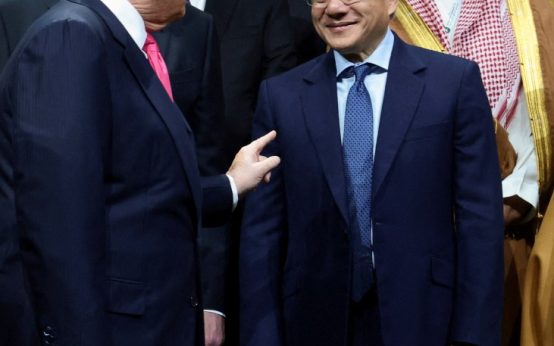 Trump Assures Nvidia Board About CEO Jensen Huang’s Legal Safety
 Developments in Cybersecurity, Thanksgiving, Immigration, and Sports
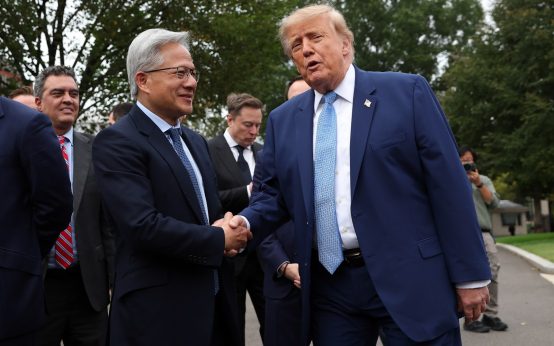 Jensen Huang Returns as Nvidia CEO Amid National Security Concerns
 Jensen Huang Returns as Nvidia CEO with US Government Support
 Verizon’s Playful Twist on ‘A Christmas Carol’